Exemplar · full creditAmerica's Most Hated · a model presentation
Fritz Von Erich
The Nazi villain who was really from Texas
This is what a finished presentation looks like, built on a heel who is not on the class card. Read each slide, then read what the presenter says out loud. Turn on the grading marks to see exactly where the points come from.
3slides
2:37spoken
2outside sources
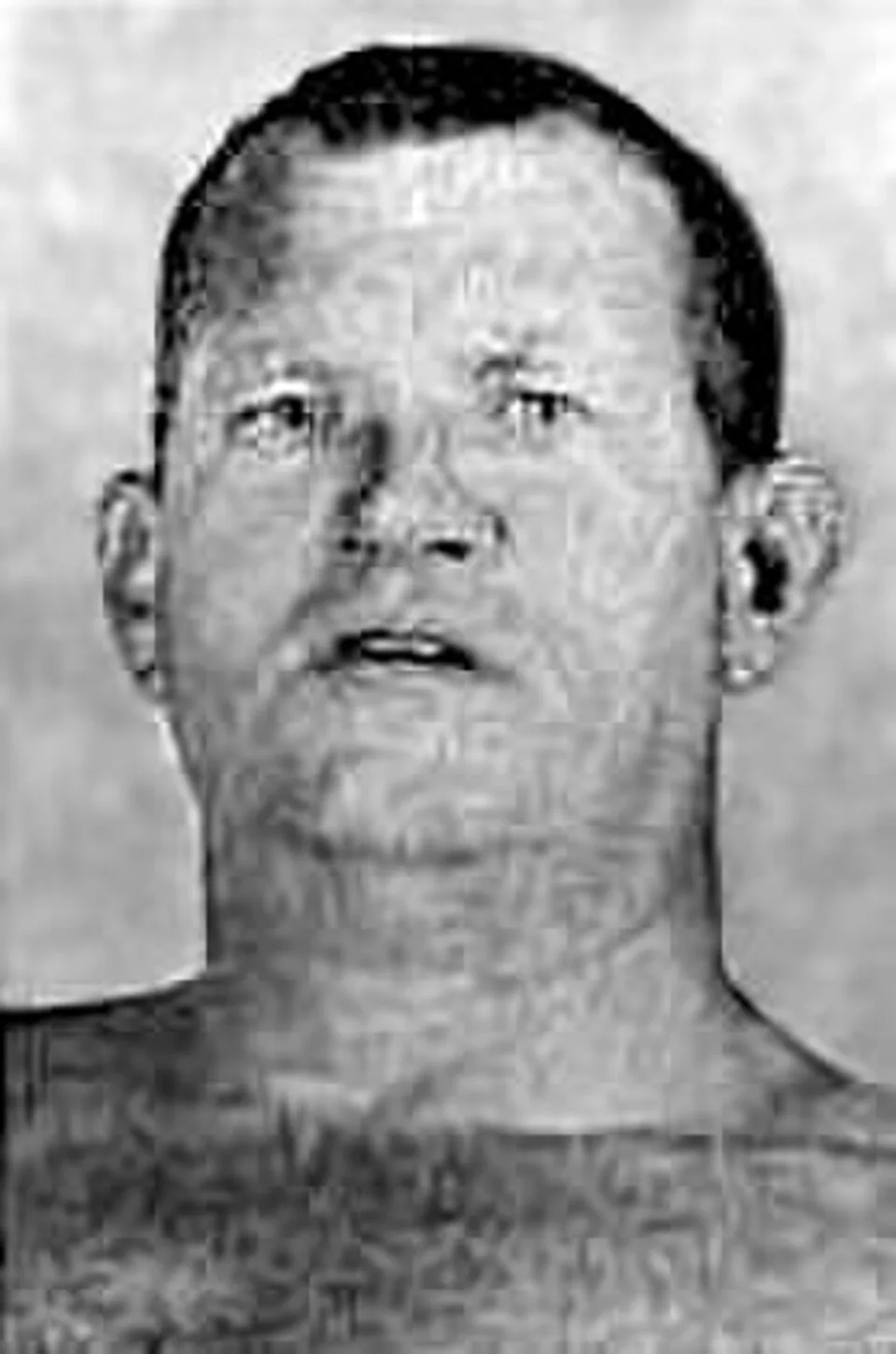
Fritz Von Erich in a 1973 wrestling program. Born Jack Adkisson in Jewett, Texas, in 1929. Wikimedia Commons.
Look at the slide the way the class would see it on the board.
Read the script below it. That is what the presenter says while the slide is up.
Press "Show the grading marks" at the top to see each rubric point in red pencil.
Slide 1 of 3
Who and When
America's Most Hated · Questions 1 and 2
Fritz Von Erich
The Nazi villain who was really from Texas
Tale of the tape
Ring name
Fritz Von Erich
Real name
Jack Adkisson
Billed from
Munich, Germany
Actually from
Jewett, Texas
Years as a heel
1953 to 1966
The gimmick
A Nazi villain who crushed skulls with a hold called the Iron Claw
What was happening in the worldWorld War II had ended in 1945, only eight years before Fritz first wrestled as a German. About 405,000 Americans died in that war, and many of the men buying wrestling tickets had fought Germany themselves.
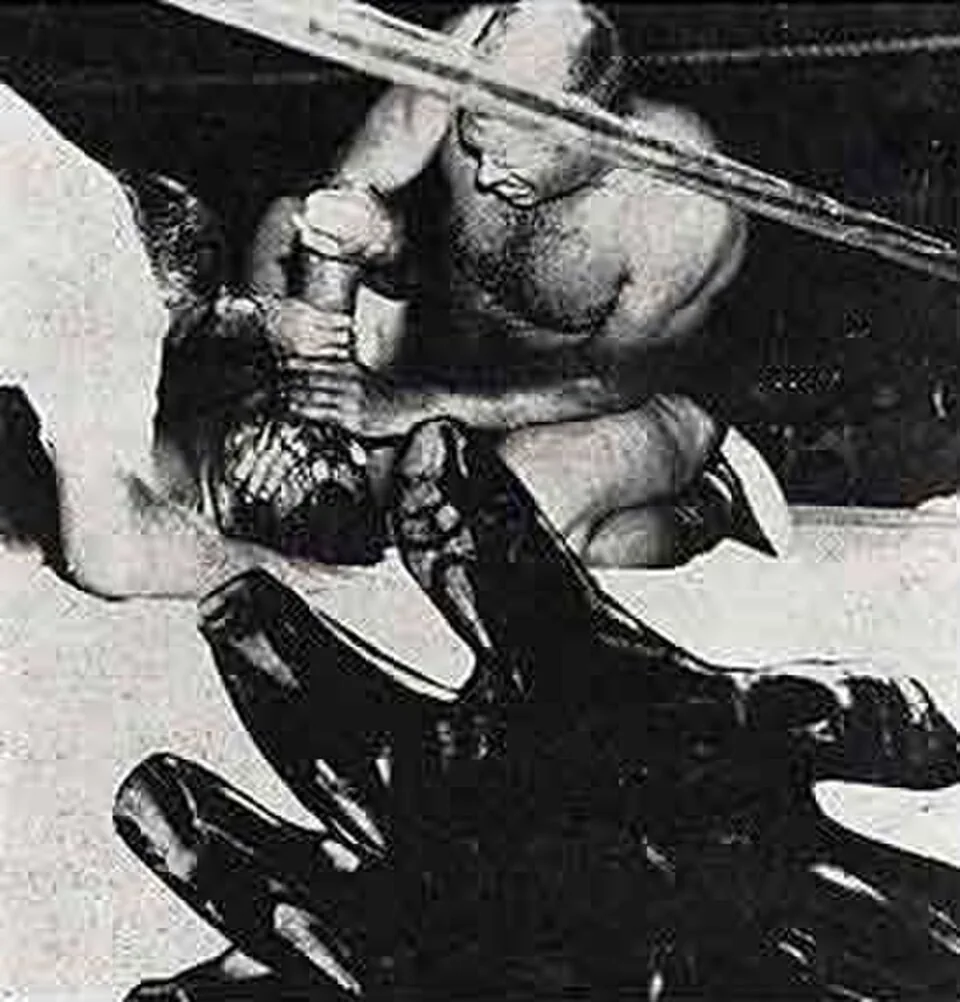
Fritz applies the Iron Claw, 1977. Wikimedia Commons.
Q1 · 10 of 10Ring name, real name, real hometown, years and the gimmick, all on one slide.
Q2 · 15 of 15Dates plus a hard number: 1945, eight years, about 405,000 deaths.
Visual evidence · 5 of 5A period photo that shows the gimmick, with a credit.
What the presenter says
My heel is Fritz Von Erich. His real name was Jack Adkisson, and he was not German at all. He was born in 1929 in Jewett, Texas, and he played college football at SMU. Around 1953 he started wrestling as Fritz Von Erich, a German giant billed from Munich. His finishing hold was the Iron Claw, where he grabbed an opponent's head and squeezed.
To understand why that worked, you have to remember the timing. World War II ended in 1945. About 405,000 Americans died fighting it, and a lot of the men in the crowd in the 1950s had fought Germany in person. Eight years later, here was a wrestler on their TV playing a Nazi.
The number behind the boos
About 405,000 American deaths in World War II
Each square is 10,000 Americans killed. A crowd in 1953 could name someone inside these squares.
Source: U.S. Department of Veterans Affairs figure of about 405,000 American military deaths.
Adkisson took his mother's maiden name, Erich, and added "Von" so it sounded like German nobility.
The partner
A fake brother named Waldo Von Erich, played by Walter Sieber, the Canadian son of a German immigrant. Waldo goose stepped around the ring.
The act
Fritz gave the Nazi salute before his matches and finished opponents with the Iron Claw.
Why the crowd hated himFor people who had lived through the war, a Nazi was the clearest villain they knew. Every time an American wrestler beat Fritz, the crowd got to see Germany lose again.
Primary sourceI make a much better heel than babyface.
Jack Adkisson, in a September 1953 letter to Dallas promoter Ed McLemore. In the same letter he explained that he had been wrestling in New England as a German giant billed from Munich. Jack Pfefer Wrestling Collection, University of Notre Dame.
Q3 · 15 of 15Three specific details: the invented name, the fake brother, the salute and the hold.
Q4 · 15 of 15The boos are tied to 1953, to people who lived through the war, not to wrestling in general.
Extra strengthA primary source in his own words proves the German act was a business choice.
What the presenter says
Promoters built every part of this character around the war. The name came from his mother's maiden name, Erich, with Von added to sound like German nobility. They gave him a fake brother, Waldo Von Erich, who was really Walter Sieber, the Canadian son of a German immigrant. Fritz gave the Nazi salute, and Waldo goose stepped.
My favorite source is a letter Adkisson wrote to a Dallas promoter in September 1953. In it he says, I make a much better heel than babyface. That letter is in the Jack Pfefer collection at Notre Dame, so we know the German act was a choice he made for money.
Crowds hated him because a Nazi was the one villain everybody agreed on. When an American beat Fritz, the whole arena got to watch Germany lose one more time.
Slide 3 of 3
What Fritz Tells Us
Question 5
What Fritz Tells Us About America
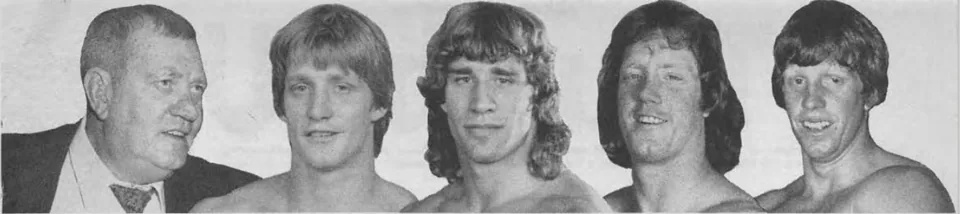
Fritz with four of his sons, the heroes of Texas wrestling in the 1980s. Wikimedia Commons.
My answerTwenty years after the war, American crowds still saw Germany as the enemy, and promoters made money off that anger. The act was unfair to ordinary Germans. It ended once Adkisson needed his own hometown to cheer for him.
The twistIn 1966 Adkisson bought the Dallas wrestling office and made himself a good guy. His sons became the biggest heroes in Texas, a story told in the 2023 film The Iron Claw.
Sources"Fritz von Erich, The Iron Claw, and the Jack Pfefer Wrestling Collection." Rare Books and Special Collections, University of Notre Dame, 2023.
"How the real family at the center of the new film The Iron Claw made wrestling history." The Ringer, December 22, 2023.
Q5 · 15 of 15Names the prejudice, takes a side on fairness and backs it with the 1966 switch.
Sources · 10 of 10Two credible sources, and neither one comes from WWE.
What the presenter says
Here is the twist. In 1966 Adkisson bought the Dallas wrestling office and turned himself into a good guy. His sons became the biggest heroes in Texas, and their story is the 2023 movie The Iron Claw. The man did not change. The Nazi act stopped making sense once the war was twenty years old and he needed Dallas to cheer for him.
So what does Fritz tell us about America? Two decades after the war, crowds still saw Germans as the enemy, and promoters made money off that anger. I think the act was unfair to ordinary Germans, but it worked because the war had made Nazis the villain everybody understood. My sources are the Notre Dame special collections article about his 1953 letter and a 2023 article in The Ringer, and neither one comes from WWE.
The math of memory
How long the war stayed useful
Fritz first wrestled as a German 8 years after the war. He dropped the act 21 years after it.
 Archive · 4:37
Play The War Ends in Europe, from the US National Archives, 4 minutes 37 seconds