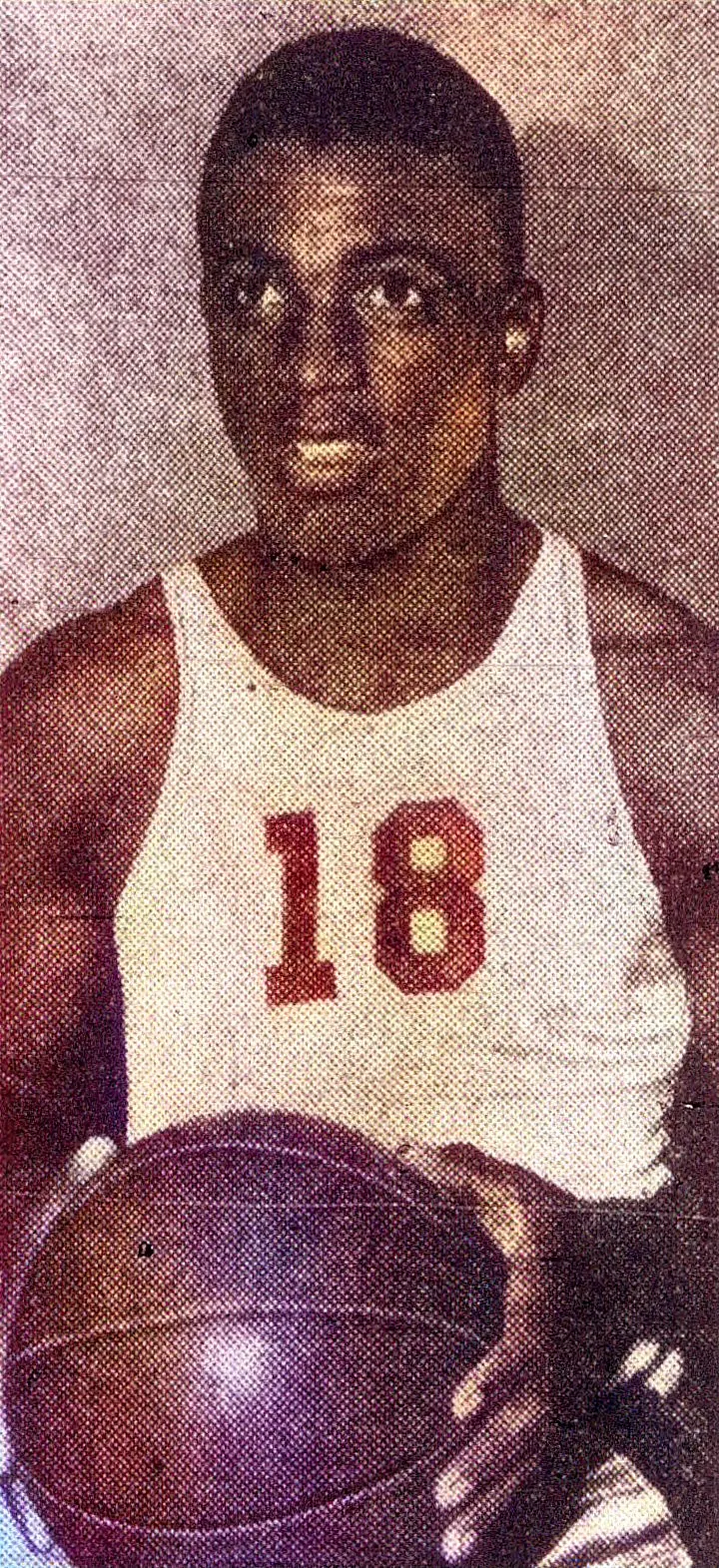
Jack Roosevelt Robinson was born on January 31, 1919, in Cairo, Georgia, the youngest of five children of sharecroppers. When his father left in 1920, his mother Mallie took all five children by train to Pasadena, California, and worked as a housekeeper. The Robinsons were one of the few Black families on their street, and white neighbors tried to push them out. The city pool let Black residents swim one day a week, the day before it was drained and cleaned.
His older brother Mack ran in the 1936 Olympics in Berlin and won silver in the 200 meters, just behind Jesse Owens. Mack came home to Pasadena and swept streets for the city. Jackie was 17. He learned early that being great at a sport did not protect a Black man once he walked off the field.
Four sports. Pick his best.
Robinson became UCLA's first athlete to earn varsity letters in four sports. One of them would make him famous. Before you see his record, tap the sport you think he was best at in college.
WHY RICKEY CARED ABOUT MORE THAN BASEBALL
Think about the first kid to do anything big at your school, the first one to try out for a team nobody like them had ever made. Everyone's watching, and some of them want you to fail. If you mess up, they won't say you messed up. They'll say people like you can't do it.
That's the job Branch Rickey was hiring for. He needed someone who could hit, sure. He also needed someone who'd already lived inside white institutions, who could handle reporters, who didn't drink, who had a steady relationship, and who could take insults without breaking. Here's where the school comparison falls short. A kid at school can go home. Robinson would face it in every city, in front of thousands of people, for years, while millions of Americans used his every move to decide whether integration should happen at all.
The bus.
Robinson was drafted in 1942. The Army stalled Black applicants for officer school until heavyweight champion Joe Louis, stationed at the same base, used his fame to push. Robinson was commissioned a second lieutenant in January 1943 and assigned to the 761st Tank Battalion.
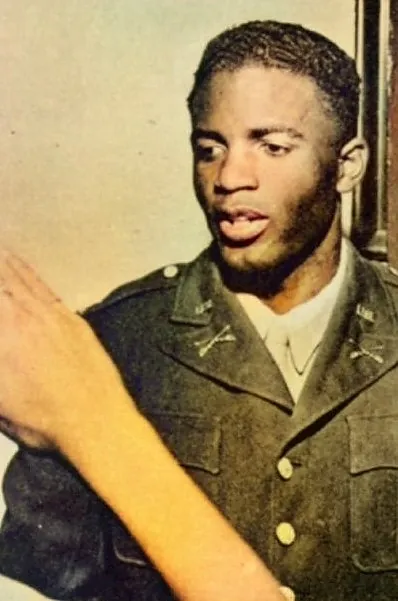
On July 6, 1944, he sat in the middle of an Army bus next to the wife of a fellow officer. The driver ordered him to the back. Robinson refused, because the Army had recently ordered that buses on its posts be desegregated, and he knew it. Military police were called. When his own battalion commander refused to sign court martial papers, Robinson was transferred to a unit whose commander would. Step through what happened to the charges.
Six charges are filed against Lieutenant Robinson.
One season, one tryout.
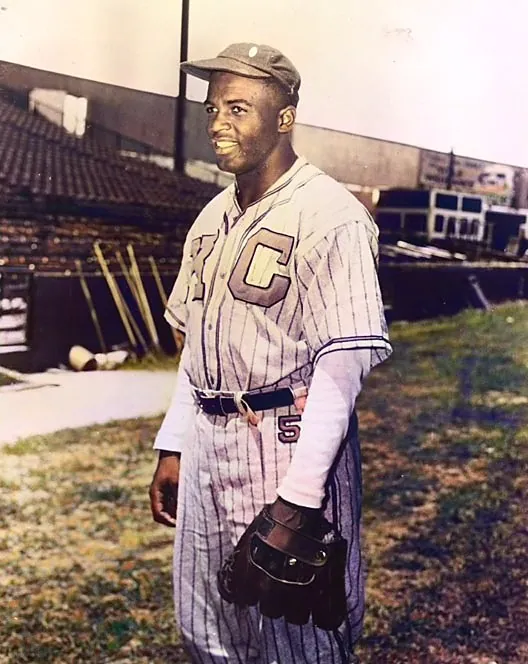
After his honorable discharge in November 1944, Robinson signed with the Kansas City Monarchs of the Negro American League for 400 dollars a month. He hated the endless bus rides and the restaurants and hotels that turned the team away.
On April 16, 1945, he worked out at Fenway Park for the Boston Red Sox with Sam Jethroe and Marvin Williams. Wendell Smith of the Pittsburgh Courier, a leading Black newspaper, had forced the tryout with help from a Boston city councilman who threatened the team's permit for Sunday games. All three played well. The Red Sox never called any of them. How long do you think it took for every major league team to put a Black player on the field? Make your guess, then reveal.
August 28, 1945. A three hour meeting in Brooklyn, and a promise that lasted three years.
- Jackie Robinson, I Never Had It Made, as told to Alfred Duckett, Putnam, 1972.
- Arnold Rampersad, Jackie Robinson: A Biography, Knopf, 1997.
- National Park Service, Jackie Robinson biography. Court martial charges and outcome, 1945 Monarchs salary.
- Integration dates by team from team histories and the Society for American Baseball Research.
- Photographs: Robinson at UCLA, in Army uniform, and with the Kansas City Monarchs / 761st Tank Battalion insignia. Public domain via Wikimedia Commons. Colorized for this lesson with the DDColor model.