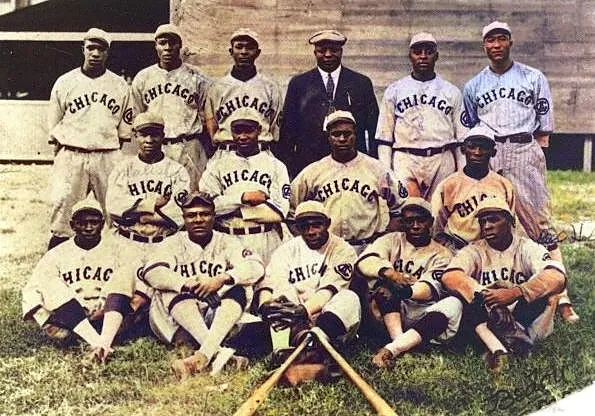
In 1920 Andrew Rube Foster, a former star pitcher who owned the Chicago American Giants, gathered team owners at the Paseo YMCA in Kansas City and founded the Negro National League. His motto was: We are the ship, all else the sea. He wanted Black baseball owned and run by Black businessmen, so that Black players and fans would not depend on white promoters. The leagues employed players, umpires, bus drivers, ticket sellers and sportswriters in Black neighborhoods across the country.
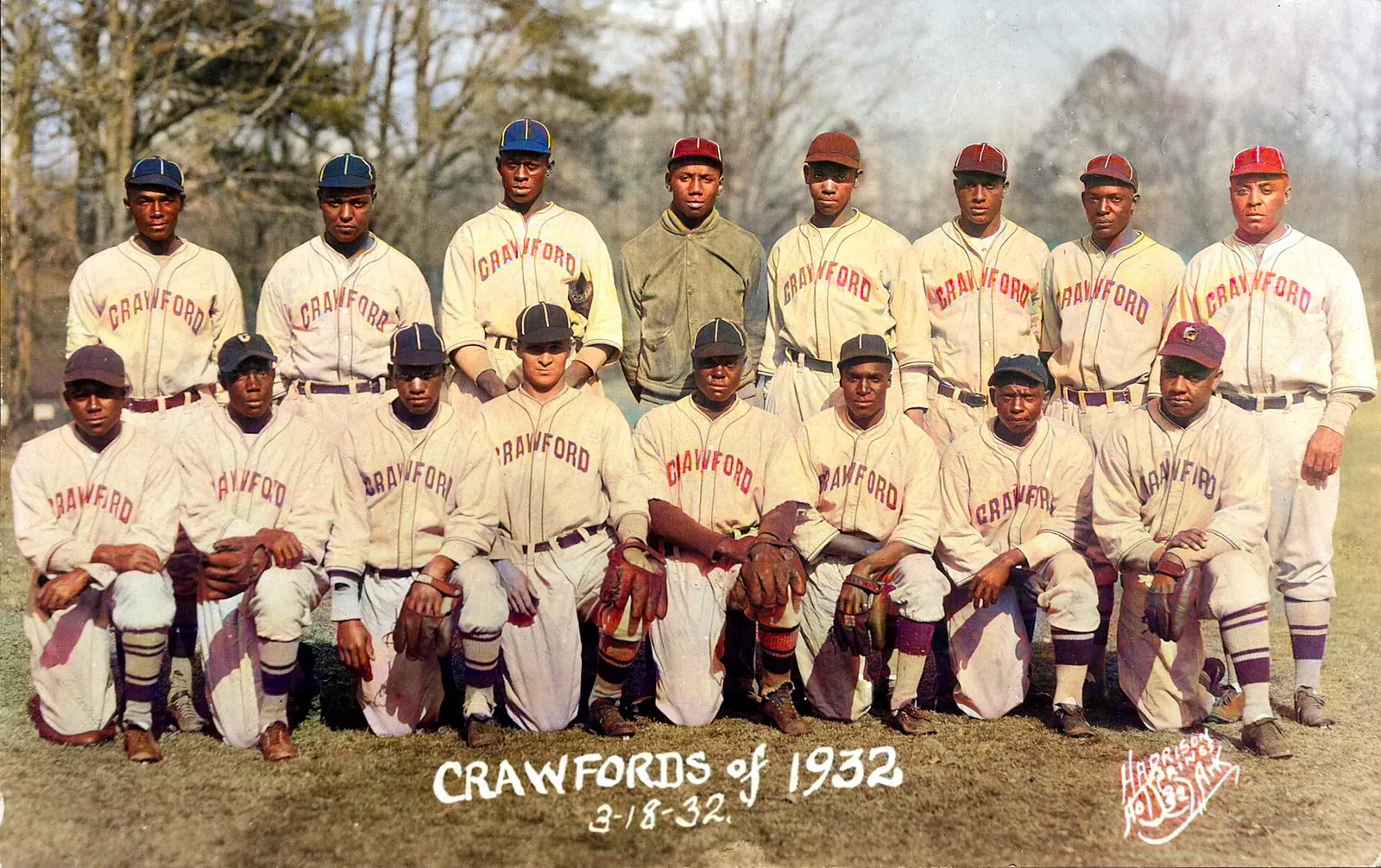 Gus Greenlee
Built Greenlee Field in Pittsburgh in 1932, one of the few ballparks owned by a Black team owner, and filled his Crawfords with Satchel Paige and Josh Gibson.
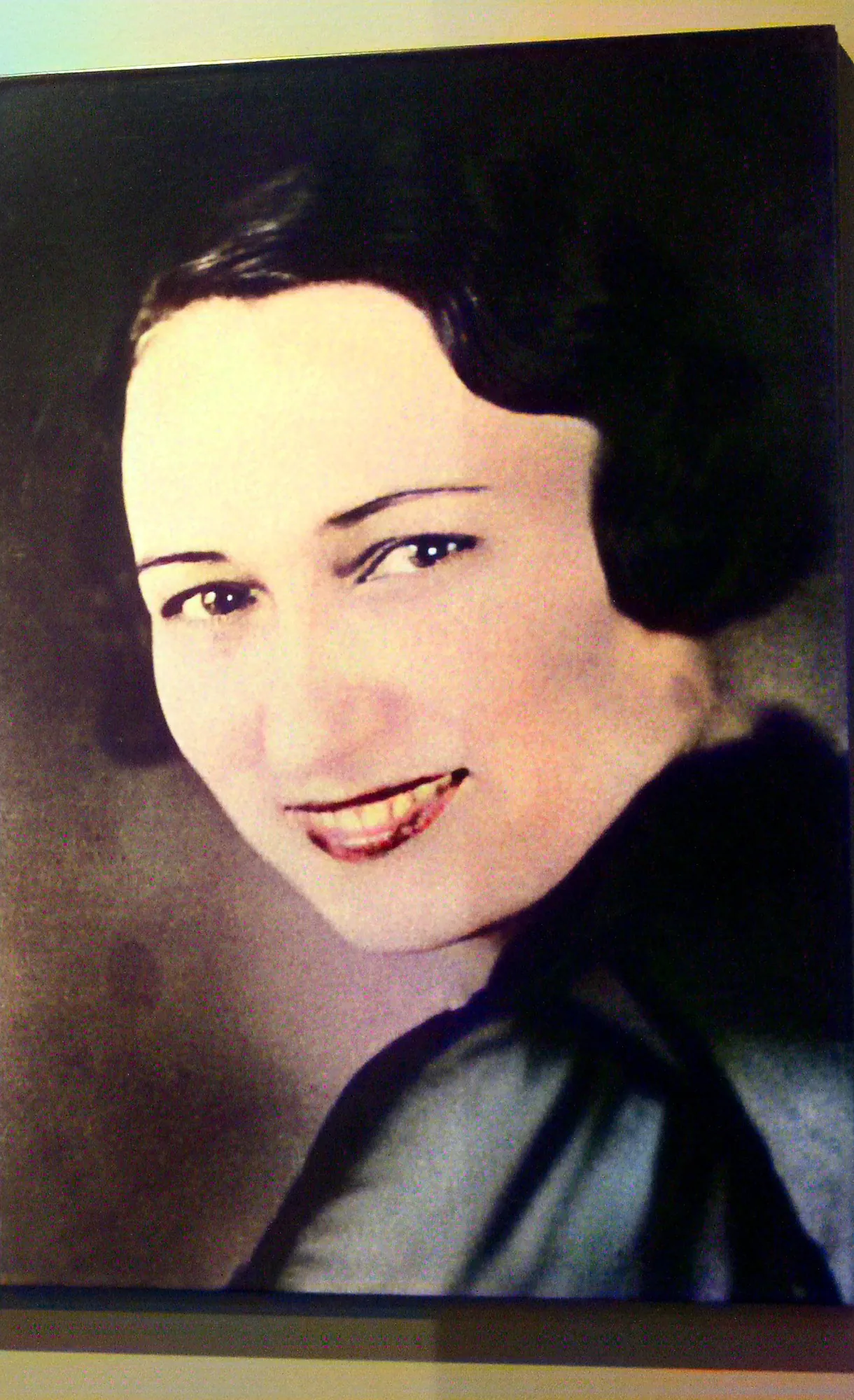 Effa Manley
Ran the business side of the Newark Eagles and used the team to raise money for civil rights causes. In 2006 she became the first woman elected to the Baseball Hall of Fame.
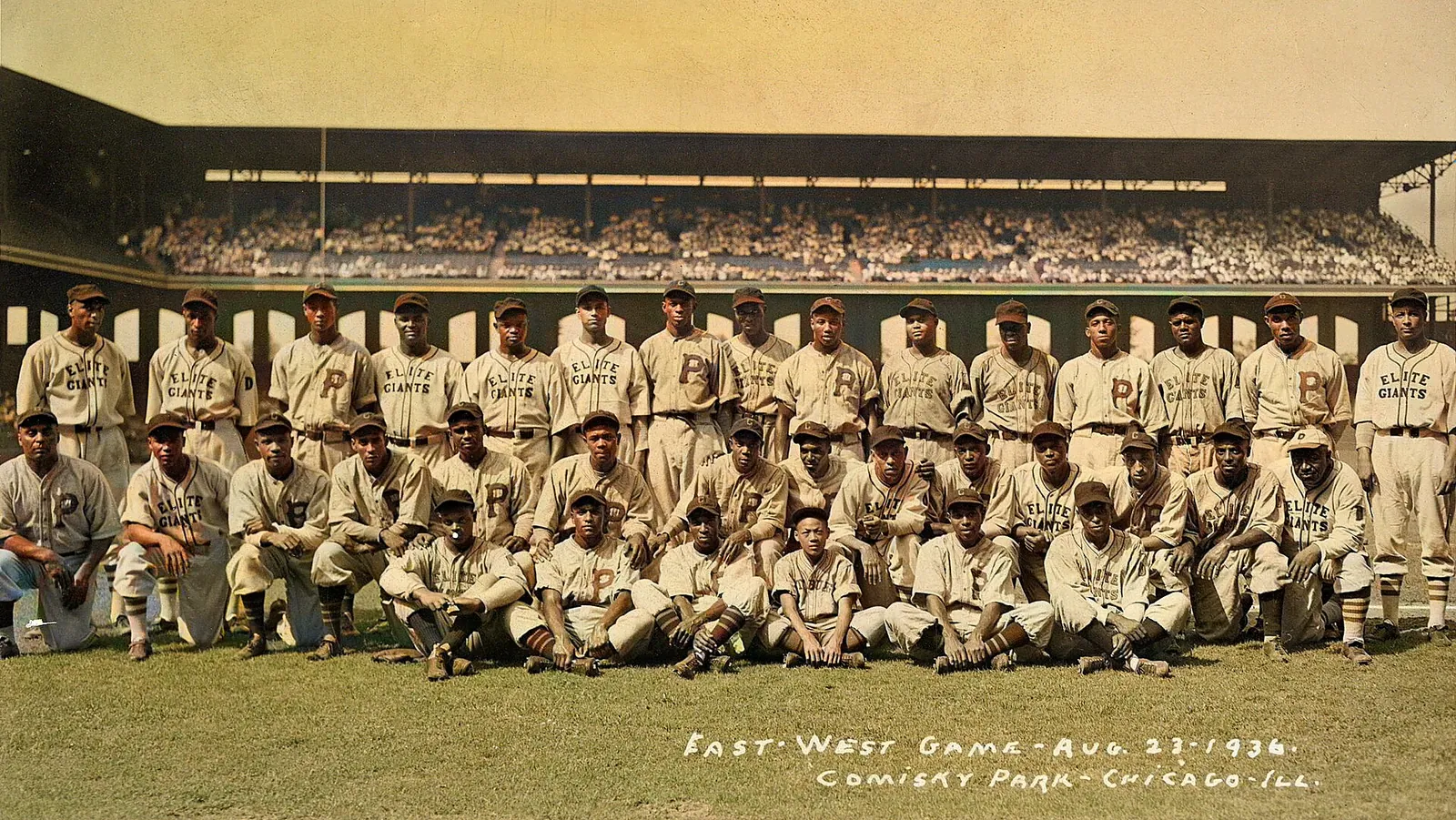 The East West Game
The all star game at Chicago's Comiskey Park, played every summer from 1933. In the 1940s it regularly drew crowds above 40,000, the most profitable day of the year for Black baseball.
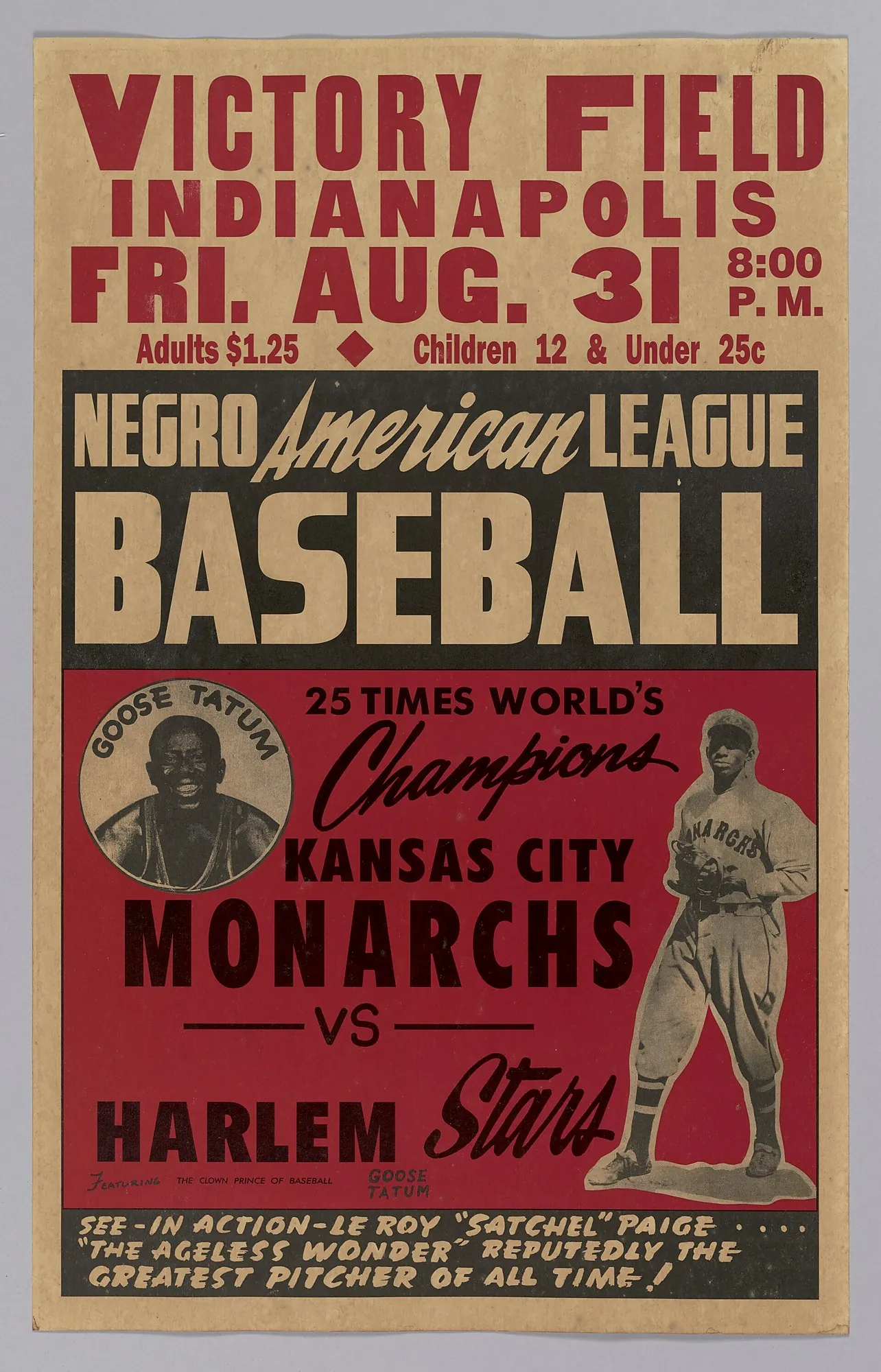
HOW A GOOD THING CAN STILL COST SOMEBODY
Picture the only pizza place in your neighborhood that hires people from your neighborhood. It's not fancy, but it's yours. Then a giant chain finally agrees to serve your side of town, which it should have done years ago. Everybody can now eat anywhere. That's good. But the best cooks get hired away, the customers drift to the chain, and the local place closes. Nobody who worked there gets paid for what they built.
That's close to what happened to the Negro Leagues. The comparison breaks in one big way, though. The chain didn't just open a store. Major league teams took the local place's best players, often without paying the owners a cent. Saying that out loud doesn't mean integration was wrong. It means the full story has a cost column, and somebody paid it.
Who got paid?
Two major league owners signed two Negro League stars. Open each deal.
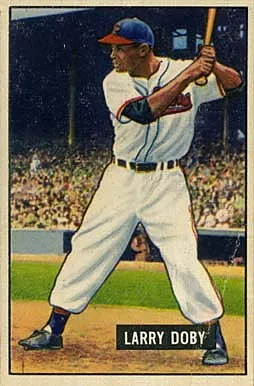
However we would be even more enthusiastic, if in extending this well merited recognition, you had only done the owners of The Newark Eagles the courtesy of negotiating with us for the services of this valuable player.Effa Manley, letter to Branch Rickey, 1946
Two truths.
Sort each consequence of integration. Does it belong under barrier broken or institution weakened?
BARRIER BROKEN
INSTITUTION WEAKENED
Look at the last two you sorted. Willie Mays and Hank Aaron belong in both columns. They became two of the greatest players ever, and every star who left made the Negro Leagues weaker. The Negro National League played its last season in 1948. The Negro American League hung on with fewer teams and smaller crowds until it was gone by the early 1960s. When Aaron retired in 1976, he was the last Negro League veteran still playing in the majors.
The record book, rewritten.
In 2020 Major League Baseball declared seven Negro Leagues from 1920 to 1948 official major leagues. On May 29, 2024, it added their statistics to the record book. Flip the career batting average leaderboard.
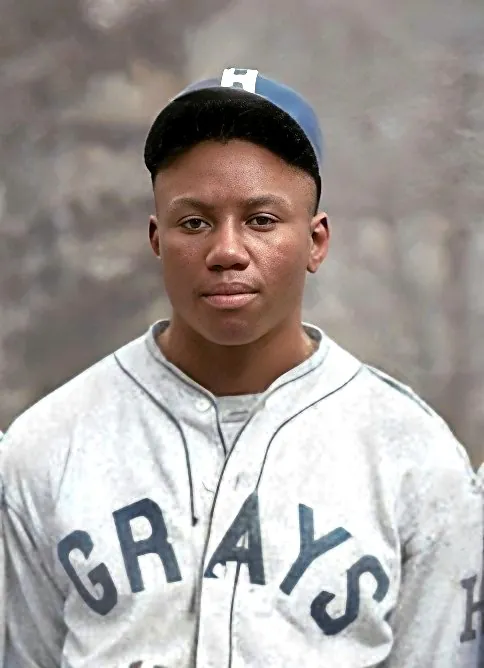
Review day. Friday, the whole story on one quiz.
- National Baseball Hall of Fame, The Business of the Negro Leagues. Effa Manley's 1946 letter to Branch Rickey.
- Neil Lanctot, Negro League Baseball: The Rise and Ruin of a Black Institution, University of Pennsylvania Press, 2004.
- Major League Baseball announcements of December 16, 2020 and May 29, 2024 on Negro League records.
- Photographs: Chicago American Giants / 1932 Pittsburgh Crawfords / Effa Manley / 1936 East West All Star Game / Josh Gibson / 1951 Bowman card of Larry Doby / Monarchs game poster. Public domain via Wikimedia Commons. Black and white photographs colorized for this lesson with the DDColor model.
- Larry Doby purchase terms from Society for American Baseball Research biography.