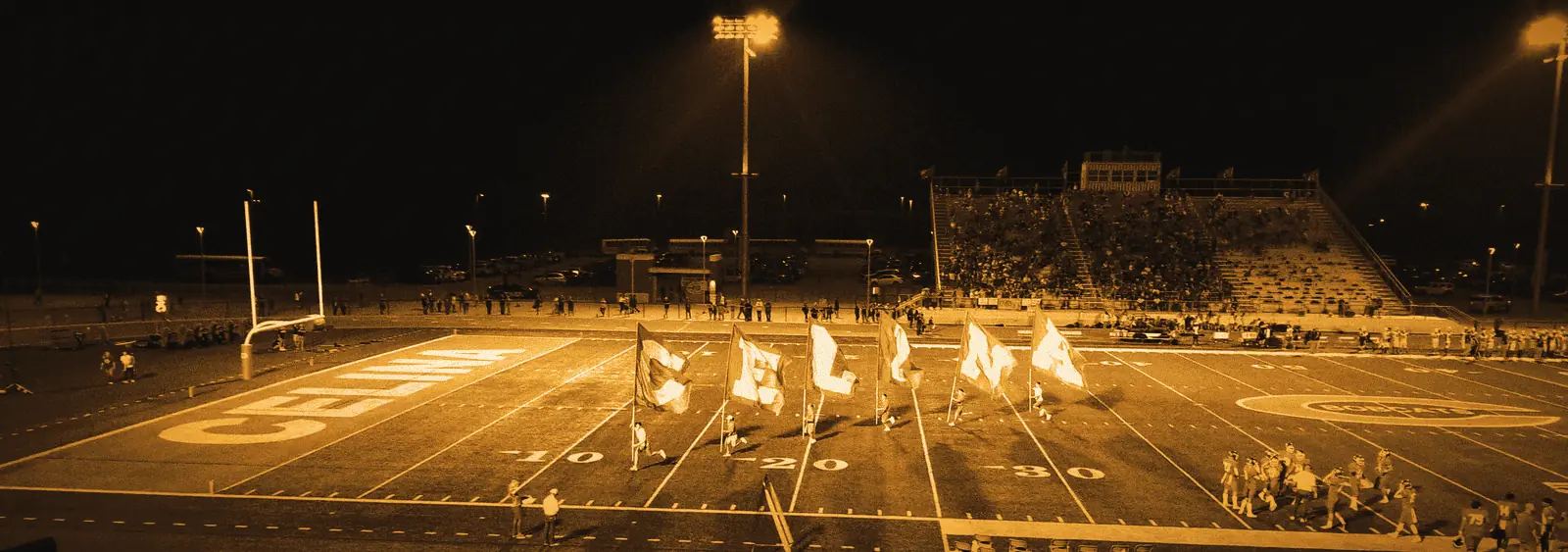
 A Texas Friday night, Celina, 2021. Photo: Heidi Knapp, CC BY SA 4.0, via Wikimedia Commons.

Who Pays for Friday Night?
In 1988 Odessa, Texas, was an oil town in a bust, and it hung its hopes on a team of 17 year olds. A reporter moved there to watch. This is the real season behind the movie.
Walk the field from goal line to goal line. Every chapter adds a line to the tab. At the other end zone you decide who paid the most.
The Reporter
In the spring of 1988 a Philadelphia newspaper reporter went looking for the place in America that cared the most about high school football. When he saw Ratliff Stadium in Odessa, he stopped looking.
H.G. "Buzz" Bissinger had already won a Pulitzer Prize at the Philadelphia Inquirer. In September 1988 he moved his family to Odessa and spent the entire season with the Permian High School Panthers. He rode with the coaches, sat in classrooms and ate dinner in players' homes.
He told the school board and head coach Gary Gaines he was writing about a town and its team. He expected a story like Hoosiers, about a sport pulling a community together. He found that. He also found racism, and a school that put football ahead of learning.
His book, Friday Night Lights: A Town, a Team, and a Dream, came out in 1990 and sold about 2 million copies. In 2004 his cousin, director Peter Berg, turned it into the movie. NBC turned the same title into a TV series in 2006.
Reel: the 2004 movie
Real: the people, 25 years later
Boom and Bust
To understand why one high school team mattered so much in Odessa, start underground.
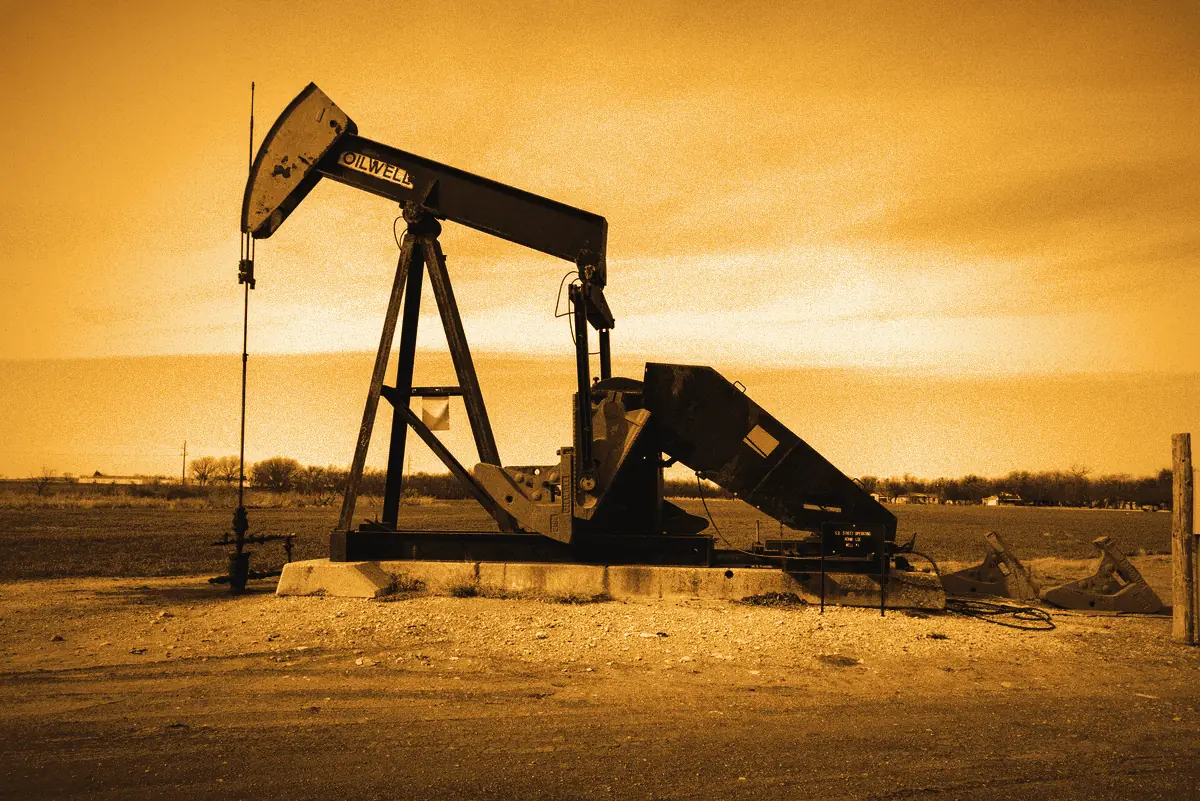
Odessa sits on the Permian Basin, an oil field that covers about 75,000 square miles of West Texas and New Mexico. Midland, twenty miles up the highway, is where the oil companies keep their offices. In 1982 Forbes listed eight Permian Basin oilmen among the richest people in the country.
Then the price fell apart. Between December 1985 and July 1986, OPEC crude dropped from $23.29 a barrel to $9.85. Two thirds of the drilling rigs in Texas shut down within two years. Around Midland and Odessa, a Rolls Royce dealership closed and three banks failed.
Drag through the decade below. Watch where the stadium and the season land on the line.
The price of a barrel
Average U.S. crude oil price, by yearSee every year as a table
| Year | Price per barrel |
|---|
Mojo
Permian fans chant one word at every game: Mojo. By 1988 the word stood for a stadium, a dynasty and an expectation.
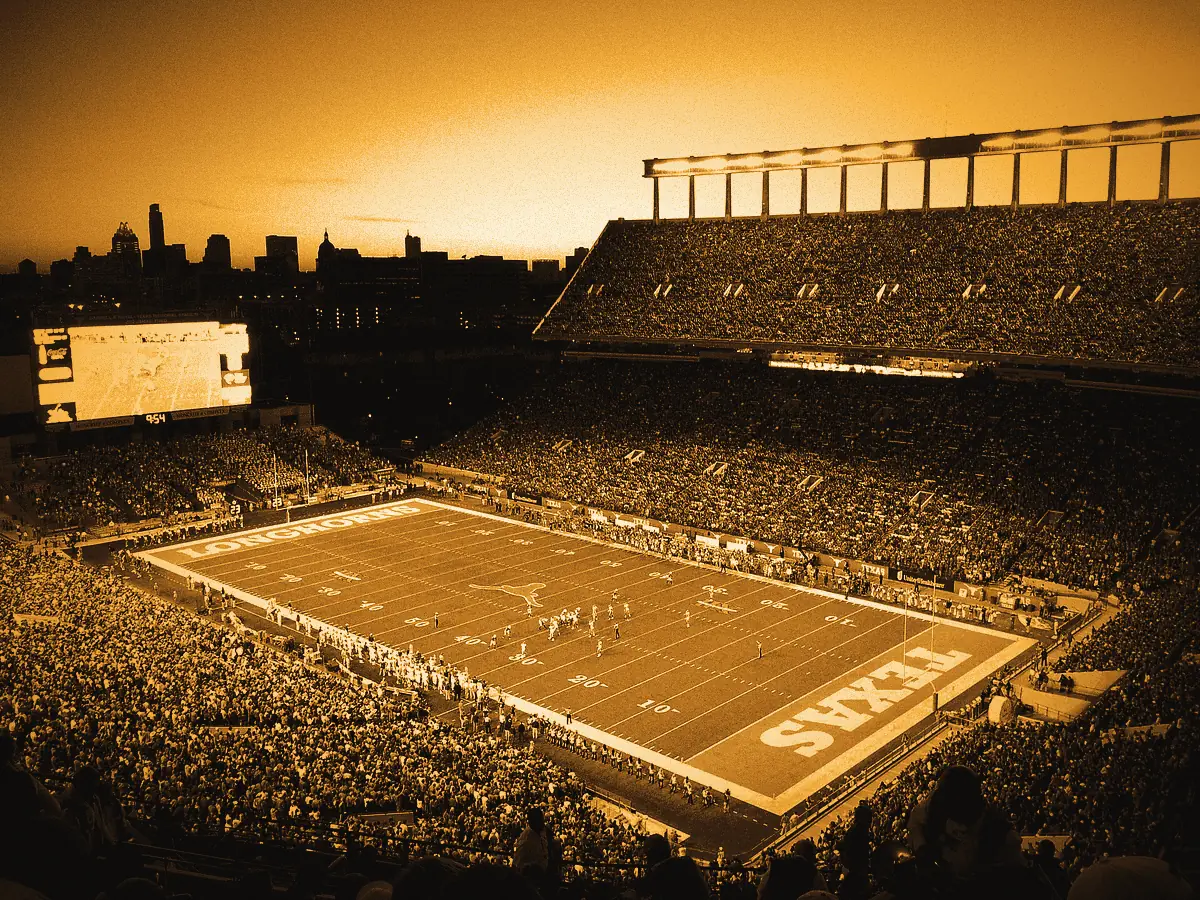
Ratliff Stadium opened in 1982, on land given to the school district by ranchers Bud and Sallie Ratliff. It cost $5.6 million and held 19,302 people. Permian and Odessa High share it. When Bissinger first saw it, he decided Odessa was the town for his book.
On Friday nights in 1988, crowds close to 20,000 filled it to watch teenagers play. The Mojo chant dates back to the 1960s. Odessa High had not beaten Permian since 1964, a streak that would last 33 years. Between 1965 and 1995 Permian played in eleven state championship games.
So in Odessa a good season was not enough. A season that did not end with a run at the state title felt like a failure, to the fans and to the boys wearing the black jerseys.
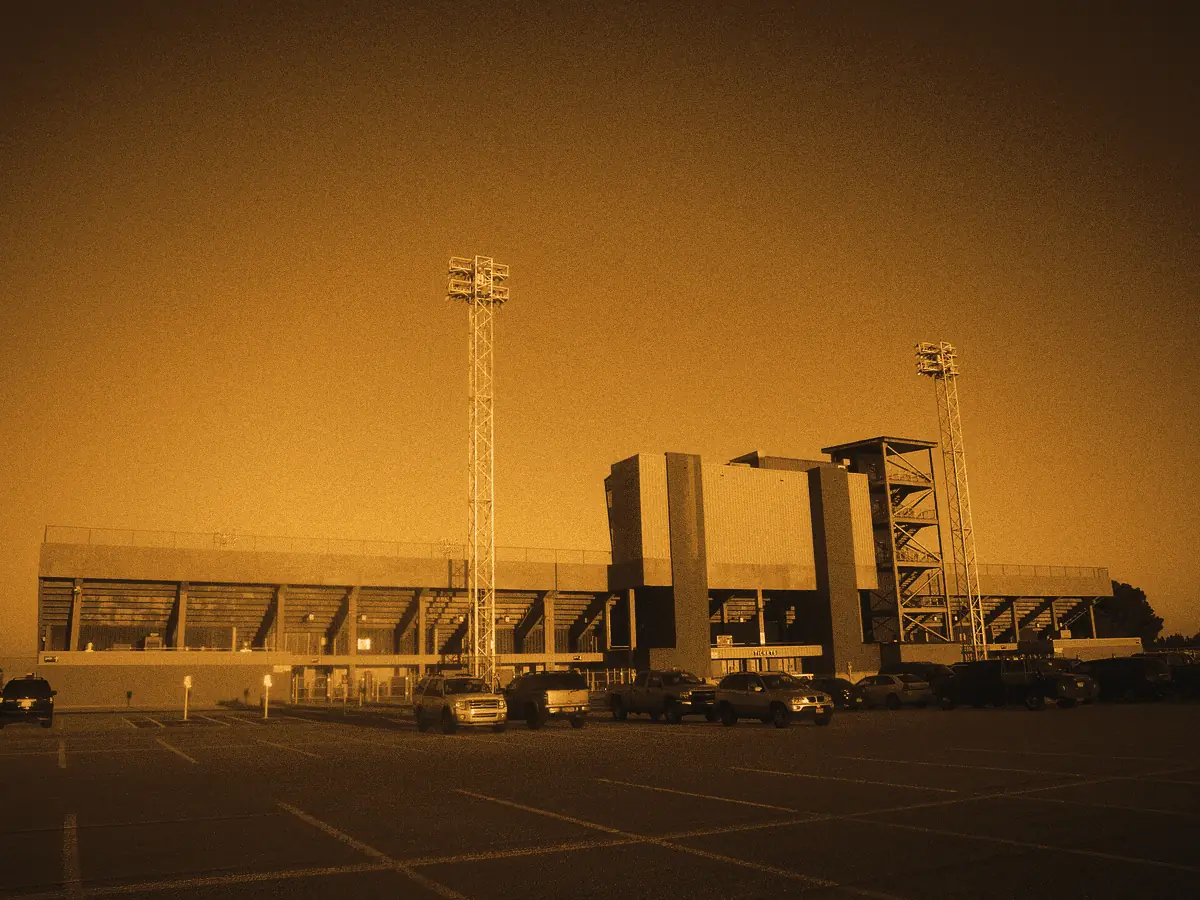

seats when Ratliff opened in 1982, all for high school football.
The Budget
A budget is a list of what a place thinks matters. Bissinger got a look at Permian's.
For the whole 1988 school year, the English department received $5,040 for books, paper and classroom materials. That same year the football program spent $6,400 filming its games and $6,750 on medical supplies for its athletes.
The biggest bill was travel. Permian chartered jets to fly the team to away games, at a cost of about $70,000.
English teacher LaRue Moore told Bissinger that her department had just received its first computer, to be shared by about 25 teachers. The varsity football program already had a computer. It got a new one.
Guess first
One English budget is $5,040. How many English budgets would pay for one season of chartered jets?
Each square is one English budget of $5,040. Figures reported in Bissinger's book.
One Scrimmage
Midfield. This is the chapter the whole season turns on, and it happened before the season even started.
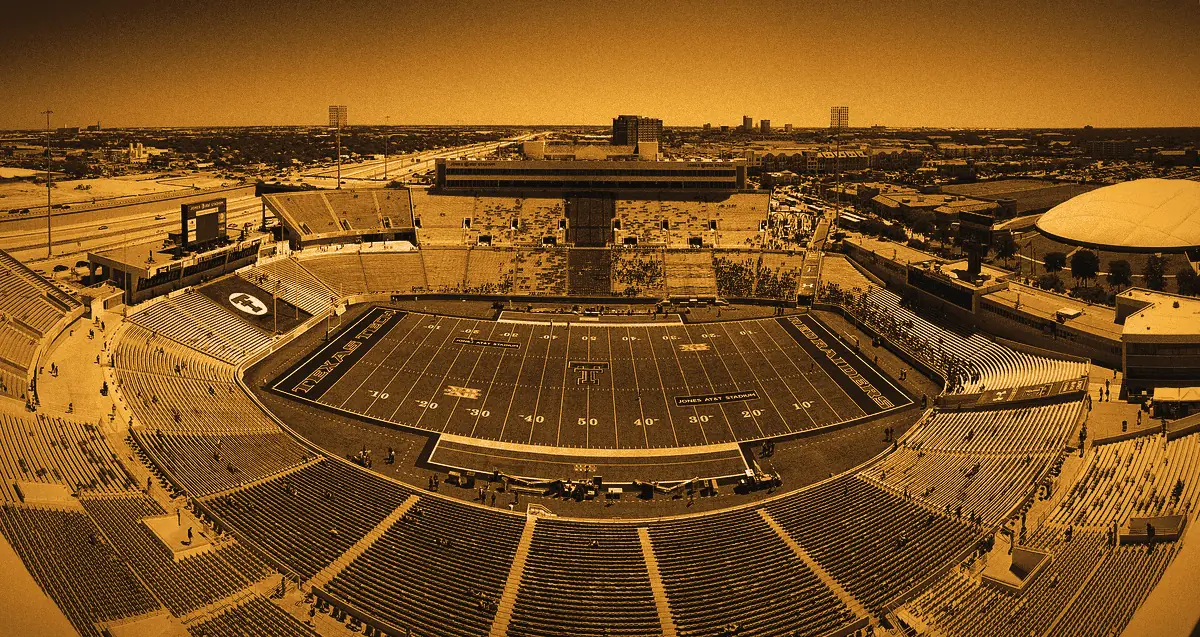

James "Boobie" Miles was supposed to carry Permian in 1988. As a junior he ran for 1,385 yards. Nebraska, Oklahoma, Arkansas, Texas A&M and USC were all recruiting him. He lived with his uncle and guardian, L.V. Miles. His grades were weak, and he was counting on a football scholarship to get him to college.
In the first scrimmage of 1988, against Amarillo Palo Duro at Jones Stadium, his toe caught in the artificial turf and a Palo Duro player fell on his leg. Doctors first called it a bad sprain, not a tear. Boobie and L.V. chose rehab and a knee brace instead of surgery so he could get back on the field fast. The brace likely made the injury worse. Years later Boobie said he wished he had had the surgery.
The coaches built the offense around his replacement, Chris Comer. Boobie barely played again. Before the Midland Lee game he hoped to show college scouts he was back. The coaches never put him in.
Bissinger stayed in touch with Boobie for 25 years. In 2015 he said he did not think Boobie had ever recovered. In 2012 he wrote a follow up about those years called After Friday Night Lights.
rushing yards for Boobie as a junior in 1987, his last full season.
Heads or Tails
Permian played a full season to earn a playoff spot. In the end a quarter decided it.
On October 28, rival Midland Lee came from behind to beat Permian 22 to 21. A week later Permian beat San Angelo Central. That left three teams tied at 5 and 1 in district play: Permian and both Midland high schools. Midland High had beaten Lee earlier in the year. Only two teams could go to the playoffs.
The Texas tiebreaker rule was a coin flip, held the night after the last games. Bissinger rode with Coach Gaines and assistant coach Belew to a truck stop diner in the empty country near Midland. The location was supposed to be secret. TV crews found it anyway and broadcast the flip live just after midnight.
Each coach flipped a coin. The odd coin out was eliminated. Back in the field house, Permian players watched on TV.
Real: the 1988 flip
Run the tiebreaker
Three coins go up. If two match, the odd coin is out. If all three match, they flip again. Run it a few times, then run 300 at once and look at the odds.
Nobody has flipped yet.
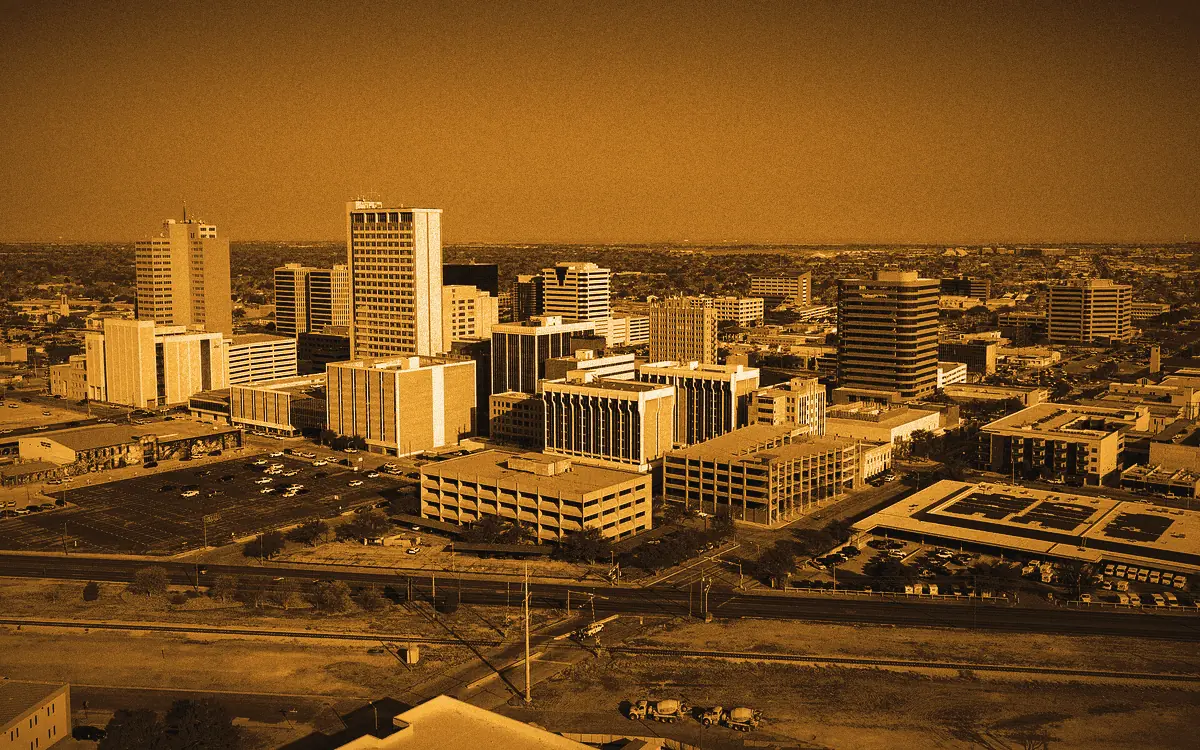
Photo: downtown Midland. Quintin Soloviev, 2026, CC BY 4.0, via Wikimedia Commons. Color treatment for this page.

No Pass, No Play
Four years before Bissinger arrived, Texas tried to put school ahead of football by law. That law decided how Permian's season ended.
In 1984 Governor Mark White asked Dallas businessman Ross Perot to lead a study of Texas schools. The result was House Bill 72, signed on July 13, 1984. It raised teacher pay, capped class sizes and started preschool for eligible 4 year olds. One rule got all the attention.
Under no pass, no play, a student with a grade below 70 in any class for a six week grading period could not play or even practice for the next six weeks. Coaches and parents fought it hard. In the fall of 1985, about 85 percent of the state's varsity football players passed every class and stayed eligible.
Many people still call the 1988 Dallas Carter team the most talented in Texas history. Twenty one of its players had college scholarship offers. Then an anonymous tip reached the state: Carter's star Gary Edwards had failed algebra, and his grade had been changed. Step through what happened next.

The Carter docket
Read the whole docket as a list
Real: Permian vs Carter, 1988
Real: Carter's side
Hollywood or History
Every true story movie changes things. Some changes are invented. Some move a real event to a new time or place. Call each claim the movie makes.
0 of 9 called
History It really happened that way.
Hollywood The movie made it up.
Remixed A real event, moved or changed.

The Town Fought Back
When the book came out, Odessa read about itself. A lot of people did not like what they saw.
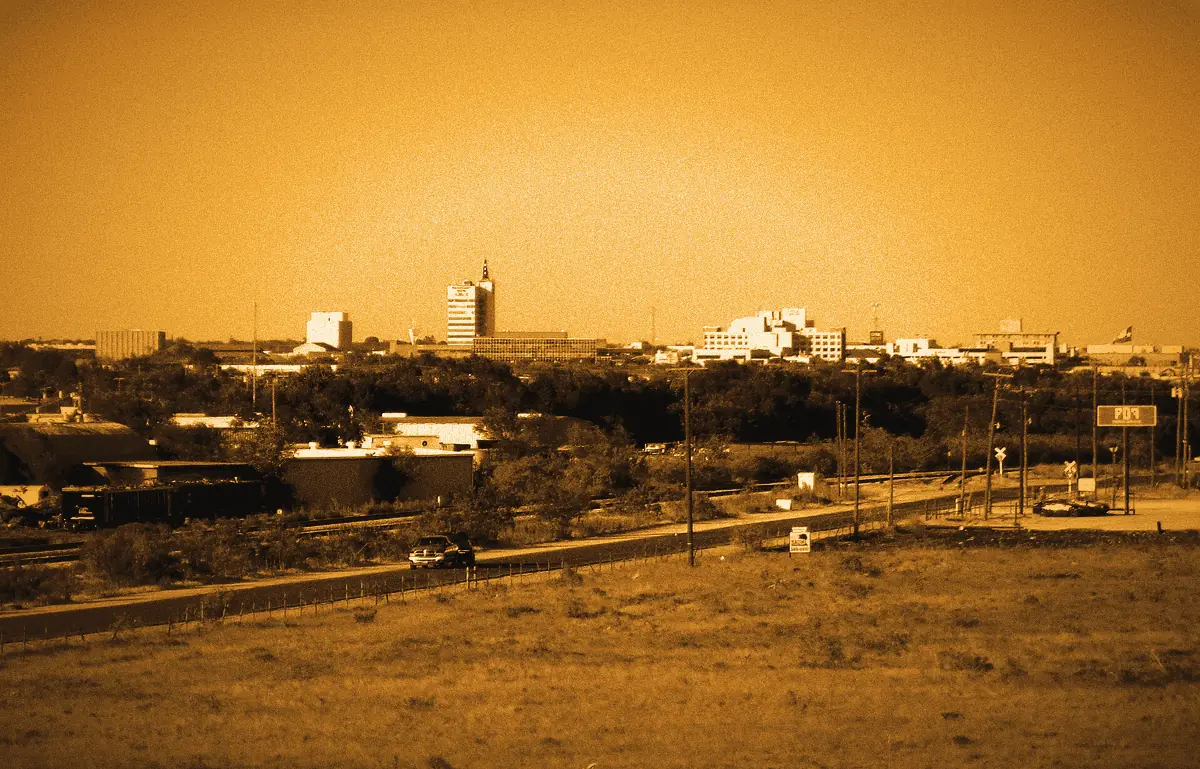

The book reached stores in the fall of 1990. Readers in Odessa objected to how it described racism in the town and the school's priorities. Race was not a new subject in Odessa. Under a federal desegregation order that dated to 1970, the district closed Ector High, one of the town's formerly segregated schools, as a high school in the early 1980s and sent its students to Odessa High and Permian.
Coach Gaines was unhappy with the book. People made threats in person at a Waldenbooks store in Odessa, and more threats came by phone to a B. Dalton manager. Bissinger canceled his book signing in Odessa. T shirts reading "Buzz off, Bissinger" showed up around town. Years later he said that if he had gone, someone would have tried to do something to him.
In 2015, for the book's 25th anniversary, he came back to Odessa for a book event.
The Tab
Here is everything the season put on the tab. Nobody on this list got a vote. Move the lines until the one that paid the most is on top.
Permian Panthers
1988 season who paid
Sources and credits
- H.G. Bissinger, Friday Night Lights: A Town, a Team, and a Dream, Addison Wesley, 1990, and After Friday Night Lights, 2012.
- Education Week: review of the book, January 1991, for the 1988 budget figures. "Author of High School Football Book Faces Threats," October 3, 1990.
- NPR Fresh Air interview with Bissinger, August 2015. CBS 60 Minutes Sports, 2015.
- Associated Press, December 11, 1988, and the UIL playoff archive for the 1988 season.
- Odessa American, MojoLand and Texas Football for Permian's history, the Midland Lee game and the coin toss.
- U.S. Energy Information Administration crude oil price figures as compiled by InflationData. Oil and Gas 360 for OPEC prices in 1985 and 1986. StateImpact Texas and the Dallas Morning News on the 1980s bust.
- Texas Tribune, Texas Public Radio, Houston Chronicle and Education Week on House Bill 72 and no pass, no play.
- The Battalion, December 9, 1988 and November 8, 1990. Dallas Morning News, 2008 and 2015, on Dallas Carter. ESPN 30 for 30, What Carter Lost, 2017.
- Houston Chronicle, 2004, on what the film changed. Pitt News on Bissinger and the film's ending.
- Photos: all from Wikimedia Commons with the credits in each caption, printed in amber or teal for this page. CC BY SA adaptations are shared under the same license. Videos play from YouTube channels named on each frame.