He knew
It is one of the oldest conspiracy theories in American history. It started in the weeks after the attack and it still fills books and videos: President Franklin Roosevelt knew Japan was going to strike Pearl Harbor and let it happen, so an angry country would finally go to war.
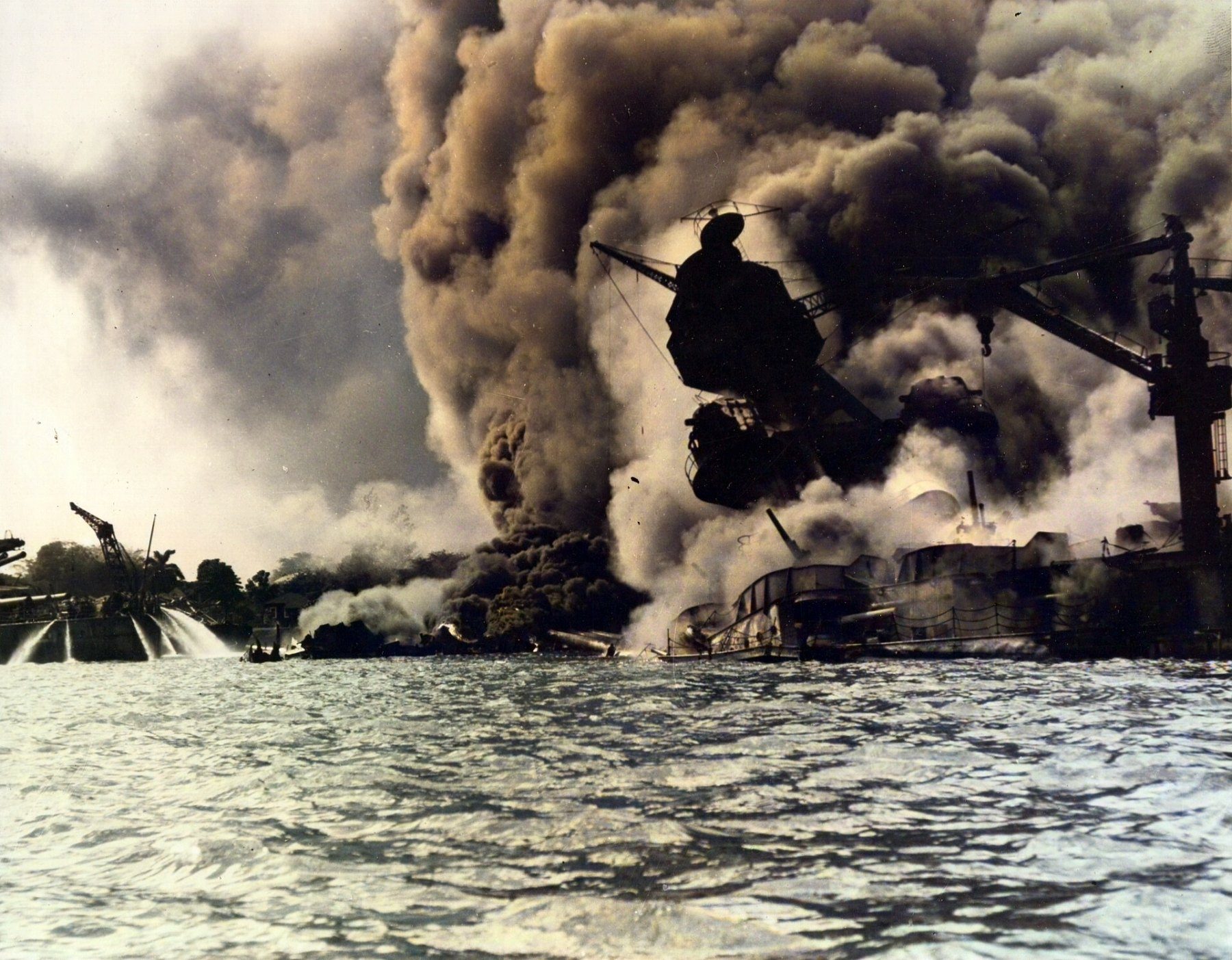
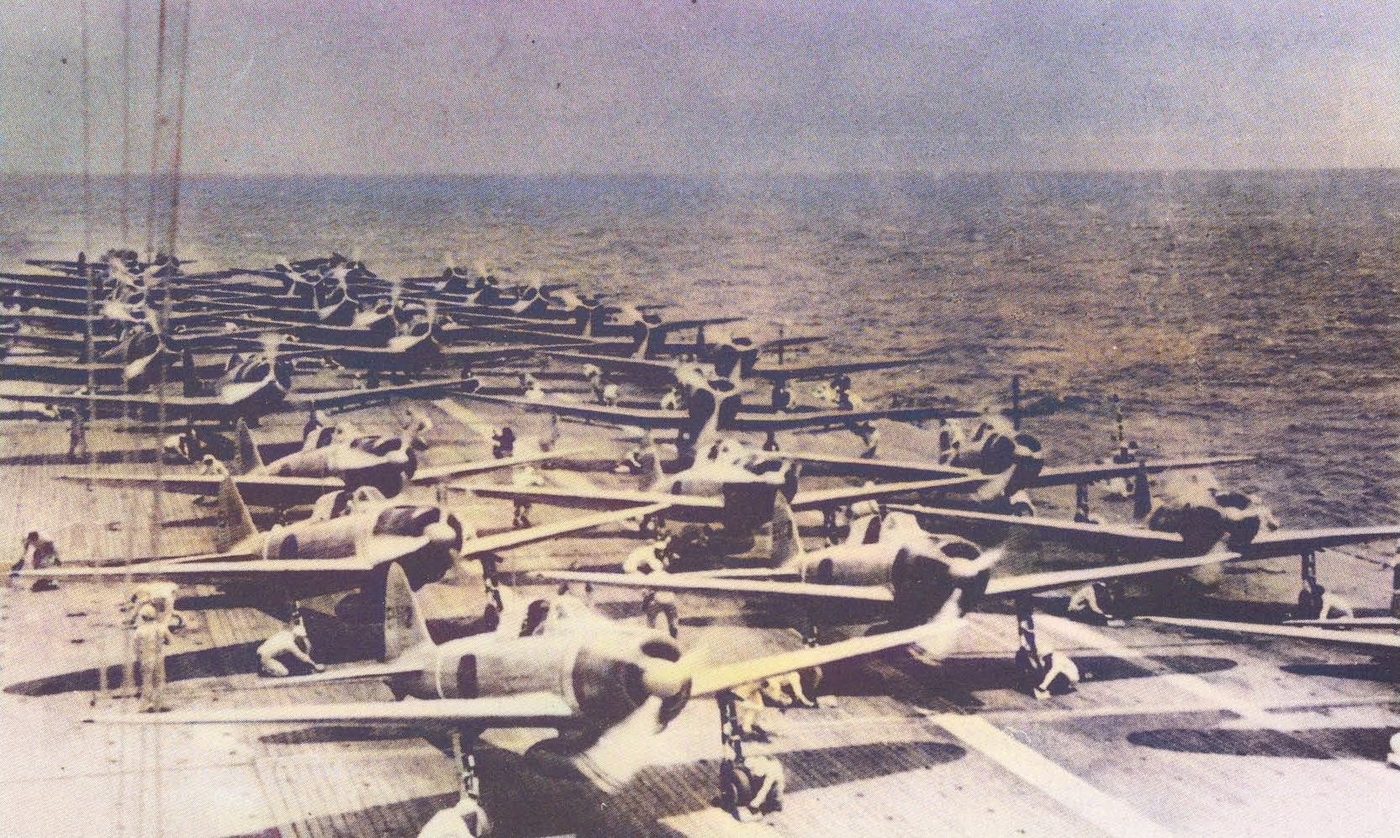
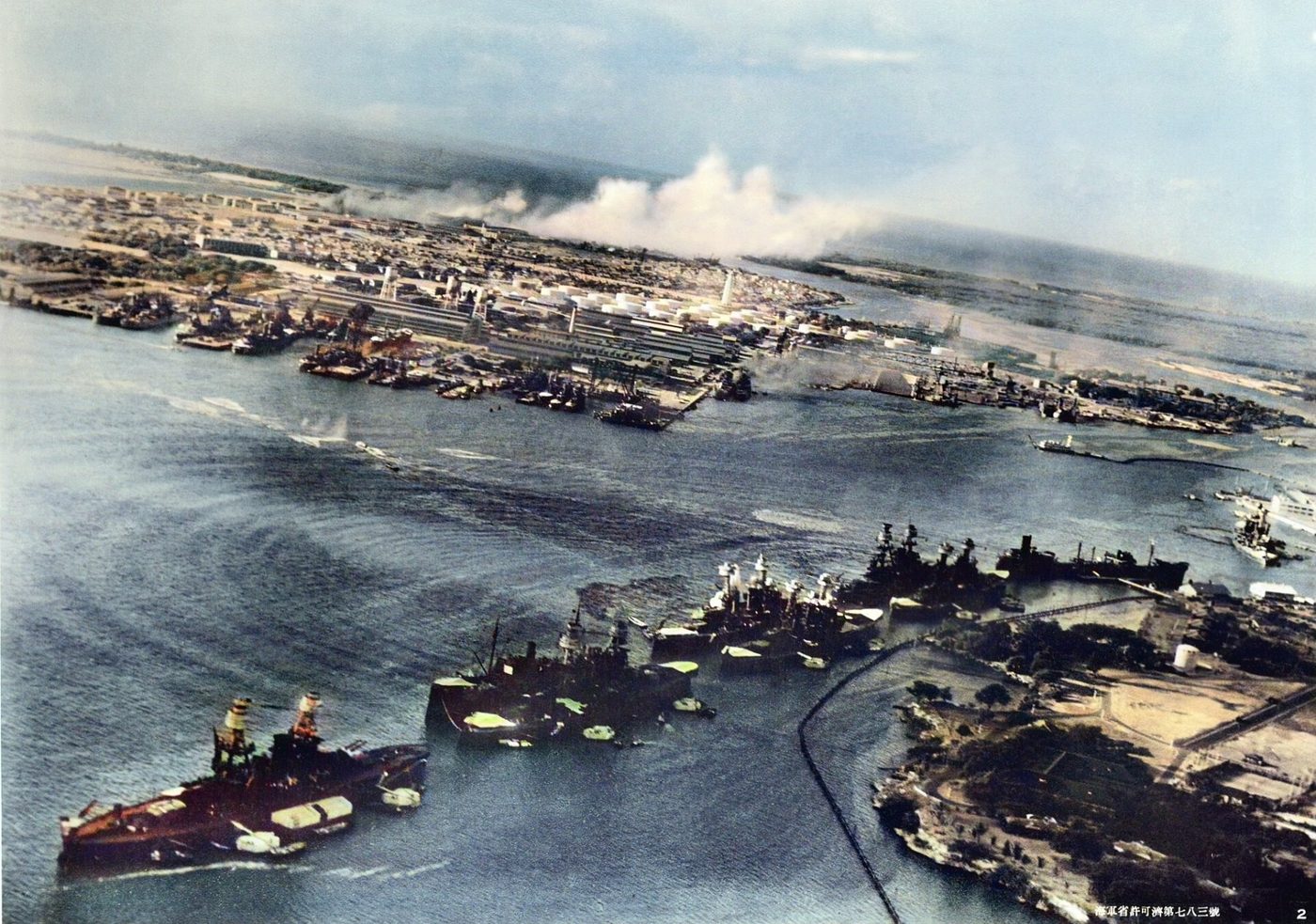
At 7:55 on a Sunday morning, December 7, 1941, planes from six Japanese aircraft carriers hit the Pacific Fleet at its base in Hawaii. They killed 2,403 Americans. The records from the six weeks before that morning are full of warnings. The question for this page is narrow and hard. What did the United States know, who knew it, and did anyone know the target?
A warning that named everywhere else
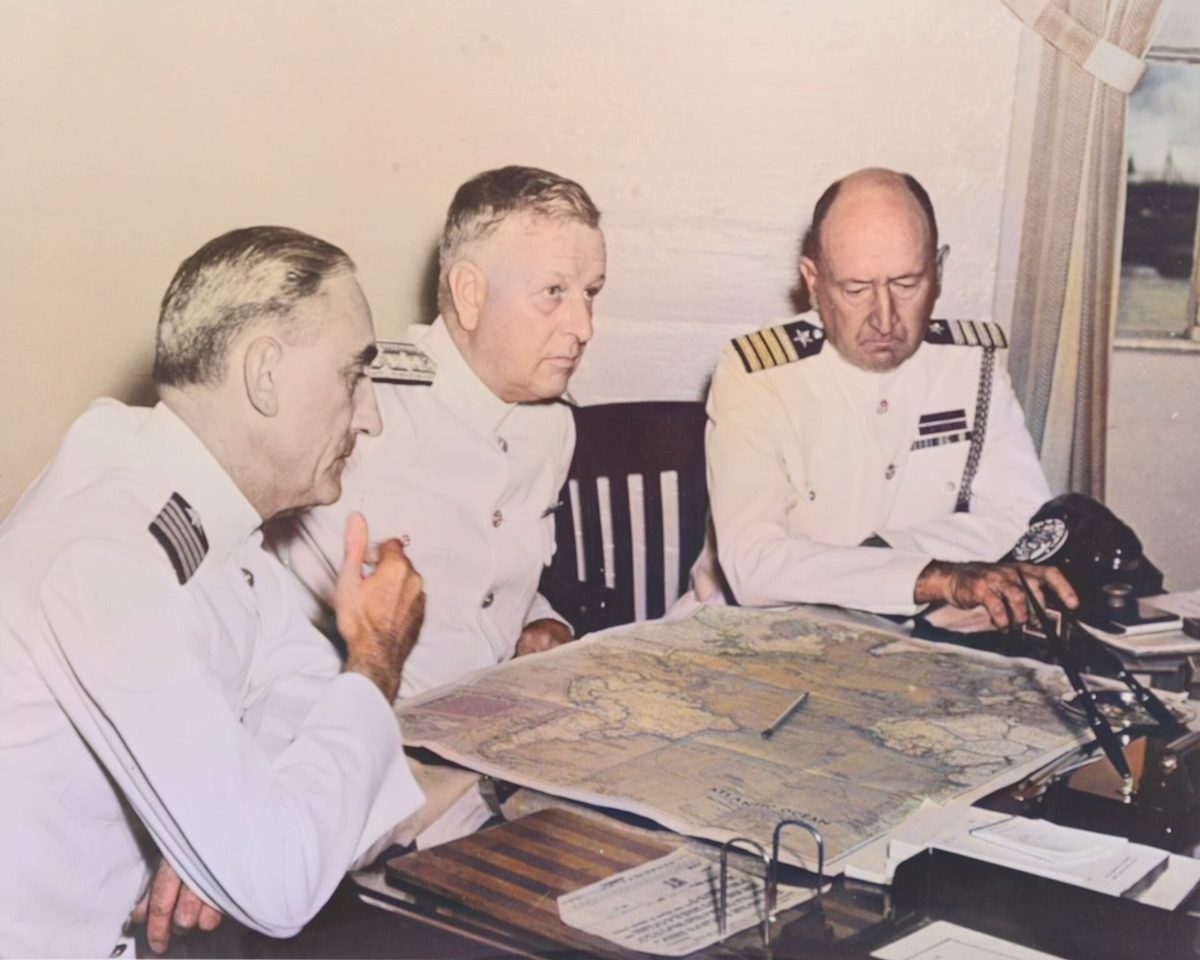
By late November, talks between the United States and Japan had collapsed. Japanese troops were already fighting in China and pushing into French Indochina. On November 27 the Chief of Naval Operations, Admiral Harold Stark, sent a message to Admiral Husband Kimmel, commander of the Pacific Fleet at Pearl Harbor. Its first words were the strongest the Navy had.
This despatch is to be considered a war warning. Negotiations with Japan looking toward stabilization of conditions in the Pacific have ceased and an aggressive move by Japan is expected within the next few days. The number and equipment of Japanese troops and the organization of naval task forces indicates an amphibious expedition against either the Philippines, Thai or Kra peninsula or possibly Borneo. Execute an appropriate defensive deployment. Continental districts, Guam, Samoa directed take appropriate measures against sabotage.
The war warning names six places. Plot them.
The Army's version went to General Walter Short, who commanded the troops defending Hawaii. It said "hostile action possible at any moment" and added that "the United States desires that Japan commit the first overt act." It also told him not to "alarm civil population or disclose intent." Short answered within half an hour.
Report department alerted to prevent sabotage. Liaison with Navy.
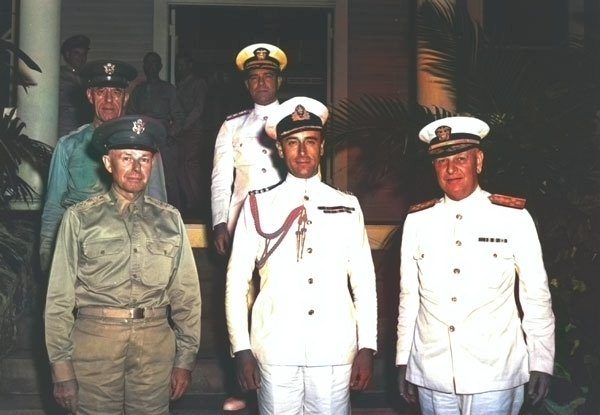
Sabotage by local spies was the danger Short believed in. To make his planes easier to guard, he had them parked wingtip to wingtip in the open. Washington never questioned his reply. Kimmel had spent the year asking for long range patrol planes, antiaircraft guns and torpedo nets, and got little of it. In the words of the Navy's own historians, in no message from Washington that Kimmel received "was Pearl Harbor ever explicitly mentioned as a possible target."
What the codebreakers could read
Here is the fact the theory is built on. American codebreakers had broken Japan's top diplomatic cipher, which they called Purple. The decoded messages went to a short list of officials under the name Magic. It is true, and it is not the whole truth. Japan used different codes for different jobs. Purple carried messages between Tokyo and its embassies. The Japanese navy used its own code, and in 1941 American codebreakers could not break into it in any way that mattered.
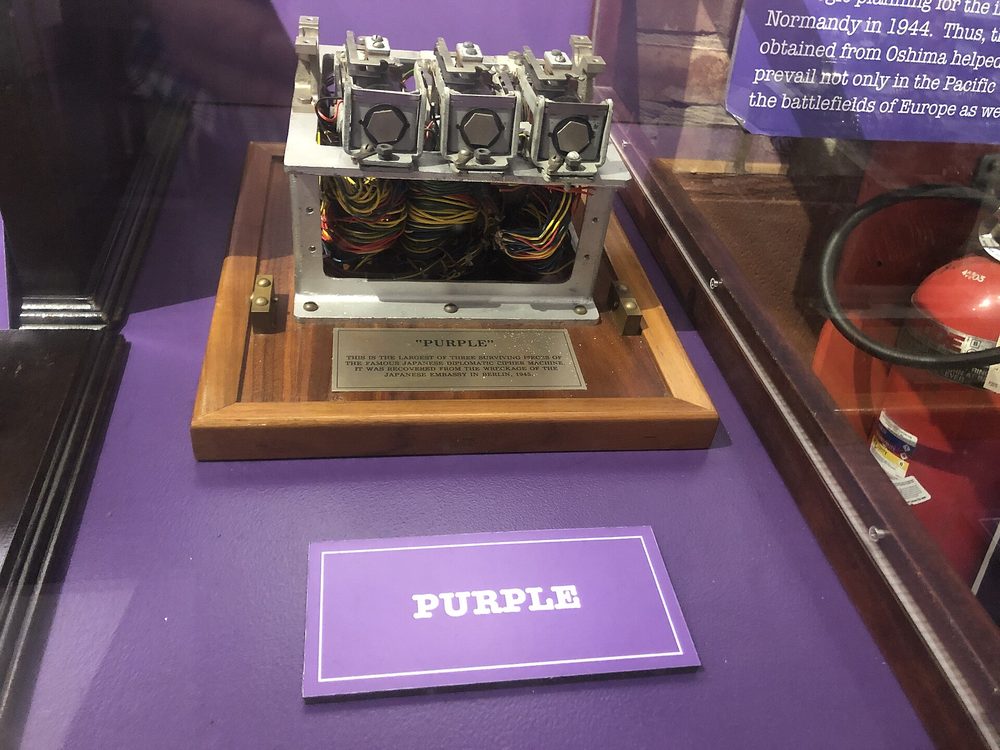
Kimmel and Short did not receive Magic at all. Washington kept it to a handful of readers to protect the secret that the code was broken. Run the 1941 codebreakers on six real Japanese messages and see what came out.
The closest thing to a warning was Telegram 83, the message that told Tokyo's spy in Honolulu to divide the harbor into five areas. Historian Robert Butow of the National Archives wrote that it placed "a bombing grid over the target." Two officers in Washington were troubled by it. Others explained it away as Japanese love of detail. Tokyo's spies were also asking about the Panama Canal, the Philippines, and ports on the West Coast and in Canada, so a question about ship positions did not stand out.
On the night of December 6, a Navy aide brought Roosevelt the first 13 parts of Japan's final message. Butow wrote that the President read it and told his adviser Harry Hopkins, in substance, that this meant war. He was almost certainly thinking of Southeast Asia, where Japanese convoys were already at sea.
The carriers nobody could see
Without a readable naval code, Navy radio analysts in Hawaii tracked the Japanese fleet from the outside and reported to Kimmel's intelligence officer, Lieutenant Commander Edwin Layton. They counted radio messages, plotted where they came from, and learned which call sign belonged to which ship. On November 1 and again on December 1, the Japanese navy changed every call sign. The carriers disappeared from the American picture.
At a staff meeting on December 2, Kimmel asked Layton where the carriers were. Layton admitted he did not know. By Layton's later account, Kimmel asked whether they could be rounding Diamond Head, the landmark on the edge of Honolulu, without anyone knowing. Layton said he hoped they would be spotted long before that. The right question was asked in the right room, and nobody could answer it.
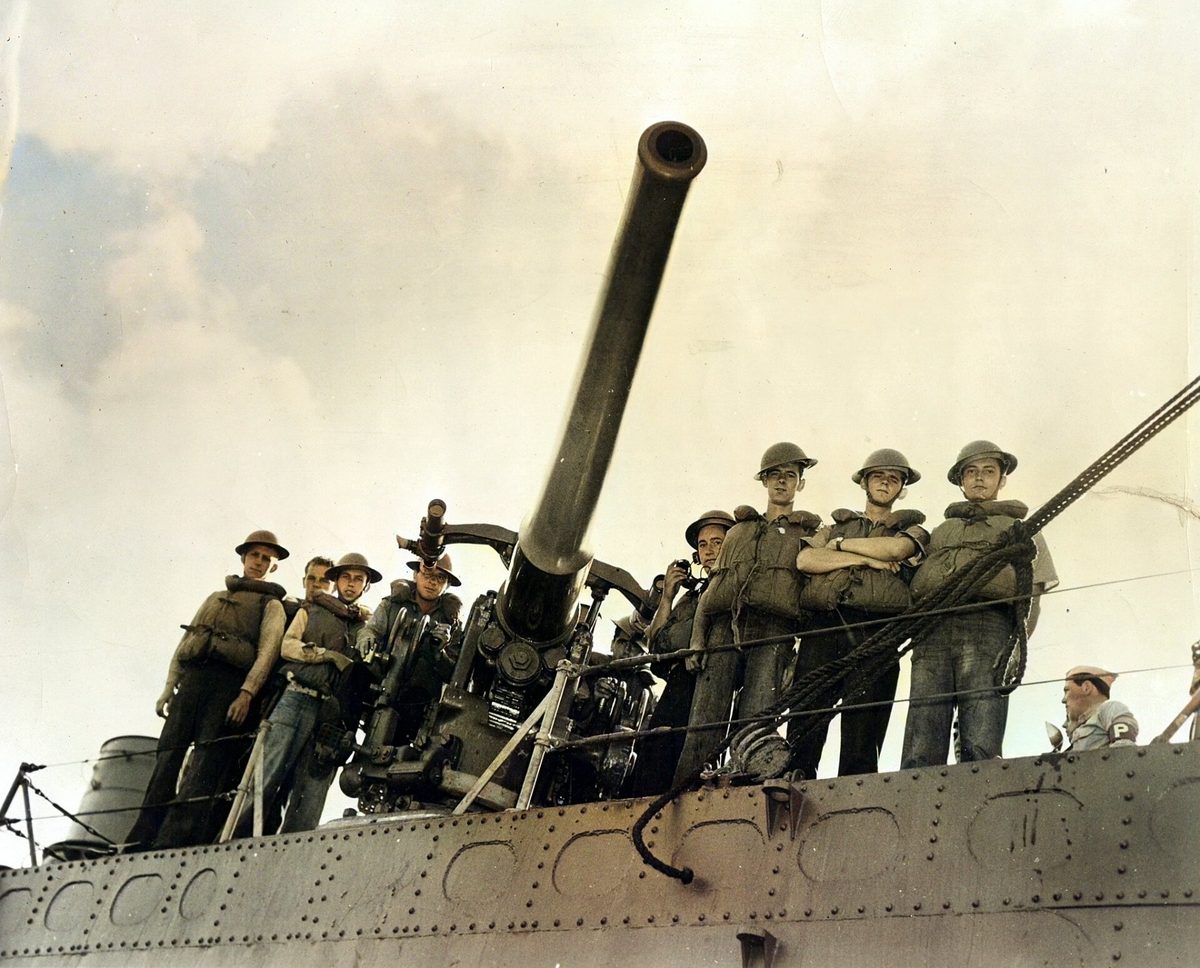
The American carriers were not in port on December 7. Enterprise and Lexington were at sea delivering fighter planes to the Marine garrisons on Wake and Midway islands. Saratoga was in San Diego. Enterprise was about 200 miles west of Oahu that morning, heading home.
Fifty three minutes
The morning of December 7 produced two warnings that were real, local and specific. The first came at sea. At about 6:45, the old destroyer USS Ward fired on a small Japanese submarine trying to follow a ship through the harbor entrance, and hit it. Lieutenant William Outerbridge, two days into his first command, radioed that he had "attacked, fired upon, and dropped depth charges upon submarine operating in defensive sea area." Headquarters asked for confirmation. In 2002 researchers found the submarine three miles outside the harbor, sitting upright with a shell hole at the base of its tower.
The second warning came from a radar truck on a hill at Opana Point, on Oahu's north shore. The set was supposed to shut down at 7:00. Private Joseph Lockard kept it running so Private George Elliott could practice. Drag the clock.
- 6:45USS Ward fires on a submarine at the harbor entrance.
- 7:02Opana picks up the biggest contact Lockard has ever seen, 132 miles north.
- 7:20Lockard reaches the duty officer at Fort Shafter, Lieutenant Kermit Tyler. Tyler tells him, "Well, don't worry about it."
- 7:33A warning from General Marshall in Washington reaches Honolulu by commercial telegraph.
- 7:39The contact is lost 20 miles out, hidden by echoes off the mountains.
- 7:55Bombs and torpedoes hit Pearl Harbor.
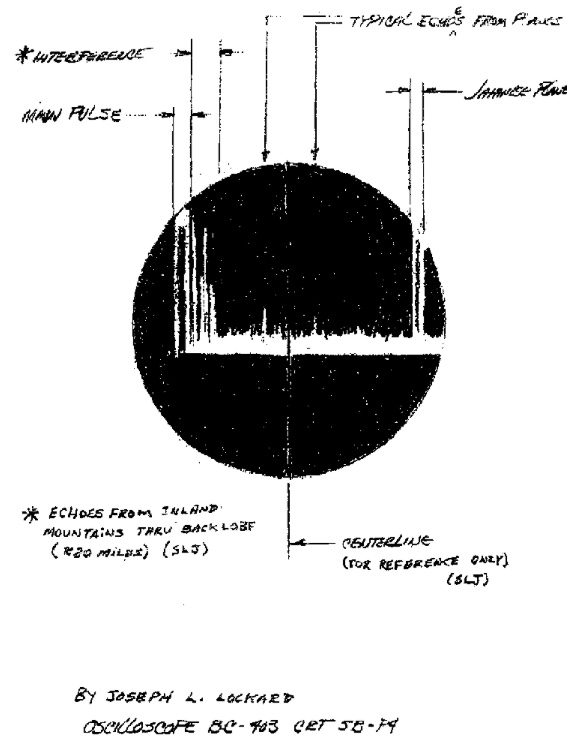
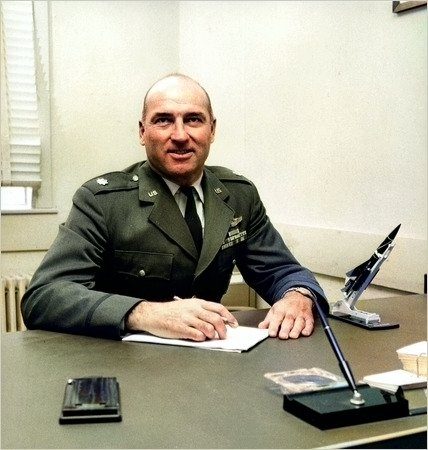
Tyler guessed wrong for a reason that made sense at 7:20 in the morning. That is what makes this an error and not a betrayal. Marshall's telegram, sent when Washington decoded Japan's order to deliver its final message at 1:00 p.m. Eastern time, went by commercial telegraph because Army radio to Hawaii was not getting through. A messenger reached Short's headquarters at 11:45. It was decoded and delivered at 2:58 in the afternoon.
Almost half of everyone killed that morning died on one ship. A bomb set off the Arizona's forward ammunition magazines. Japan lost 29 planes, five small submarines and 64 men.
How the theory is built
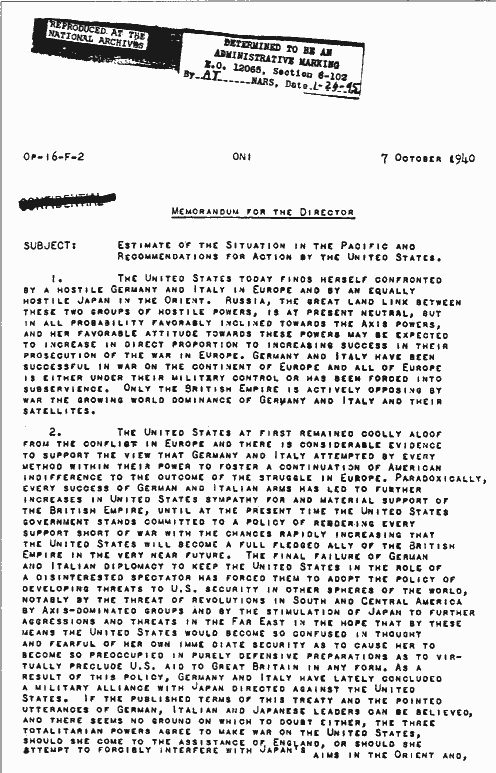
The strongest version of the theory appeared in a 2000 book by Robert Stinnett, Day of Deceit. It starts with a real document. In October 1940 a Navy intelligence officer, Lieutenant Commander Arthur McCollum, wrote a memo listing eight actions that could push Japan toward war, from keeping the fleet in Hawaii to cutting off Japan's trade. From there the theory adds link after link until it reaches Roosevelt. A chain is only as strong as its weakest link. Test each one.
Two verdicts
The United States investigated Pearl Harbor again and again. The first inquiry and the biggest one reached opposite conclusions about the men in Hawaii.
The Roberts Commission
A panel led by Supreme Court Justice Owen Roberts reported on January 23, 1942, only seven weeks after the attack. It found Kimmel and Short guilty of "dereliction of duty." They could not see the evidence against them or question witnesses.
The Joint Committee
Ten members of Congress heard 44 witnesses and printed more than 5,000 pages of testimony. The majority found "errors of judgment and not derelictions of duty" in Hawaii and in Washington, and rejected the claim that Roosevelt "tricked, provoked, incited, cajoled, or coerced Japan" into attacking.
The ultimate responsibility for the attack and its results rests upon Japan.
Joint Committee on the Investigation of the Pearl Harbor Attack · June 20, 1946Two Republican senators, Owen Brewster of Maine and Homer Ferguson of Michigan, signed a minority report. They called the majority's conclusions "illogical" and wrote that "the record is far from complete." A careful reader keeps that dissent in view. Its complaint was that Washington, including the President, deserved more of the blame for failures of command. It did not claim proof that anyone knew the target.
The committee asked its own hardest question: "Why, with some of the finest intelligence available in our history, why was it possible for a Pearl Harbor to occur?" Its answer pointed to intelligence split among agencies that did not share it. The fix became law in 1947, when the National Security Act created the Central Intelligence Agency.
Build the truest sentence
Most arguments about Pearl Harbor turn on one sentence: someone knew something by some date. Build that sentence and see what the record will support.
Make the argument
150 to 200 words. Pick one prompt and use at least two numbered sections as evidence.
When you are finished, copy everything and paste it into the Classroom assignment. Your work saves in this browser as you type.