WHAT AN UMBRELLA PROJECT IS
Your school probably has an activities account. Money goes in under one name, and then it pays for the robotics club, the yearbook, the field trip and the new scoreboard. If you only saw the account name, you'd have no idea what any of it bought.
MKULTRA worked like that. It wasn't a laboratory or one big experiment. It was a name on a funding line, and under it the CIA paid for separate projects at universities, hospitals, drug companies and prisons. Here's where the school example breaks. Your activities account has a public budget. MKULTRA was built so the people doing the work often couldn't tell who was paying them, and the paper that would explain what each project did was destroyed on purpose. So when someone says MKULTRA did something, the right question is which project, and what's the proof.
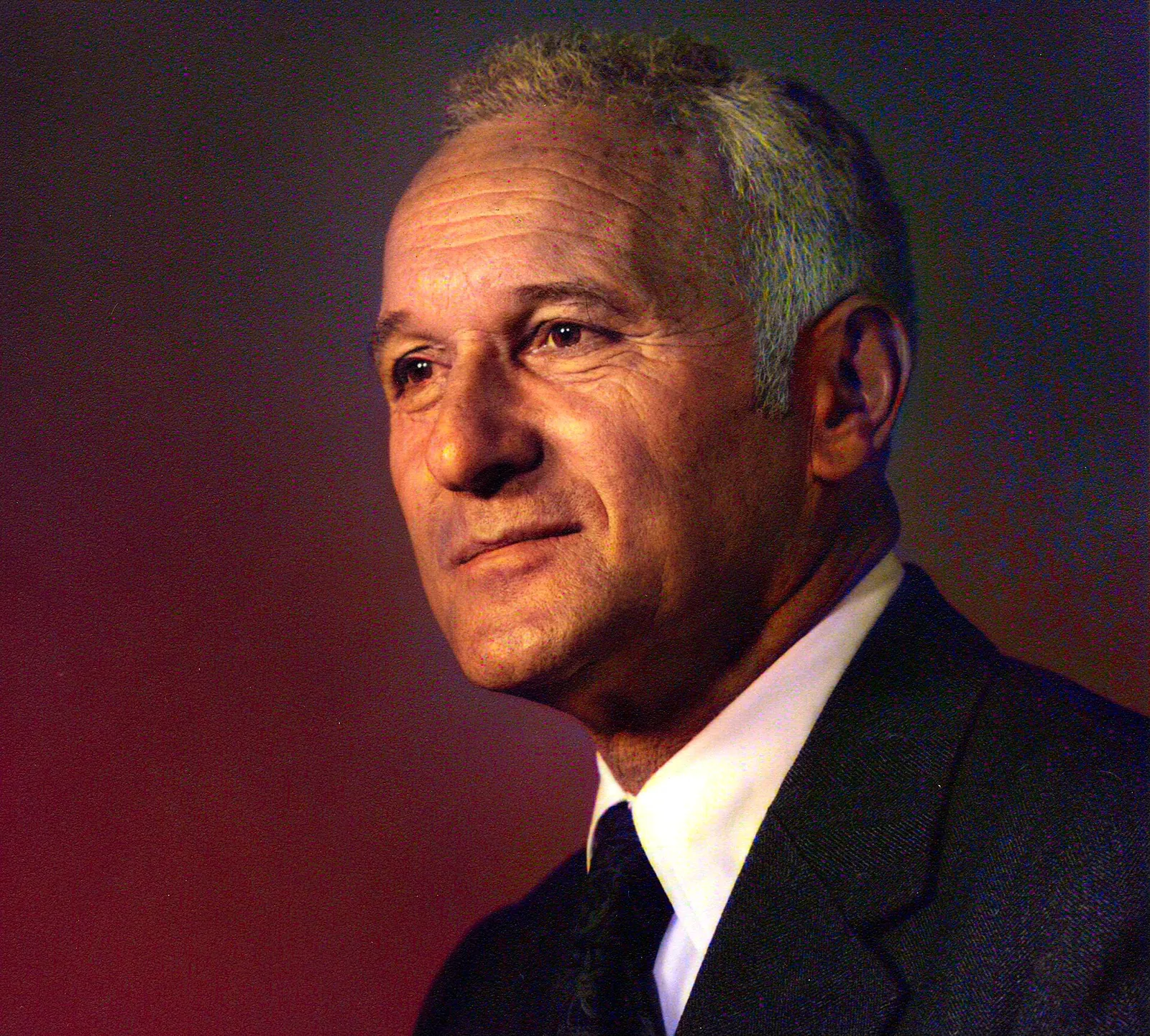
Sidney Gottlieb, 1918 to 1999
A war for minds.
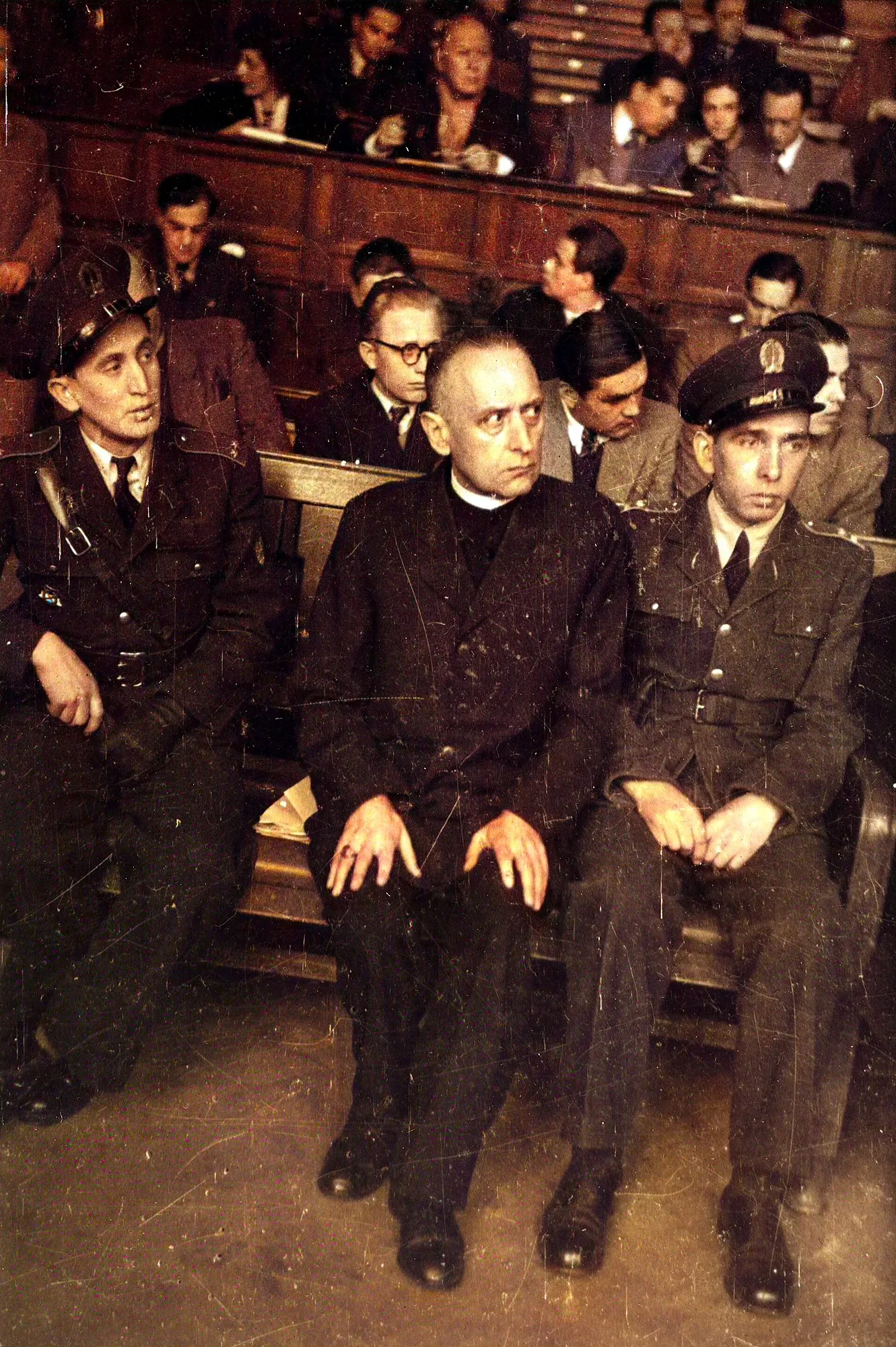
In September 1950 a journalist named Edward Hunter introduced Americans to a new word: brainwashing. It seemed to explain things that terrified Washington. A Hungarian cardinal confessed at a show trial in 1949 in a flat, rehearsed voice. Captured American airmen in Korea confessed on camera to germ warfare. When the war ended in 1953, 21 American prisoners chose to stay with the communists.
On April 10, 1953, CIA Director Allen Dulles warned in a speech that the Soviets were waging brain warfare. Three days later he approved MKULTRA and allowed it to skip the normal paperwork. A chemist named Sidney Gottlieb ran it from 1953 until it ended in 1964. The stated purpose was defensive: learn the enemy's method before it was used on Americans.
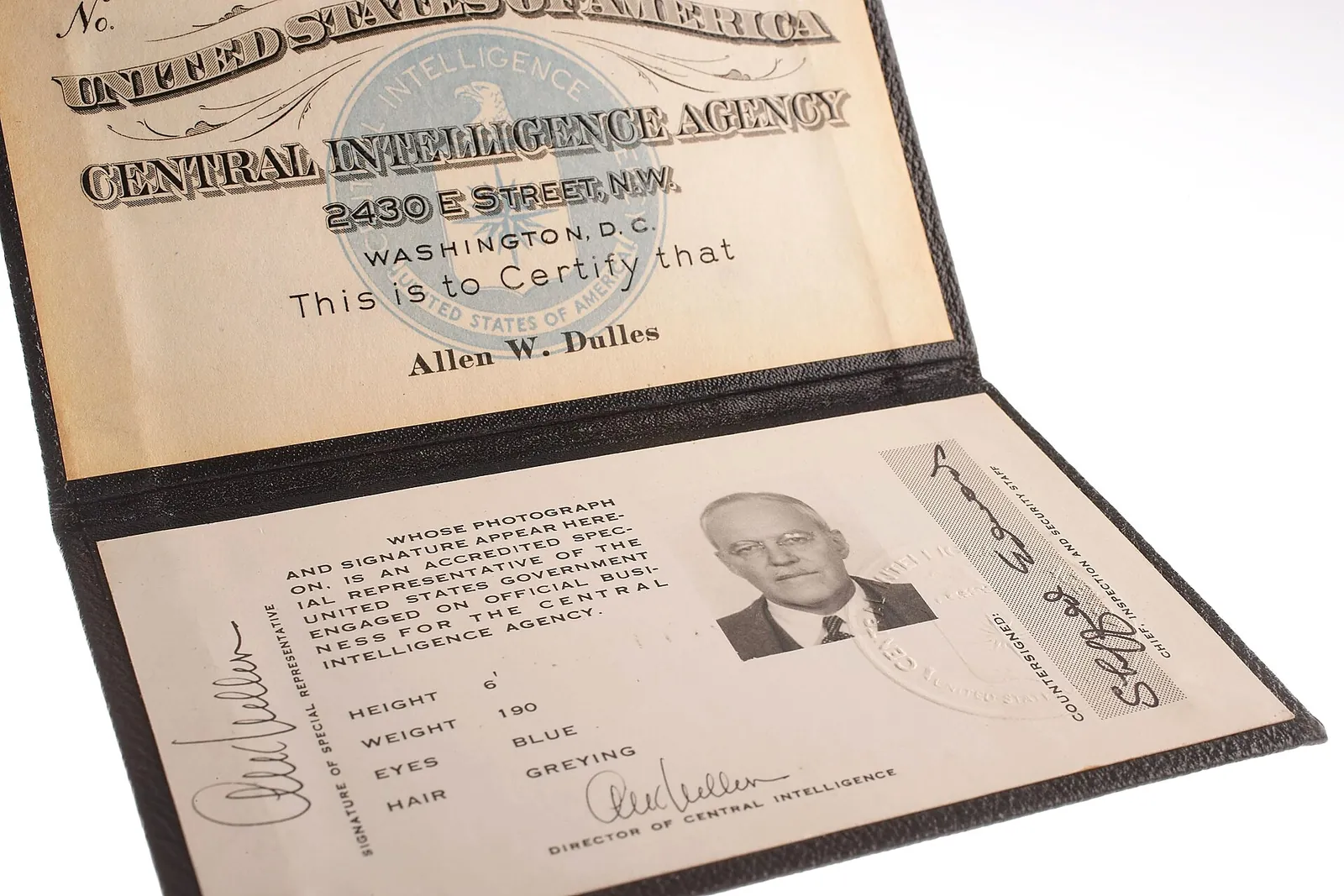
Allen W. Dulles, Director of Central Intelligence from 1953 to 1961. He approved MKULTRA on April 13, 1953. The CIA itself later released his ID card to the public. It released almost nothing from the program he approved.
The gift that was not a gift.
The 1977 hearing described this project in detail. The CIA sent 375,000 dollars to a private medical institution's building fund. The agency's top management approved it, and its own lawyer wrote an opinion saying it was legal. Walk the money through the chain one step at a time. Then turn on the second layer and see who knew where it came from.
Eighty doors.
The 1977 hearing counted 80 institutions that took MKULTRA money. Admiral Stansfield Turner, the CIA Director in 1977, called their names the most important new information in the recovered files, and then refused to release them. Many of the scientists, he said, never knew who was paying. Press a category to light it up. Then press the last button.
Missing on purpose.
In 1963 the CIA's own Inspector General reviewed MKULTRA and wrote that present practice is to maintain no records of the planning and approval of test programs. The most important decisions were never written down. Then in January 1973, on the order of Director Richard Helms, the operational files were destroyed. The Rockefeller Commission later counted 152 files gone. What survived was mostly accounting paper stored somewhere else. Every claim this week stands on that paper, and every claim has to be measured against it.
November 1953. A scientist inside the program is handed a glass of Cointreau.
- U.S. Senate, Project MKULTRA, the CIA's Program of Research in Behavioral Modification, Joint Hearing before the Select Committee on Intelligence and the Subcommittee on Health and Scientific Research, August 3, 1977.
- Commission on CIA Activities Within the United States, Report to the President, June 1975, Chapter 16.
- Stephen Kinzer, Poisoner in Chief: Sidney Gottlieb and the CIA Search for Mind Control, Henry Holt, 2019.
- Edward Hunter, Miami Daily News, September 1950. Allen Dulles, address at Princeton, April 10, 1953.
- Photographs: Sidney Gottlieb / Allen W. Dulles identification card, released by the Central Intelligence Agency / the Mindszenty trial, 1949. Public domain via Wikimedia Commons.
- The memo at the top of this page is a summary written for this lesson, not a reproduction of a real document.