They injected dying patients
During the atomic bomb project the government injected dying patients with plutonium to see what it would do to them, then buried the evidence. Thousands of Americans got the same treatment.
Some of that post comes straight out of the government's own files. Some of it falls apart once you read those files closely. A newspaper reporter in Albuquerque read them first, one code number at a time.
Eighteen code numbers
In July 1987 Eileen Welsome, a reporter at the Albuquerque Tribune, was reading declassified reports on radioactive animal waste at Kirtland Air Force Base. Then her eye fell on a footnote. It mentioned eighteen people who had been injected with plutonium.
“Whenever a company wants to put in the bad news, it's always in a footnote.”
Eileen Welsome, 2004The eighteen had no names, only codes. Welsome wrote each one at the top of its own yellow sheet of paper and filled in whatever the reports gave up: age, date of injection, disease, date of death. Then she filed Freedom of Information requests. The story took her six years.
- HP-12Oak Ridge
- CHI-1Chicago
- CAL-1San Francisco
- HP-1Rochester
- HP-2Rochester
- HP-3Rochester
- HP-4Rochester
- HP-5Rochester
- CHI-2Chicago
- CHI-3Chicago
- HP-6Rochester
- HP-7Rochester
- HP-11Rochester
- HP-8Rochester
- HP-9Rochester
- CAL-2San Francisco
- HP-10Rochester
- CAL-3San Francisco
HP · “human product”CHI · ChicagoCAL · California
The whole supply in one vial
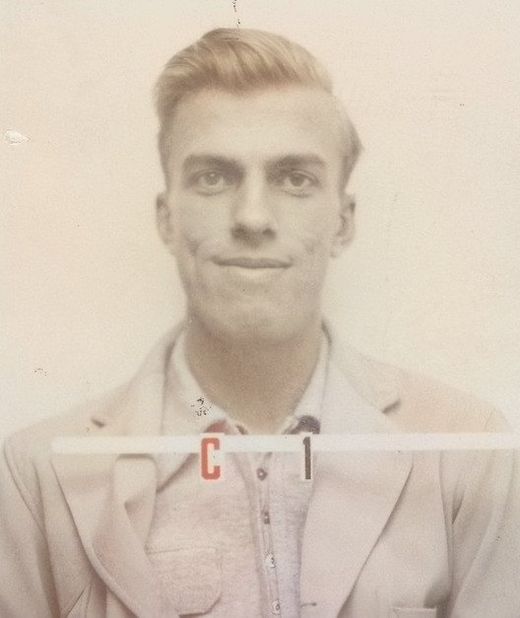
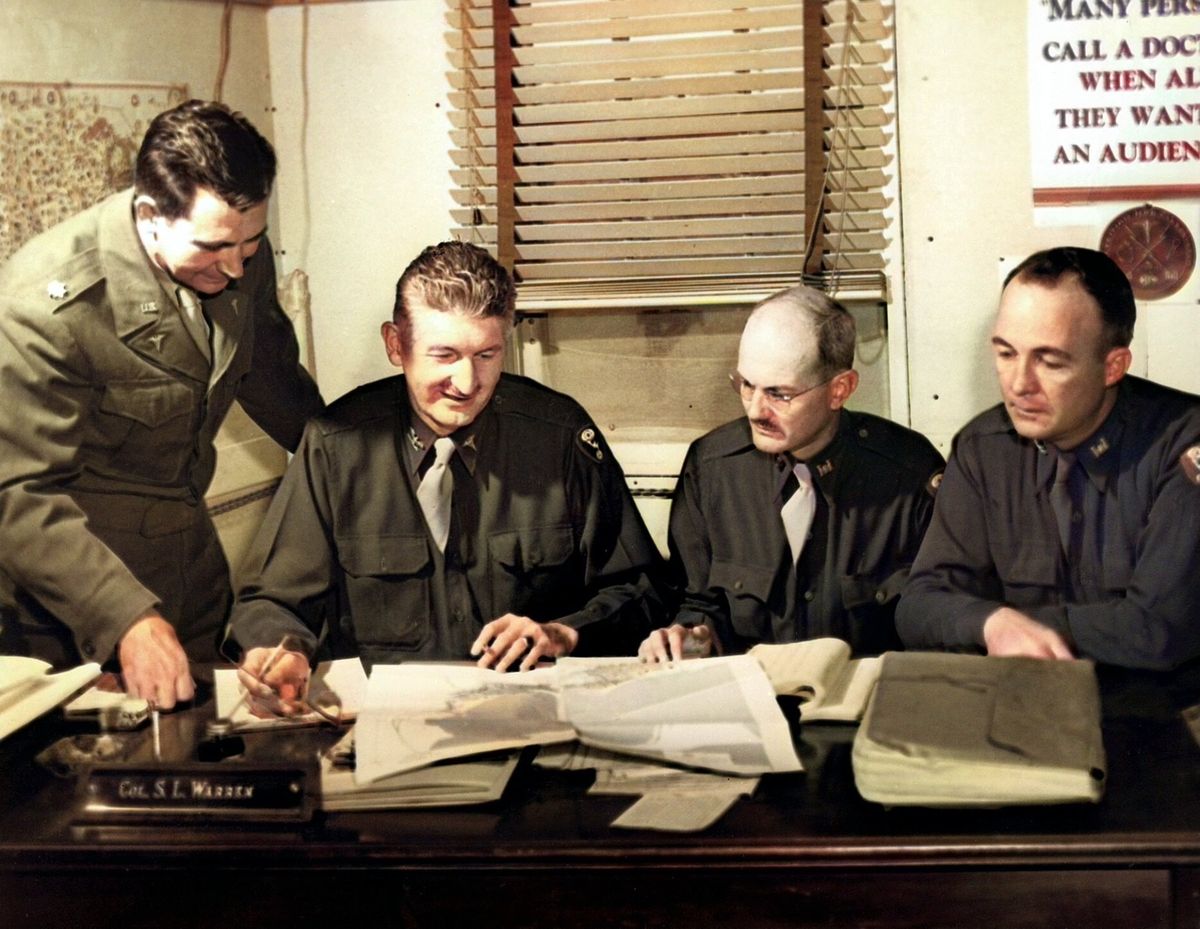
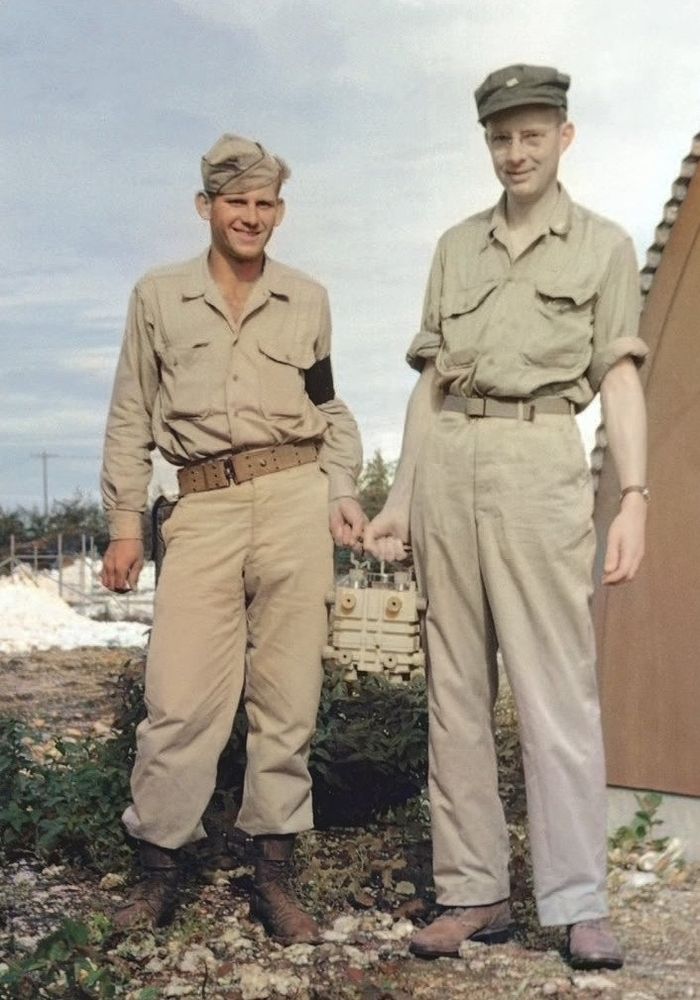
In August 1944 a 23 year old chemist named Don Mastick was holding a glass vial with ten milligrams of plutonium, the entire supply at Los Alamos. The vial burst and sprayed acid solution into his face and mouth. Louis Hempelmann, the lab's health director, pumped his stomach, and Mastick recovered the plutonium from what came up. It was too valuable to lose.
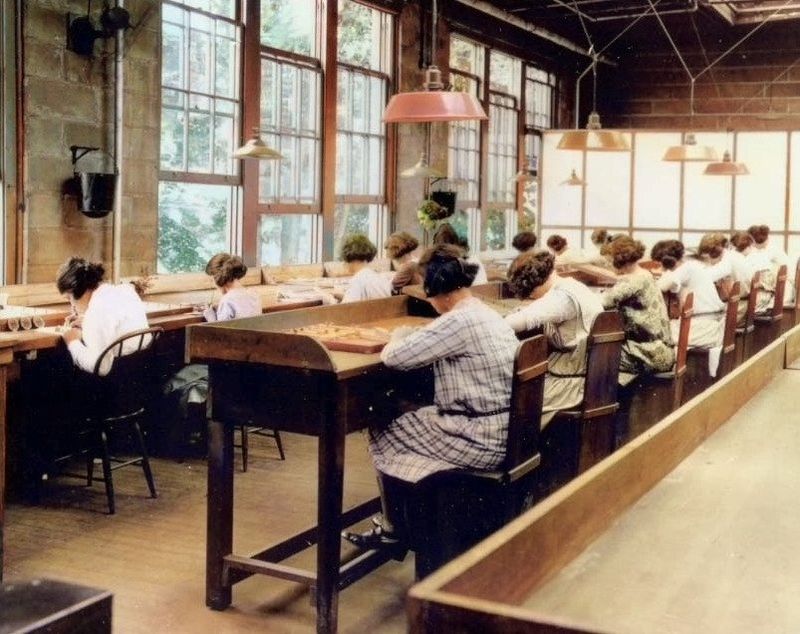
Nobody could tell how much was still inside him, or inside the hundreds of workers who would soon make plutonium by the pound. Everyone knew the warning. In the 1920s women who painted glowing watch dials licked their brushes to a point, and years later many developed bone disease and cancer. Plutonium also settles in bone.
The fix was a human tracer study. Inject a known amount into a person and measure how much leaves in urine and feces each day. With that ratio a doctor could read a worker's urine sample and estimate what was still inside. On August 16, 1944, J. Robert Oppenheimer approved the research with one line about human studies: “I feel that it is desirable if these can in any way be handled elsewhere not to undertake them here.”
Pick an amount.
Nobody was expected to feel sick from amounts this small, and nobody did. The fear was cancer ten or twenty years later. That fear shaped who the doctors picked.
The first shot went to a man with broken bones
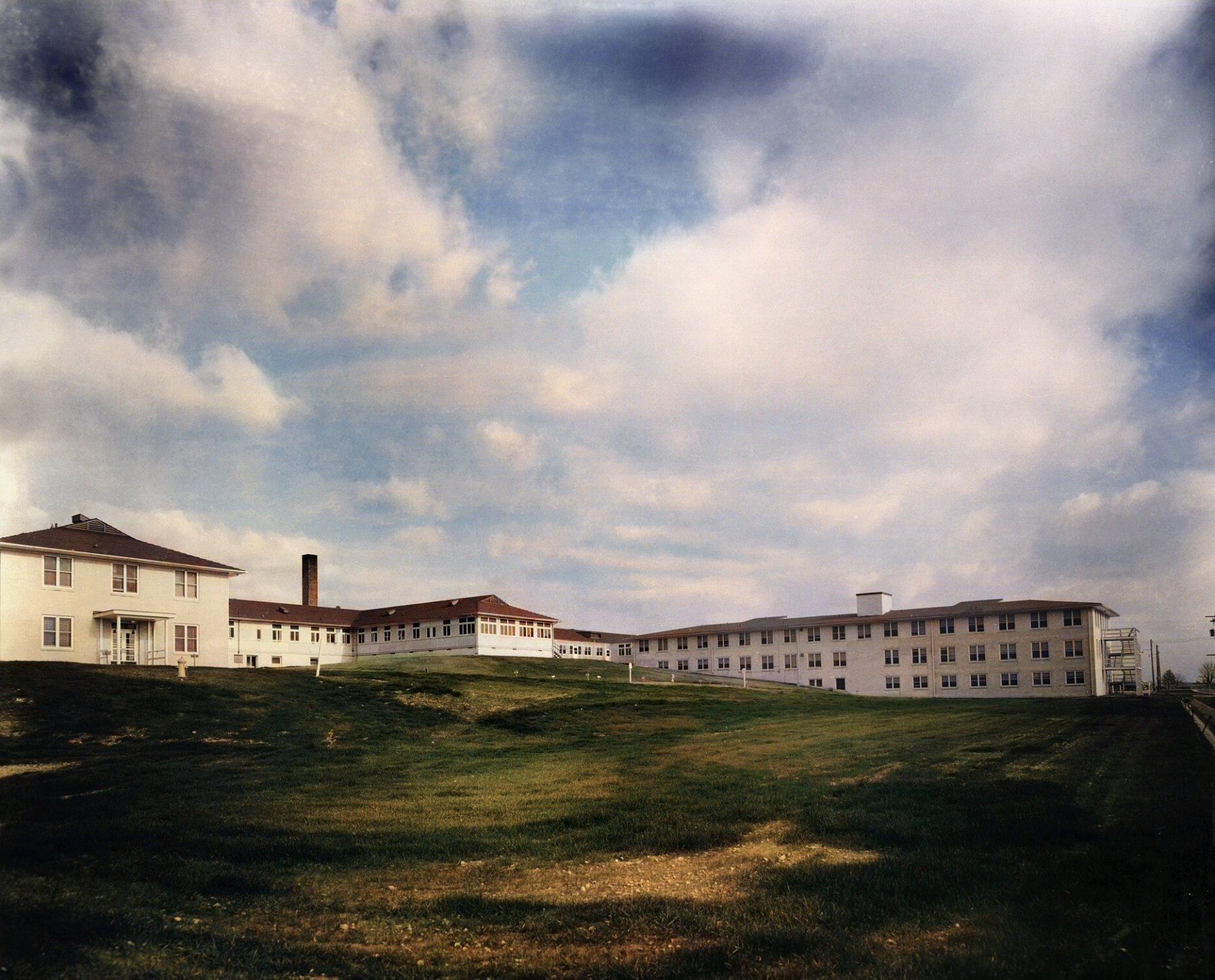
On March 24, 1945, a cement mixer named Ebb Cade was hurt in a car crash and taken to the Army hospital in Oak Ridge, the secret city built to make fuel for the bomb. He was a 53 year old Black construction worker with a broken arm and a broken leg. His chart called him “well developed [and] well nourished.” He told his doctors he had always been in good health.
On April 10, still waiting for his bones to be set, Cade became HP-12 and was injected with 4.7 micrograms of plutonium. Surgeons set his bones five days later and took bone samples for the lab. Fifteen of his teeth were pulled and tested too.
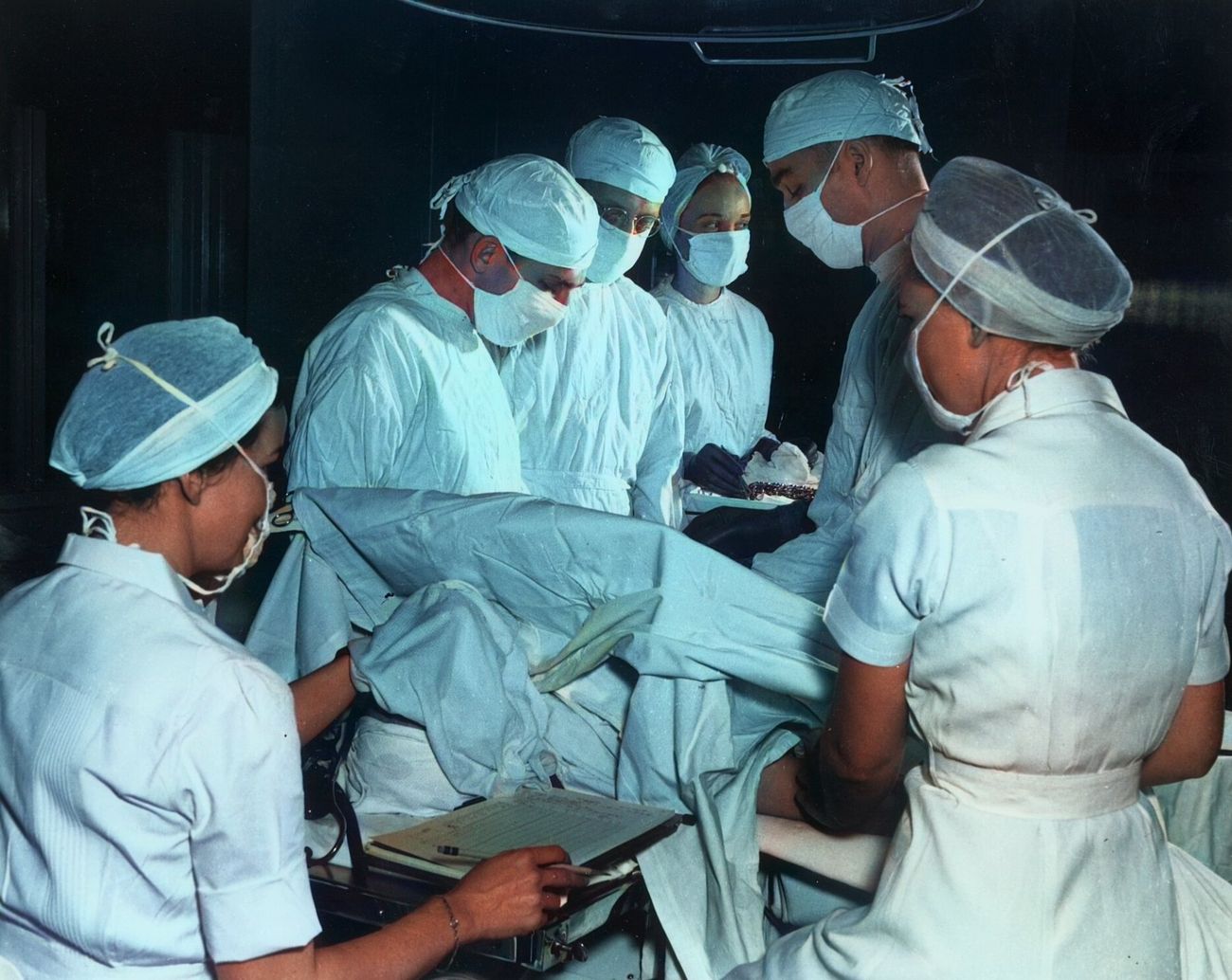
The next day Hymer Friedell, deputy medical director of the Manhattan Project, wrote to Los Alamos: “Everything went very smoothly, and I think that we will have some very valuable information for you.” In 1974 the Army doctor Joseph Howland said he gave the shot without consent, on Friedell's written order. Friedell denied it.
One morning a nurse opened Cade's door and found him gone. He died of heart failure in Greensboro, North Carolina, in 1953. In 1950 Wright Langham of Los Alamos had asked Oak Ridge to find him and keep its “eyes open for a possible autopsy.”
The cancer that wasn't
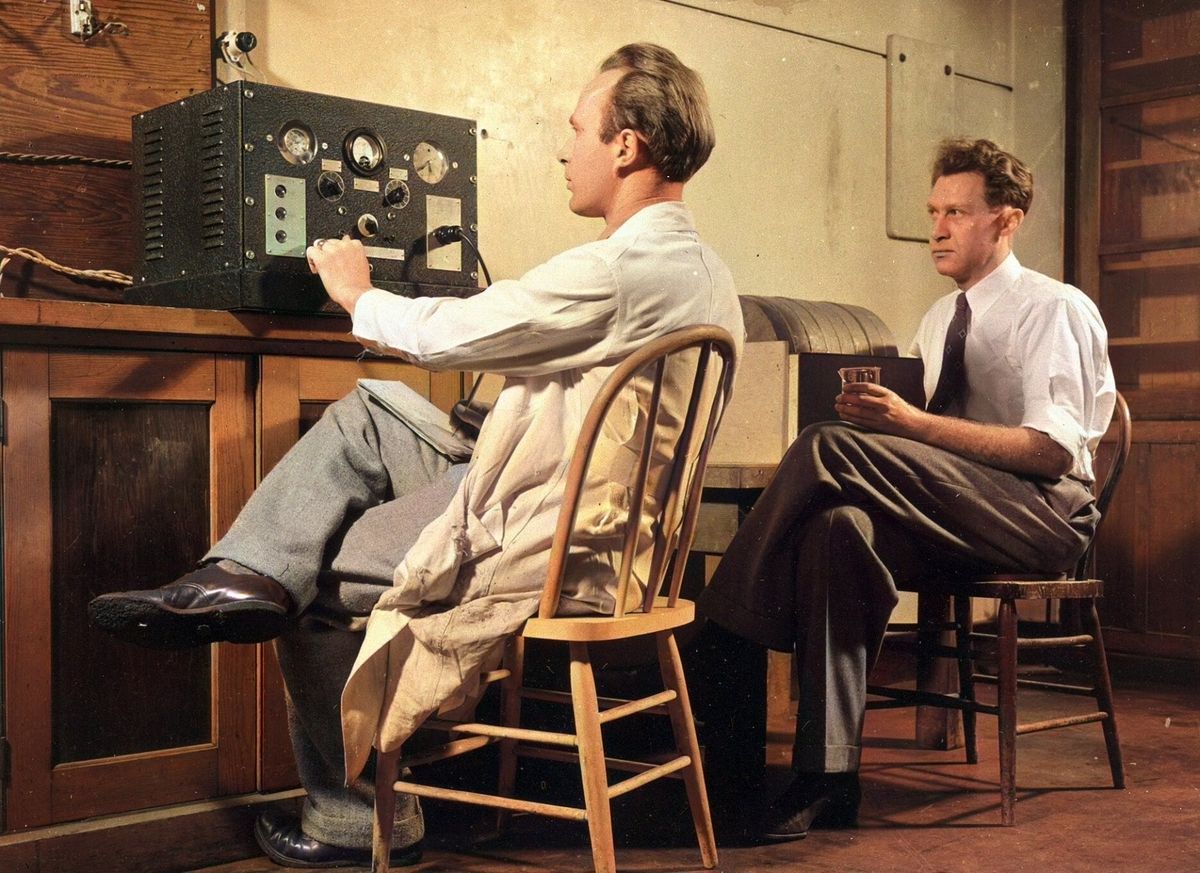
Joseph Hamilton ran the plutonium work at Berkeley's Radiation Laboratory. On May 10, 1945, he told the Manhattan Project he was waiting for “a suitable patient.” Four days later Albert Stevens, a 58 year old house painter from Healdsburg, became CAL-1 at the university hospital in San Francisco. His doctors believed he had advanced stomach cancer.
His shot included plutonium 238, which throws off radiation roughly 280 times faster than the plutonium in the bomb and made his samples easier to measure. Four days later surgeons operated, and pieces of rib and spleen went to the lab. The tumor was a benign ulcer. He had never had cancer.
When Stevens talked about moving away, which would end the daily collection of his urine and stool, Hamilton asked permission to “pay the man fifty dollars per month” to stay. Kenneth Scott, the Berkeley researcher who analyzed the samples, said in 1979 that Stevens was paid. He also said nobody told Stevens what had been done.
“His sister was a nurse and she was very suspicious of me. But to my knowledge he never found out.”
Kenneth Scott, oral history, 1979Stevens lived almost 21 more years. Because the plutonium sat in his bones all that time, he received the highest dose of the eighteen, about 6,400 rem, which a 1995 Los Alamos study put at 858 times the background radiation of an average American over the same years.
“Highly improbable”
Eleven of the shots were given at the University of Rochester. In a 1950 report Langham wrote that the patients were usually past middle age and “suffering from chronic disorders such that survival for ten years was highly improbable.” Later he called them “terminal.”
Ten years was the safety plan. Plutonium cancer was expected to take that long, so a patient who died first could not be hurt. But Rochester wanted patients whose organs worked like a healthy worker's, so it skipped cancer patients and chose people with long illnesses.
How many of the eighteen do you think lived longer than ten years after their shot?
Set your guess, then run the years. A pink mark on each line sits ten years after that patient's shot.
Open a chart
All eighteen in a table
| Case | Shot | Age | Lived | Total dose |
|---|
Dates, survival, dose and conditions from the 1995 Los Alamos table of the eighteen patients. Names appear only where the Advisory Committee's report attaches a name to a case number. The Advisory Committee gives Ebb Cade's age as 53. The Los Alamos table lists 55.
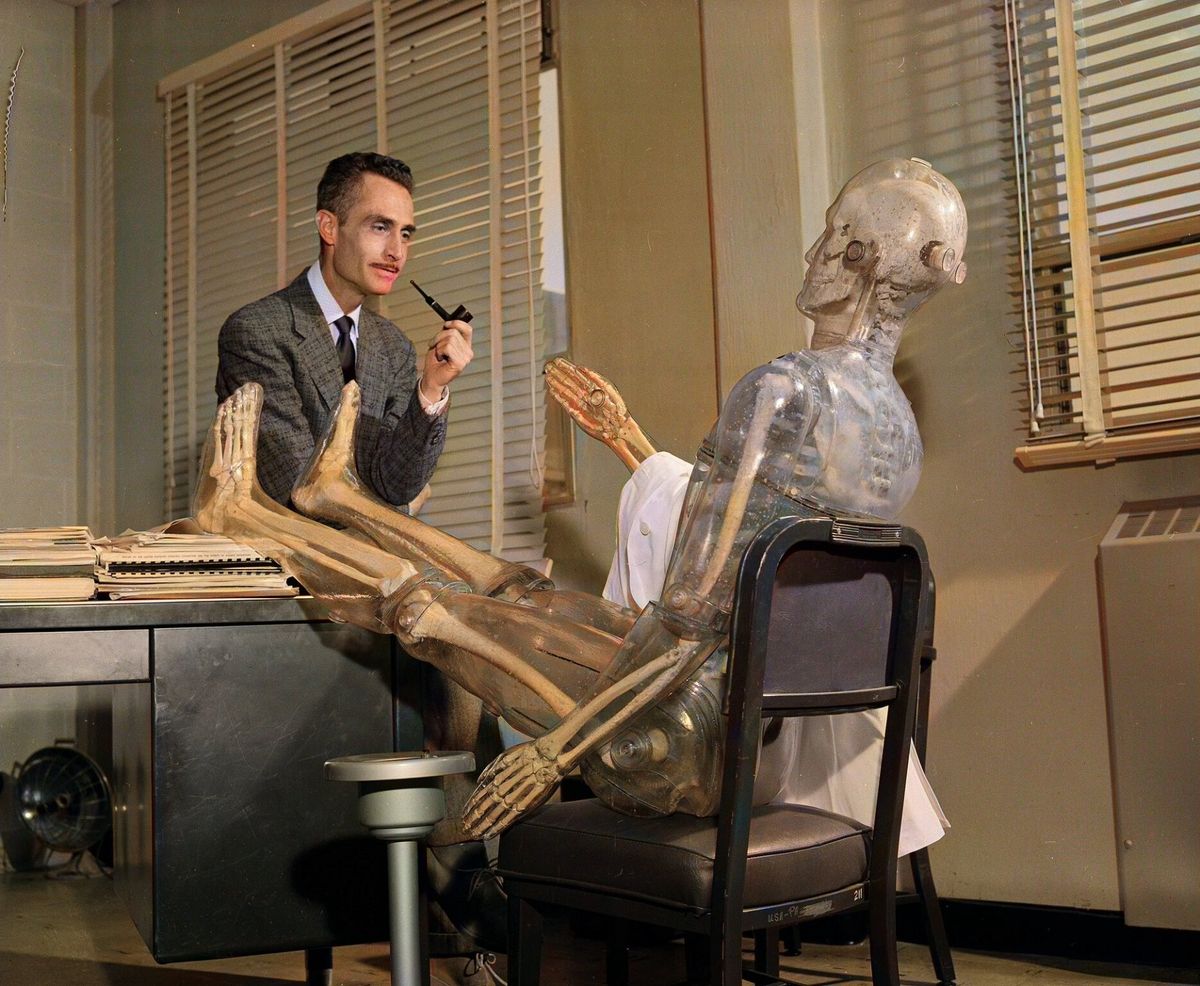
“My mother, Jan Stadt, had a number, HP-8. She was injected with plutonium on March 9th, 1946. She was forty one years old, and I was eleven years old at the time. My mother and father were never told or asked for any kind of consent to have this done to them.”
Milton Stadt, to the Advisory Committee, Santa Fe, January 30, 1995“The most dangerous”
On January 1, 1947, the civilian Atomic Energy Commission took over the bomb program and its files. One was a Chicago report on two injected patients that a Manhattan Project doctor wanted released. The AEC's declassification staff read it first.
Each dotted phrase gives a reason to keep the reports secret. Tap a phrase to cycle through the labels, then check your labels against the record.
The document appears to be the most dangerous since it describes experiments performed on human subjects, including the actual injection of the metal plutonium into the body. … It is unlikely that these tests were made without the consent of the subjects, but no statement is made to that effect and . Unless, of course, the legal aspects were covered by the necessary documents, the experimenters and the employing agencies, including the U.S., have been which would, .
It is desired that no document be released which refers to experiments with humans and . Documents covering such work should be classified as secret.
Five phrases. None labeled yet.
That July, Argonne's directors said releasing the reports would do no harm to “the national interests.” The AEC held them anyway. The same year it wrote rules for future experiments: some hope of benefit to the patient, and two doctors certifying in writing that the patient understood and agreed. All seventeen shots given before then broke both rules, so the reports stayed locked. Langham's full 1950 plutonium report stayed out of public reach until 1971.
Never use the word
Elmer Allen was the last. A 36 year old Black railroad porter with suspected bone cancer, he was injected in the left calf in San Francisco on July 18, 1947. Three days later his leg was amputated. Two doctors signed a note that the experiment was “explained to the patient, who agreed to the procedure.” Nothing says he was told the shot could not help him.
In December 1972 Argonne National Laboratory's Center for Human Radiobiology, which studied the old radium dial painters, planned to test the survivors and exhume the dead. Robert Rowland of the center wrote down the rule.
“Outside of CHR we will never use the word plutonium in regard to these cases.”
Robert Rowland, Argonne memo, December 1972In 1974 an AEC investigation finally told two Rochester survivors, Eda Charlton and John Mousso, what had been injected.
“He was asked to sign his name several times while a patient at the University of California hospital in San Francisco. Why was he not asked to sign his name permitting scientists to inject him with plutonium?”
Elmerine Whitfield Bell, to the Advisory Committee, March 15, 1995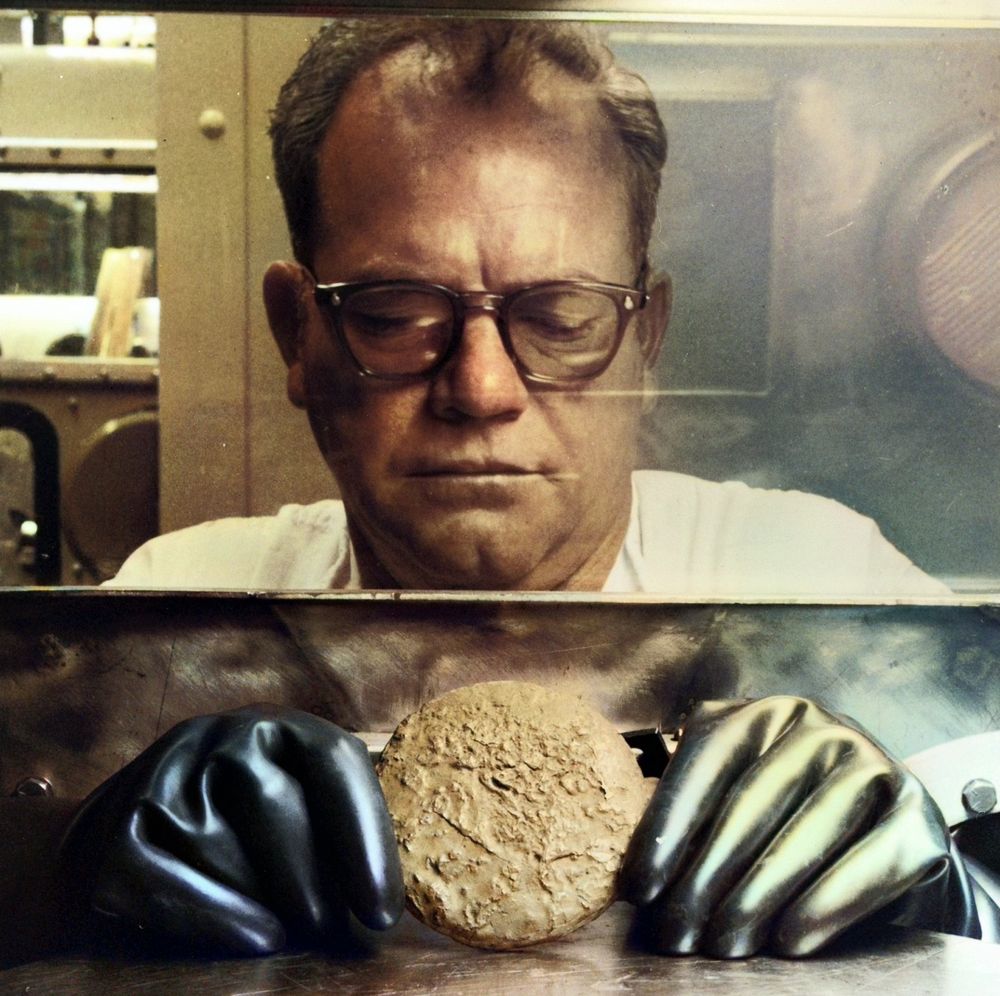
“Appalled, shocked and deeply saddened”
Welsome's three part series ran in November 1993 in a paper with about 35,000 readers. She named five of the eighteen: Elmer Allen, Albert Stevens, Fred Sours, John Mousso and Eda Schultz Charlton.
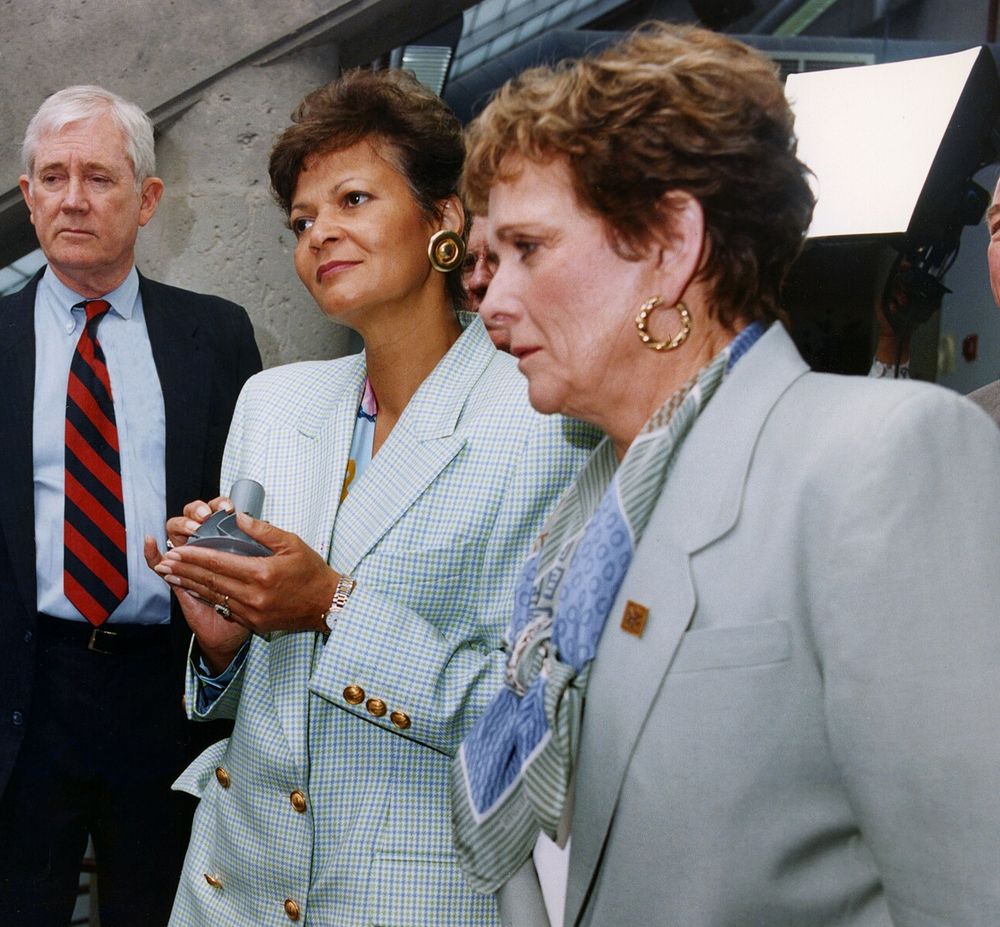
On December 7, 1993, Energy Secretary Hazel O'Leary faced reporters. What she had learned “with respect to these 18 citizens of our country,” she said, “leaves me appalled, shocked and deeply saddened.” She repeated what one patient's daughter had said, that her father “would probably have known as much about iced-cream as he knew about plutonium.”
In January 1994 President Clinton appointed the Advisory Committee on Human Radiation Experiments. It found nearly 4,000 radiation experiments the government paid for between 1944 and 1974. Most were small tracer studies “unlikely to have caused physical harm.” Others were not, from total body radiation of cancer patients in Cincinnati to tracers fed to boys at the Fernald School in Massachusetts.
“The United States of America offers a sincere apology to those of our citizens who were subjected to these experiments, to their families, and to their communities.”
President Bill Clinton, accepting the committee's report, October 3, 1995In March 1997 the government announced settlements with the families of sixteen of the eighteen, plus one uranium case, about $6.5 million in all.
Rule on the post
The post at the top of this page makes five claims. Pick a verdict and the evidence that settles each one best, then file it.
Five claims. None filed yet.
Make the argument
150 to 200 words. Pick one prompt and use evidence from at least two numbered entries.
When you are finished, copy everything and paste it into the Classroom assignment. Your work saves in this browser as you type.