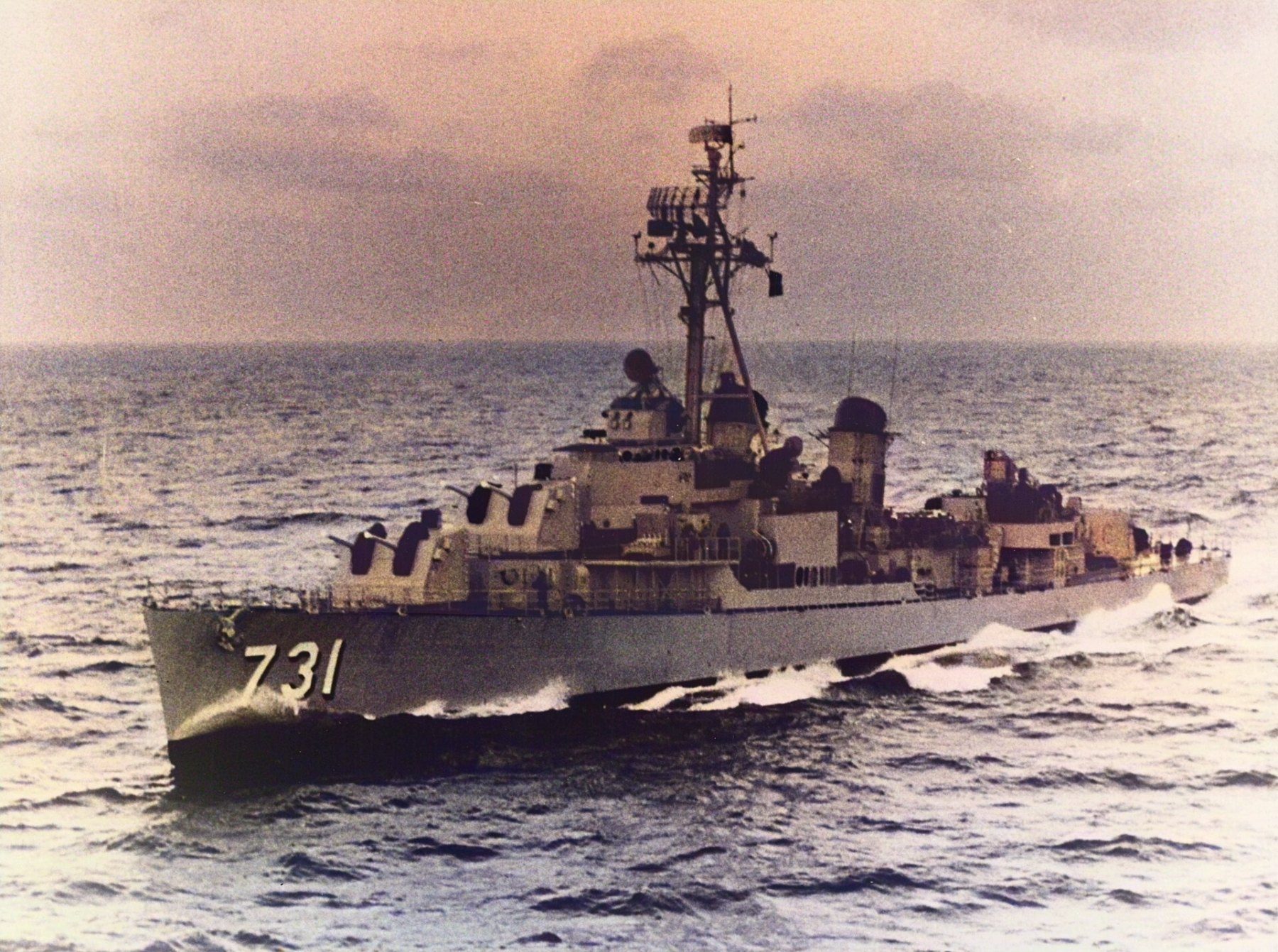
Type "Gulf of Tonkin" into a search bar and one claim keeps coming back: the United States faked an attack to start the Vietnam War. Part of it is true. Sorting out which part took 41 years.
In August 1964 more than 16,000 American military advisers were already in South Vietnam. Two American destroyers off the coast reported two attacks in three days. The first attack happened. The second existed on radar screens and in sonar headphones, and on the strength of it Congress gave President Lyndon Johnson the power to fight a war.
Read the record the way the National Security Agency's own historian finally did, one document at a time.
The attack that happened
The destroyer USS Maddox carried a secret in 1964. Bolted to its deck sat a steel van full of radio receivers and Navy listeners who intercepted North Vietnamese military radio traffic while the ship cruised the coast. The public did not know the mission existed.
On July 30, South Vietnamese commandos trained and paid by the United States raided Hon Me Island off the North Vietnamese coast. The Maddox had no part in the raid, but two days later it was steaming past the same island.
On Sunday afternoon three torpedo boats came out after it. At about 3:05 PM the Maddox fired three warning shots, which the Johnson administration never mentioned. The boats fired torpedoes that missed and sprayed the destroyer with machine guns. Within fifteen minutes four Navy jets from the carrier Ticonderoga shot up all three boats.
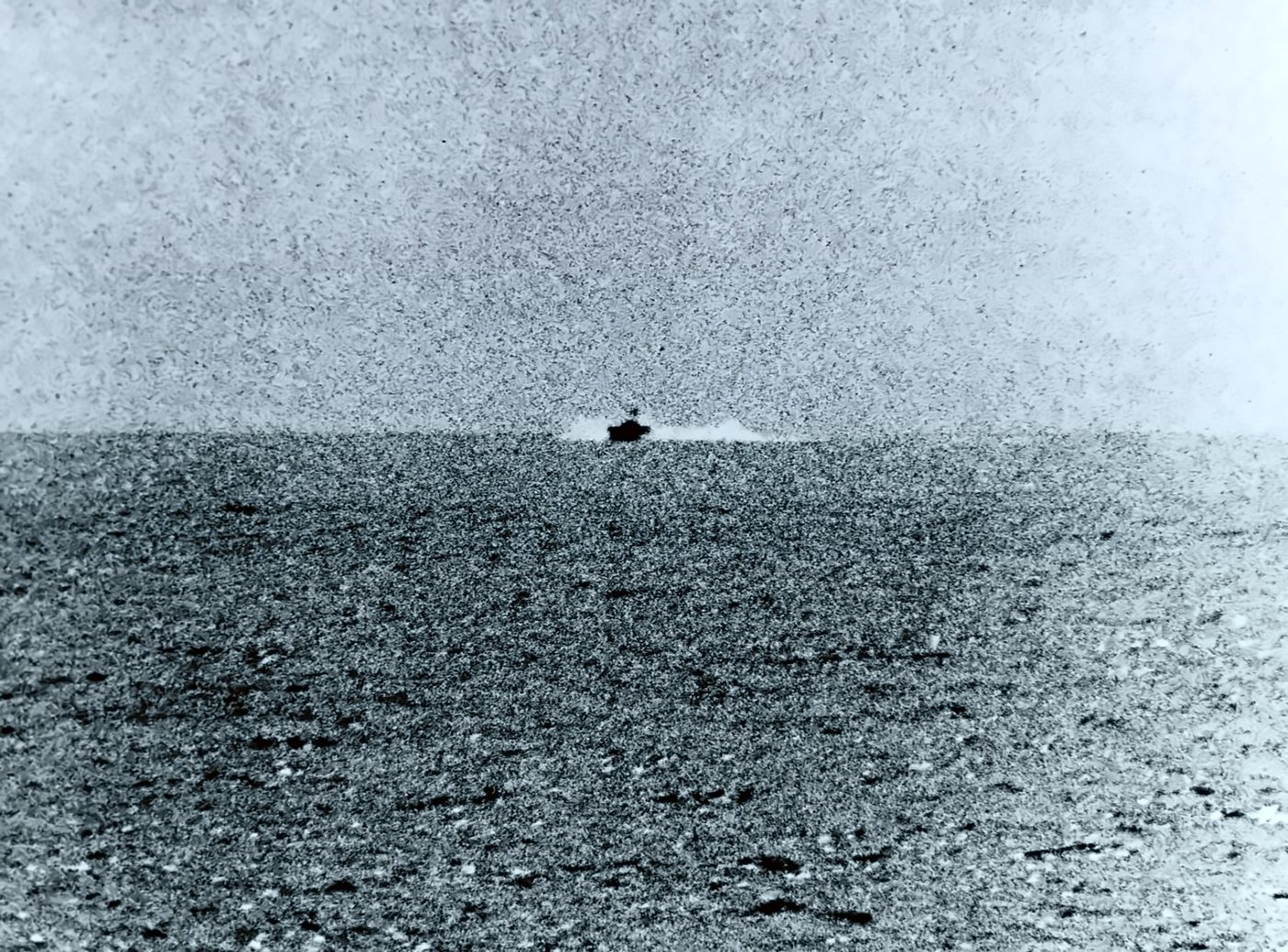
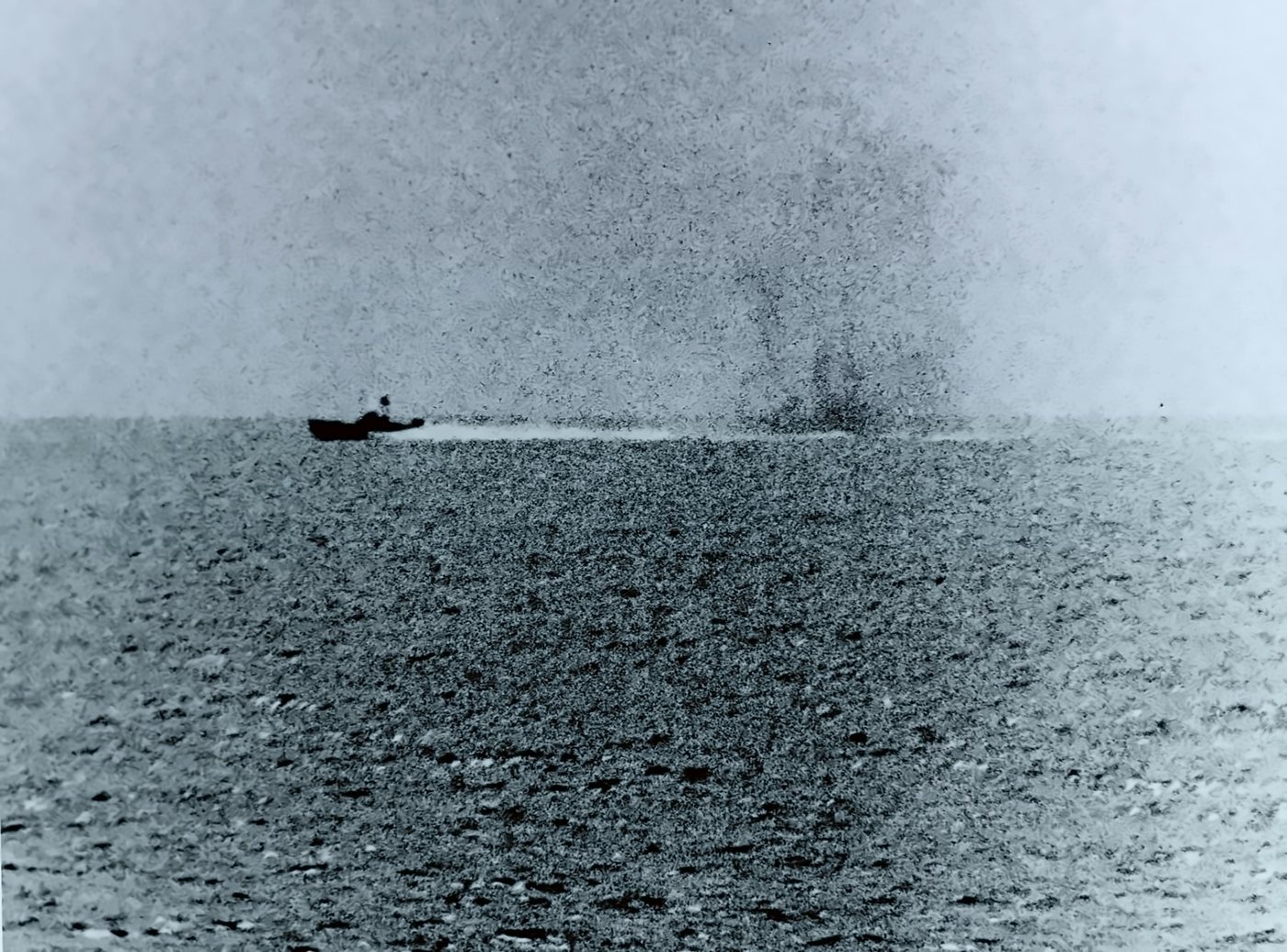
The Maddox took one bullet hole. One North Vietnamese boat limped home with four dead and six wounded sailors aboard. This fight left photographs, eyewitnesses, damage, casualties and a trail of intercepted North Vietnamese radio messages.
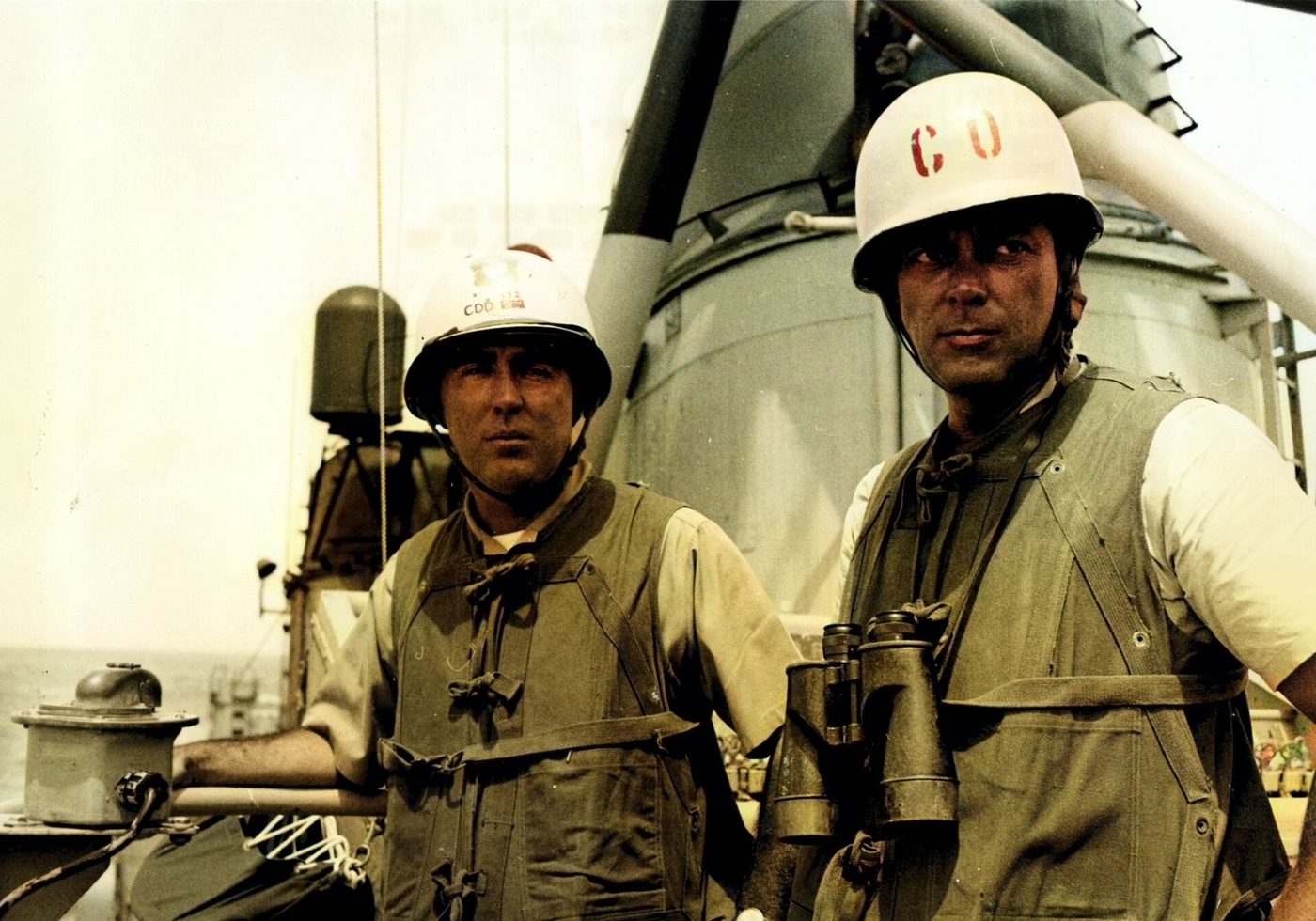
The attack on the radar
Washington sent the patrol back into the gulf with a second destroyer, the USS Turner Joy. On August 4 an American listening post intercepted a North Vietnamese order for boats to prepare for an operation. It named no target. Herrick read it as an ambush order.
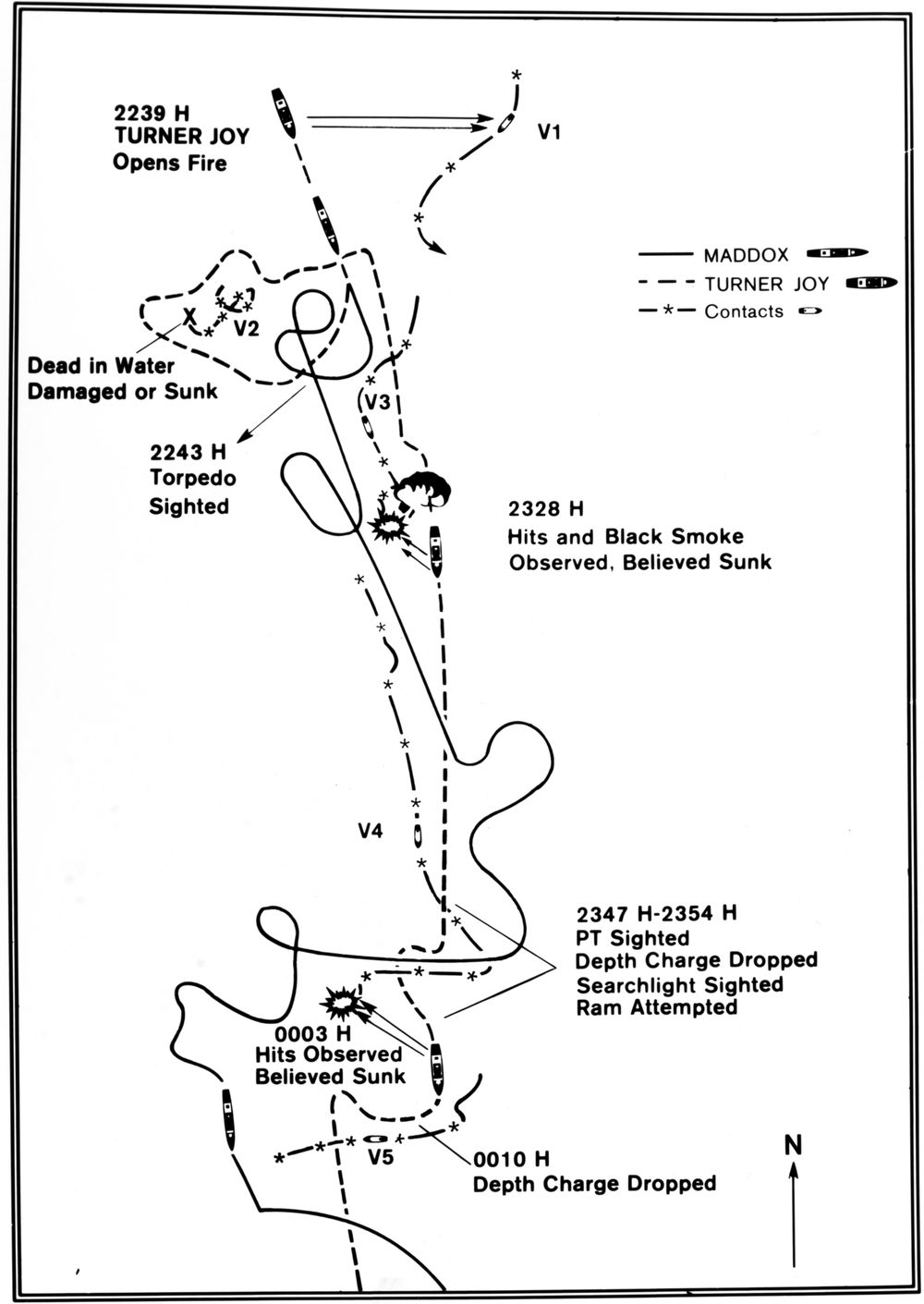
After dark, storms moved across the water and radar crews started seeing contacts. Work through the night the way the crews logged it.
Commander James Stockdale flew one of the jets sent to protect the destroyers, diving on every contact the ships called out. Twenty years later he wrote down what he saw.
No boats, no boat wakes, no ricochets off boats, no boat impacts, no torpedo wakes, nothing but black sea and American firepower.
James Stockdale, In Love and War, 1984 · a memoir written after the fact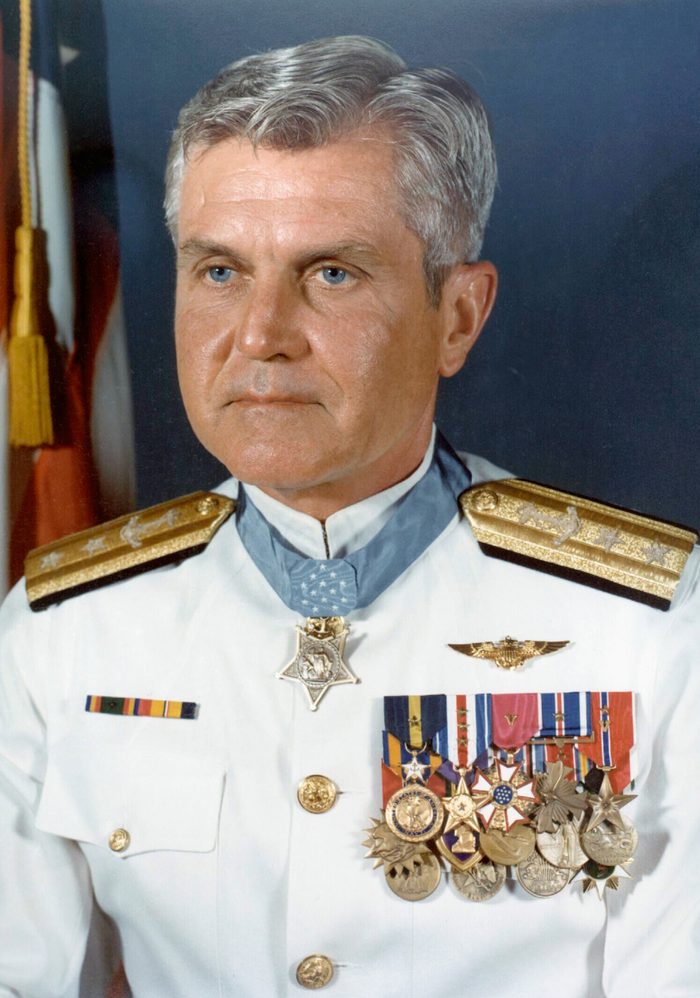
The crews were not lying. Men who had faced a real attack two days earlier were watching blotches flash on a radar screen in a storm, and they fired at them. The Maddox's gun director never locked onto a target and decided he had been shooting at waves. Nobody on either ship saw a boat for certain.
Herrick figured it out before sunrise and sent a message up the chain of command.
Review of action makes many reported contacts and torpedoes fired appear doubtful. Freak weather effects on radar and overeager sonarmen may have accounted for many reports. No actual visual sightings by Maddox. Suggest complete evaluation before any further action taken.
A second message added that the Maddox had "never positively identified a boat as such."
| Evidence | August 2 | August 4 |
|---|---|---|
| Photographs of enemy boats | Yes. Taken from the Maddox in daylight | ? |
| Boats seen by sailors | Yes. Three boats up close | ? |
| Boats seen by pilots | Yes. Four jets attacked all three | ? |
| Damage to U.S. ships | One bullet hole | ? |
| Enemy casualties | Four dead, six wounded on one boat | ? |
| Enemy radio messages about a fight | Yes. Orders and reports | ? |
Twelve hours behind
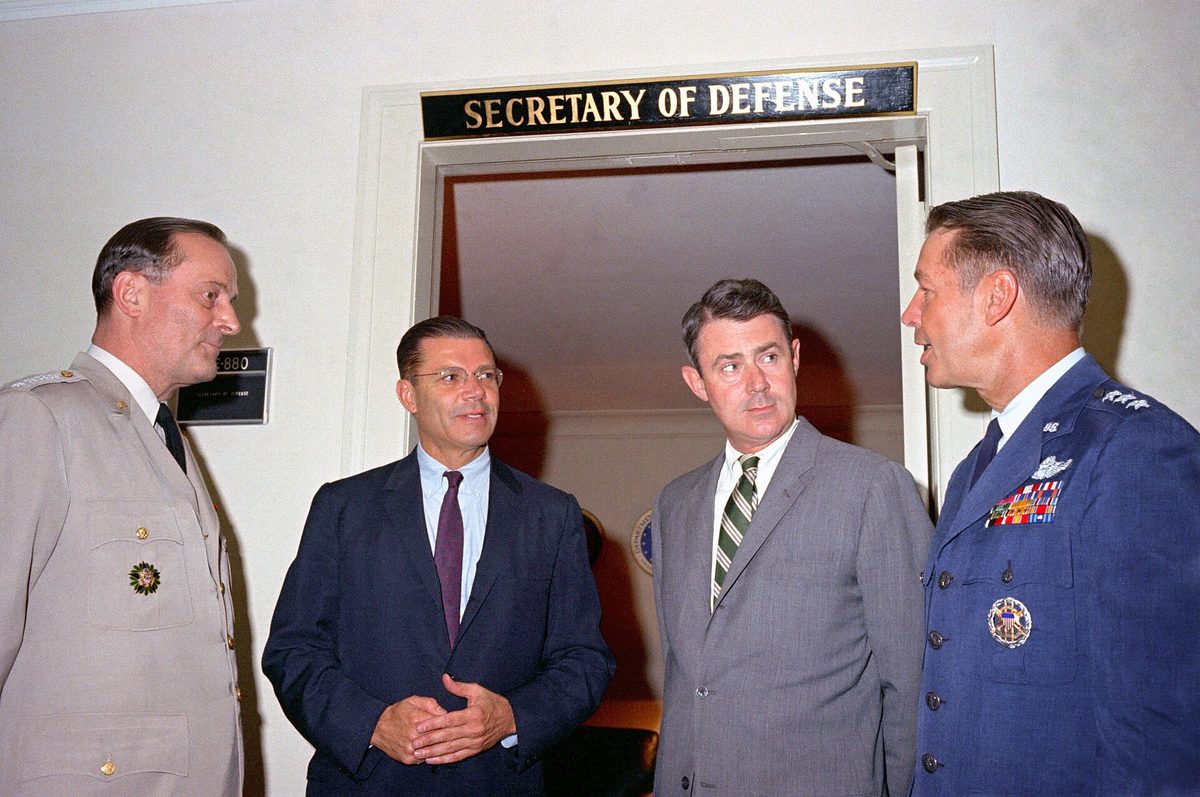
The Gulf of Tonkin runs twelve hours ahead of Washington, so the night fight played out during a Tuesday morning at the Pentagon. According to the NSA's later history, Johnson had approved a retaliatory air strike by early afternoon.
Herrick's doubt arrived at nearly the same moment. Secretary of Defense Robert McNamara phoned the Navy's Pacific commander, Admiral Ulysses S. Grant Sharp, who admitted there was "a little doubt on just what exactly went on." Then the NSA sent over a new intercept that read like a North Vietnamese battle report, including the line "we sacrificed two ships." Just before 5 PM McNamara and the Joint Chiefs of Staff agreed the attack had happened.
Most of that Tuesday stayed secret for decades. Move through the years and watch the public record of the day fill in.
- 9:12 AMMcNamara phones Johnson about an intercepted warning of a North Vietnamese boat operation.Public in 1971 · Johnson's memoir
- MorningFlash messages: the destroyers are under torpedo attack.Public in 1964
- Early PMHerrick's cable: contacts and torpedoes "appear doubtful." Suggest complete evaluation before any further action.Public in 1968 · Senate hearing
- AfternoonThe NSA translation arrives: "we sacrificed two ships." McNamara treats it as proof.Public in 1968 · McNamara's testimony
- 6:03 PMState Department cable to the embassy in Thailand: the President has decided an air strike "should be carried out at once."Public in 1992 · Foreign Relations of the United States
- 6:15 PMNational Security Council meets. One official asks whether anyone knows for a fact the attack took place.Public in 1992 · Foreign Relations of the United States
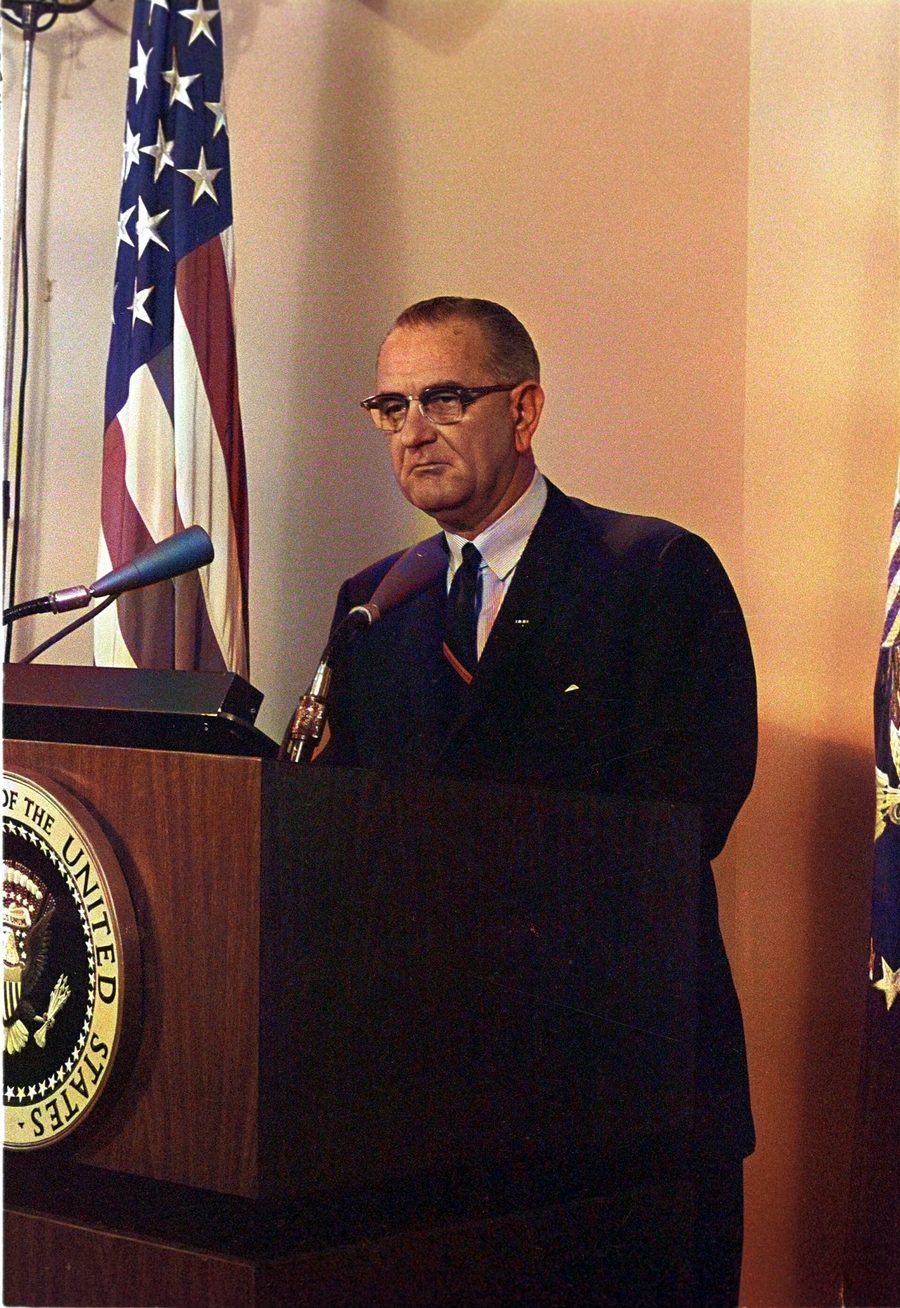
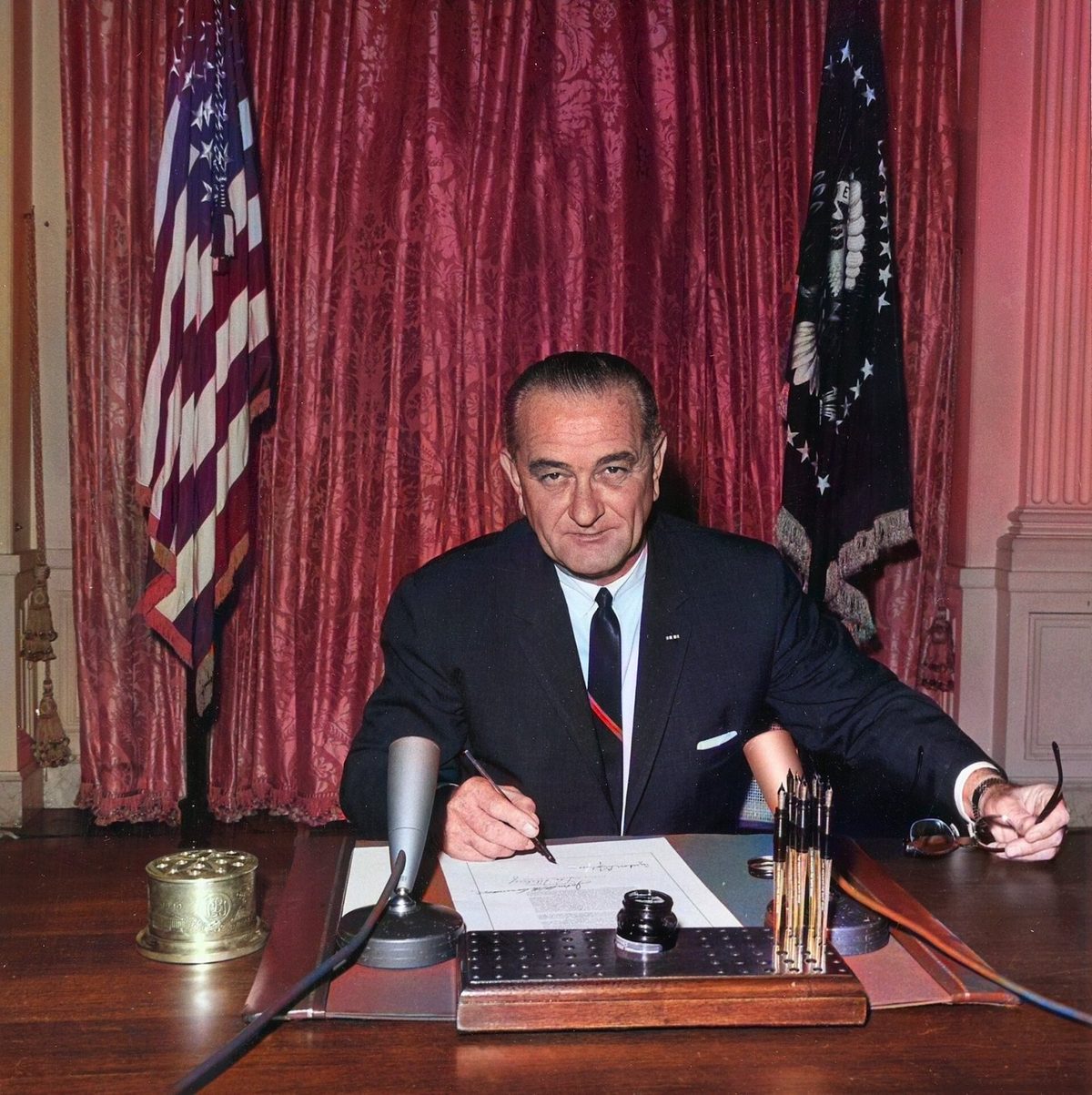
- 11:36 PMJohnson goes on television. The attack of August 2 "was repeated today."Public in 1964
- LaterThe NSA's own historian concludes no attack took place on August 4.Public in 2005 · National Security Agency
At the 6:15 meeting someone asked the right question and got an honest answer.
Rowan: Do we know for a fact that the North Vietnamese provocation took place? Can we nail down exactly what happened? We must be prepared to be accused of fabricating the incident.
McNamara: We will know definitely in the morning. As of now, only highly classified information nails down the incident.
The "highly classified information" was the NSA intercept. The meeting moved on to air strikes and a draft resolution for Congress.
Two votes against
The resolution Secretary of State Dean Rusk read at the 6:15 meeting was ready before anyone had checked the evidence. Eight weeks earlier, White House notes recorded McNamara's view that "in the event of a dramatic event in Southeast Asia we would go promptly for a Congressional resolution." The notes show an administration ready to use an incident if one came. They do not show a plan to create one.
Congress approves and supports the determination of the President, as Commander in Chief, to take all necessary measures to repel any armed attack against the forces of the United States and to prevent further aggression.
Tonkin Gulf Resolution, Section 1 · passed Aug 7, 1964Senators heard about two unprovoked attacks and nothing about Herrick's doubts. When Wayne Morse of Oregon asked about the commando raids, McNamara answered, "Our Navy played absolutely no part in, was not associated with, was not aware of, any South Vietnamese actions, if there were any." The House passed the resolution 416 to 0 and the Senate 88 to 2.
Senate · 88 yes · 2 no
House · 416 yes · 0 no
Two squares in the Senate are red. Select them.
The historian who opened the drawer
In 1968 McNamara told the Senate Foreign Relations Committee that the intercepts proving the second attack were "unimpeachable." In 1972 the NSA's deputy director privately admitted to a Senate staffer that the key intercept could refer to August 2. Then the question went quiet inside the agency.
Decades later an NSA historian named Robert Hanyok went back through the agency's own files and wrote "Skunks, Bogies, Silent Hounds, and the Flying Fish" for its classified journal. The NSA made the study public in November 2005.
Start with the message McNamara called proof. Select the marked phrases.
After the 135 had already started to report to you, we shot down two enemy planes in the battle area, and one other plane was damaged. We sacrificed two ships and all the rest are okay. The combat spirit is very high and we are starting out on the hunt and are waiting to receive assignment. The enemy ship could also have been damaged.
The listening station in the Philippines translated this intercept first. Switch versions to compare.
Hanyok concluded that analysts had most likely merged two separate North Vietnamese messages into one translation. One pointed back to August 2. The other came from observers watching the destroyers fire into the night. The Vietnamese original is missing from NSA files, and Hanyok could not explain why.
In October 1964 the NSA wrote an official chronology of the incident. For years it was the only NSA source handed to congressional investigators. Choose a view.
Hanyok's study makes two findings. The first is that no attack happened on August 4. North Vietnam's navy spent that night towing home boats damaged on August 2, unsure where the American ships even were. The second finding is the sentence most retellings leave out.
This mishandling of the SIGINT was not done in a manner that can be construed as conspiratorial, that is, with manufactured evidence and collusion at all levels.
Robert J. Hanyok, NSA Center for Cryptologic History · released Nov 2005 · SIGINT means intercepted signals intelligenceNobody forged a message. Analysts who believed the Navy had been attacked picked out the real fragments that agreed with them and left the rest in the drawer.
Johnson may have sensed it early. A few days after the speech, in a remark Hanyok quotes, he said, "Hell, those damn, stupid sailors were just shooting at flying fish." He never said it on television.
Stamp each claim
Each sentence below shows up in videos and posts about Tonkin. Pick a stamp, then compare it with the record.
150 to 200 words
When you are finished, copy everything and paste it into the Classroom assignment. Your work saves in this browser as you type.