They admitted they control the weather
The military admitted it secretly made rain during the Vietnam War. They have been controlling the weather ever since, and the white trails you see behind jets are the same program.
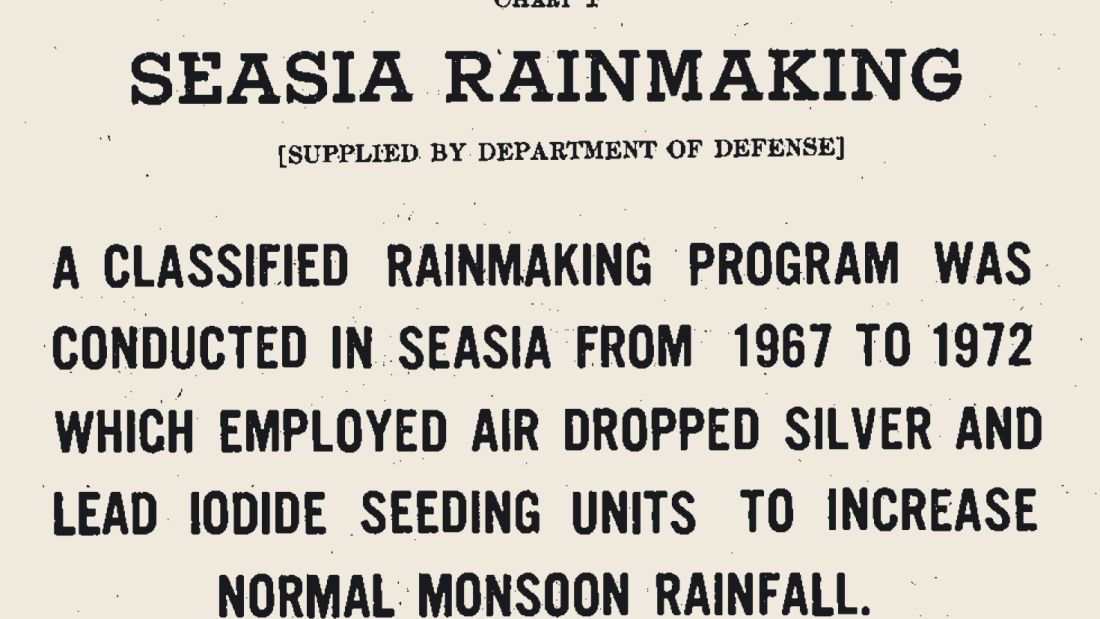
The first sentence is true. The government confirmed it in 1974 with maps, flight counts and a yearly price. This page follows the real program through the memos of the people who ran it, then asks how far that true first sentence can carry the rest.
A road that ran on dry weather
The Ho Chi Minh Trail was never one trail. It was a web of dirt roads and river fords that North Vietnam ran south through neighboring Laos to supply its forces in South Vietnam. Laos was officially neutral, so the United States bombed the trail without announcing it and watched it from the air.
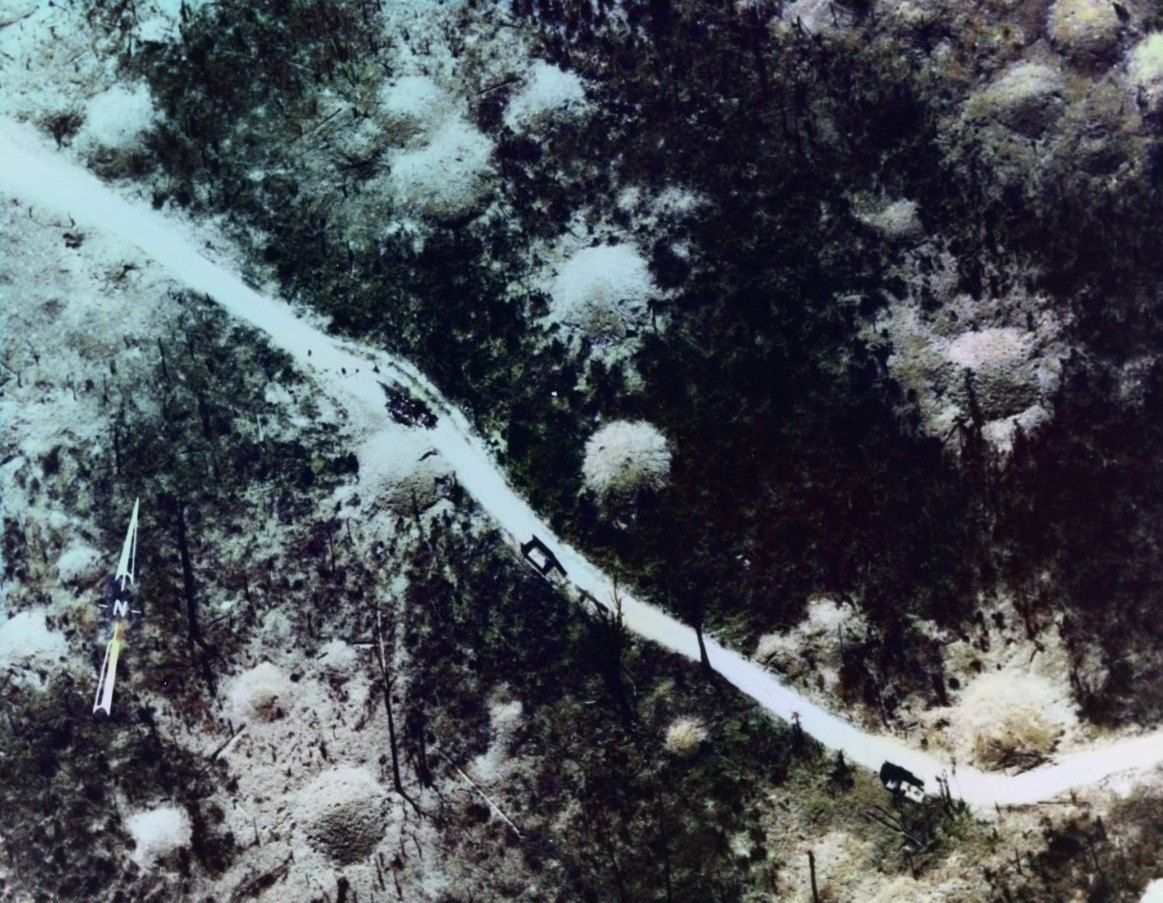
The trail's real master was the weather. The officer who later briefed the Senate explained the calendar.
"During the northeast monsoon the rainfall is light or nonexistent and even unimproved roads are unaffected by the limited rains. During the southwest monsoon the rainfall is heavy and almost daily. As a result, the unimproved roads in this region become soaked and will not support vehicular traffic."
Lt. Col. Ed Soyster, Joint Chiefs of Staff · closed Senate hearing, March 20, 1974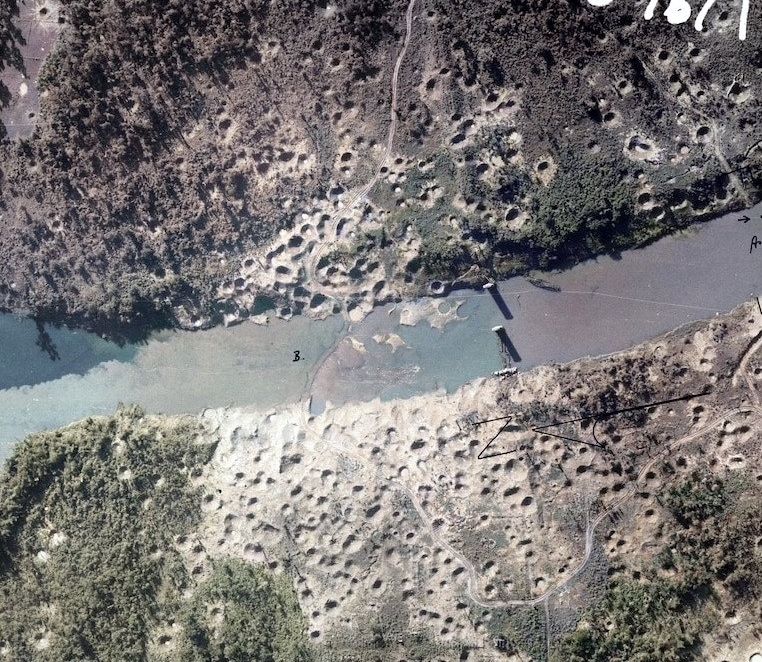
Bombs could cut a road for a day. Rain could close it for months. So the Pentagon's idea, code named Popeye, was to make the mud come early and stay late.
Fifty six clouds
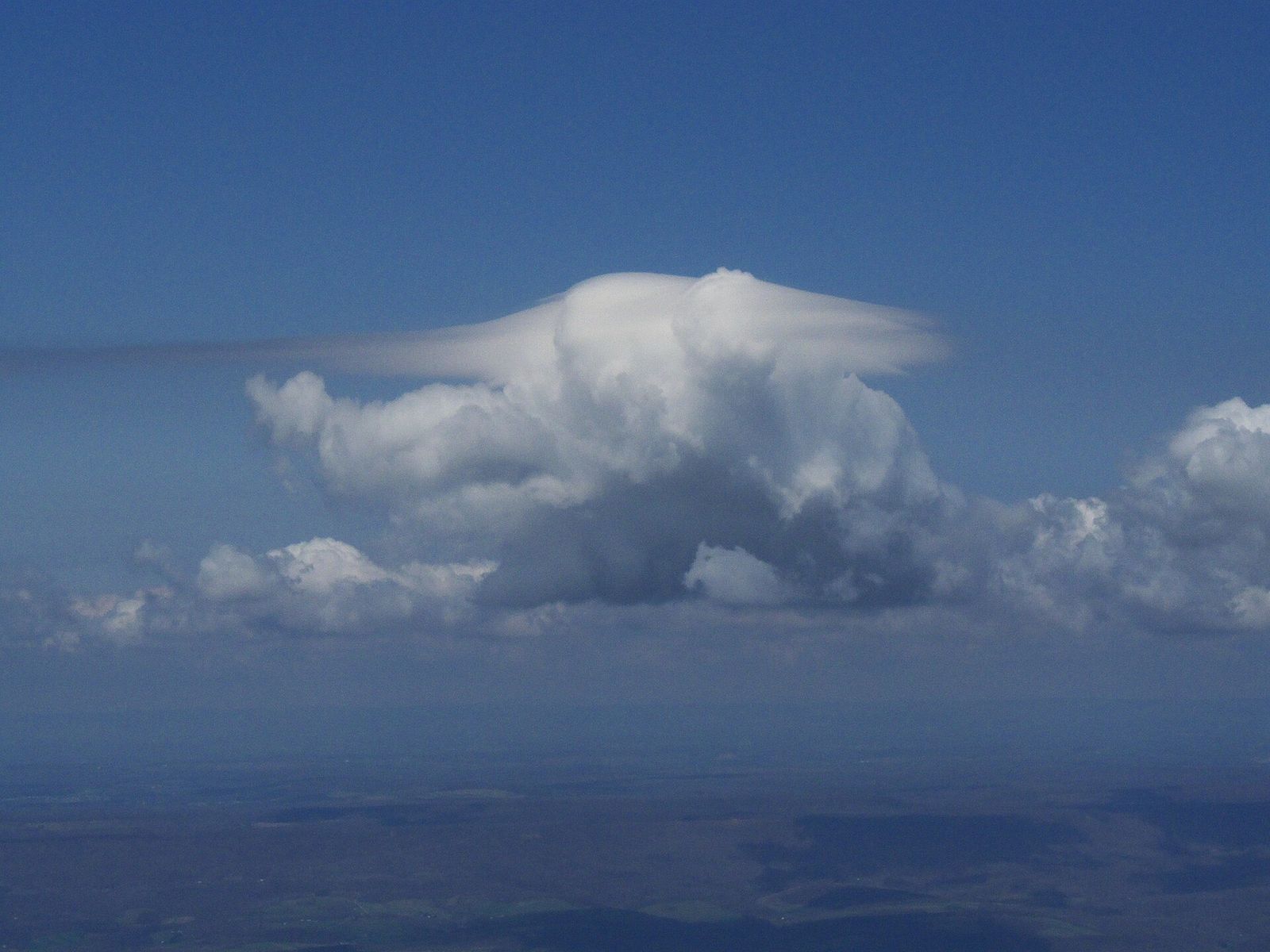
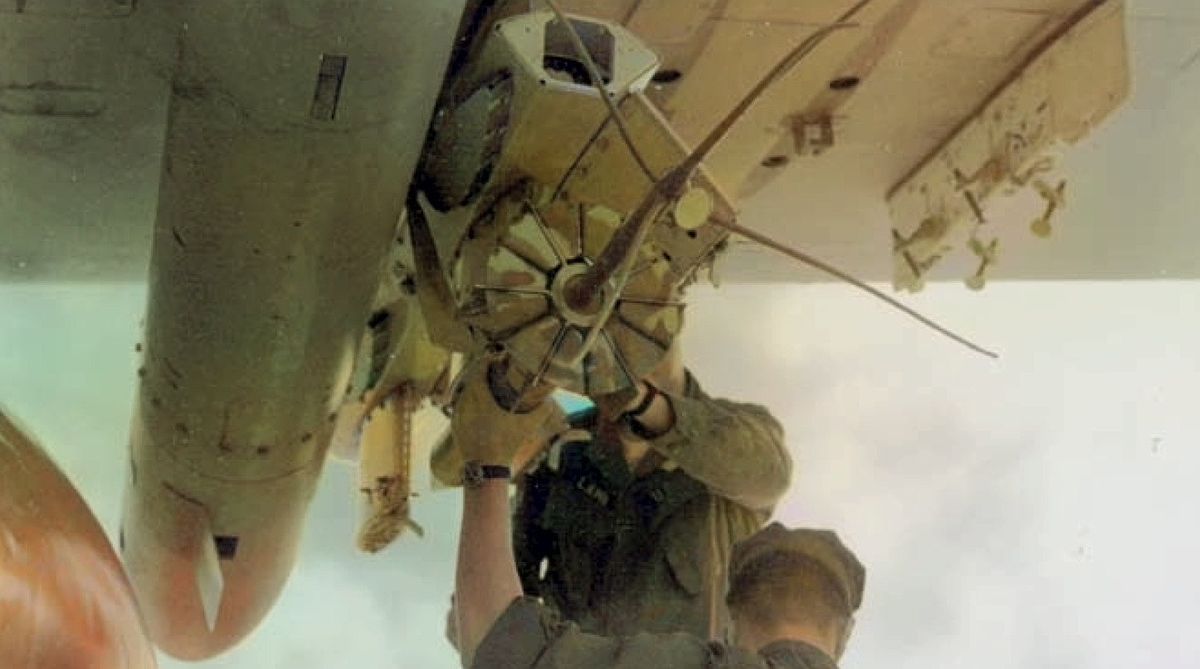
Navy scientists at China Lake, California, had built a seeding flare: a 40 millimeter cartridge holding a candle of silver iodide or lead iodide. Dropped into a cloud, it burned for about 36 seconds while falling 3,000 feet.
The flare itself was no secret. The same units had been used in publicized rainmaking in Okinawa and Texas. What was new was the target. In October 1966 a test team led by China Lake scientists seeded clouds over the Se Kong River valley in the Lao panhandle. Nobody asked the government of Laos. The Pentagon counted 56 seedings and said more than 85 percent of the clouds reacted as the theory predicted.
Pick a place to drop the flare. Each result comes from the Pentagon's own description of the technique.
One test storm did more than anyone intended.
"In one instance, the rainfall continued as the cloud moved eastward across the Vietnam border and inundated a U.S. Special Forces camp with nine inches of rain in four hours."
"If anything, the tests were 'too successful' ... neither the volume of induced rainfall nor the extent of area affected can be precisely predicted."
Two bets on a secret
The Pentagon wanted a regular operation, run in strict secrecy. Because the rain would fall on Laos, the State Department had to agree. Kohler warned Secretary Rusk what could go wrong.
"We cannot lightly assume responsibility for unilaterally altering climate, and possibly landforms, in other sovereignties, and particularly for initiating weather warfare with an uncertain extent of injury to civilian populations."
"It seems highly unlikely that such operations could remain secret indefinitely, and our assumption should be that they will become known."
Kohler wrote on the first page that he had "serious doubts." Rusk approved anyway, "on a strictly experimental basis," in five limited areas. Late in February the Joint Chiefs of Staff sent the White House a list of ways to step up the war. Item four made the opposite bet from Kohler's.
"LAOS OPERATIONS. Continue as at present plus Operation POP EYE to reduce trafficability along infiltration routes. ... Risk of compromise is minimal."
Joint Chiefs of Staff options for President Johnson, late February 1967 · printed in the Pentagon Papers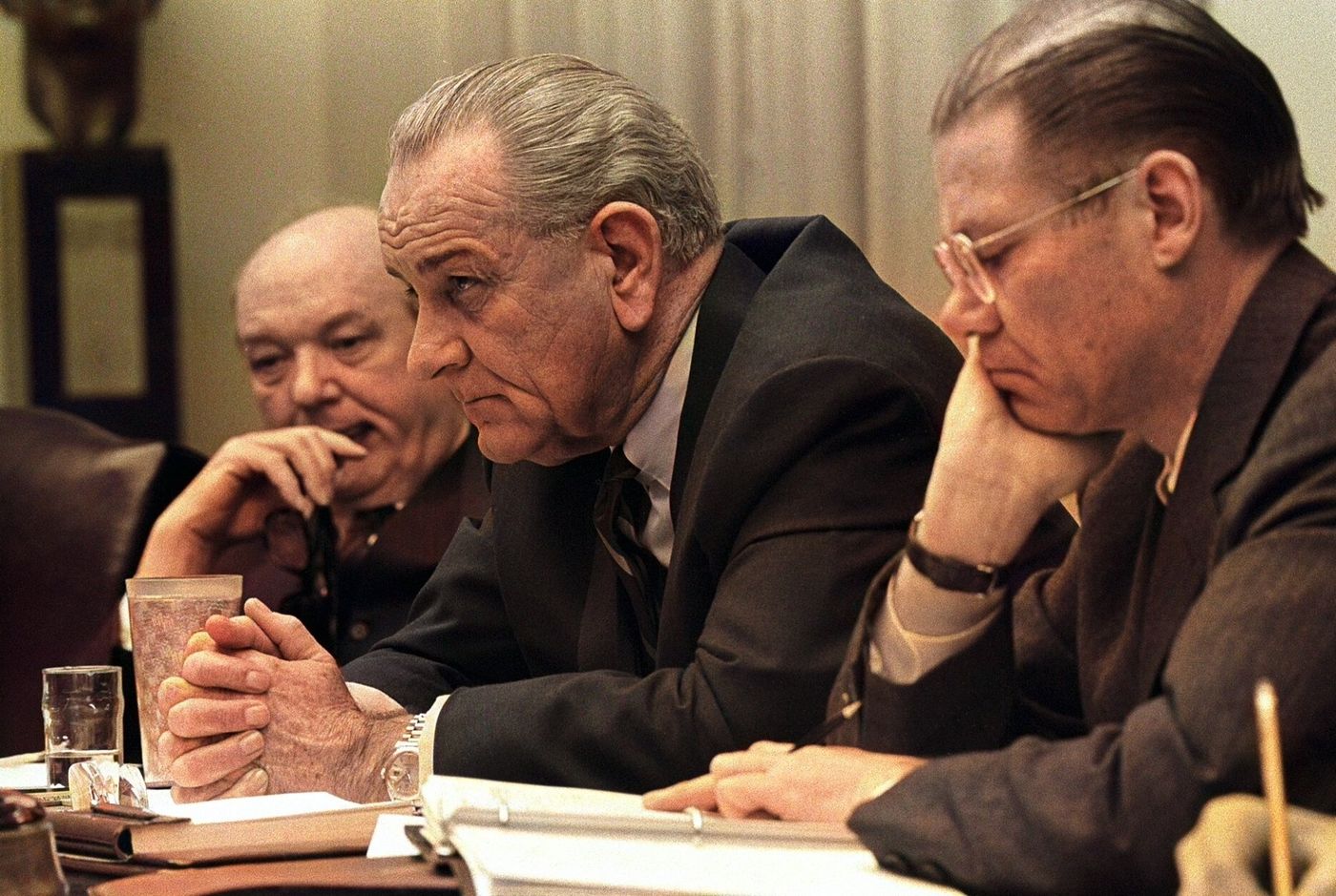
The first mission flew on March 20, 1967. Now you make the bet.
- Oct 1966Test seeding over the Se Kong valley.
- Mar 20, 1967First mission. About 1,400 people will be briefed into the secret.
- Mar 1971Columnist Jack Anderson prints the code names. The Pentagon changes them.
- 1971The Pentagon Papers print the Joint Chiefs' Pop Eye line. Hardly anyone notices.
- Jul 3, 1972The New York Times runs the story on page one.
- Jul 5, 1972The last Popeye mission flies.
- May 19, 1974The Pentagon's briefing is declassified, with maps and totals.
Slide to your guess and press Run the clock.
Logged as weather reconnaissance
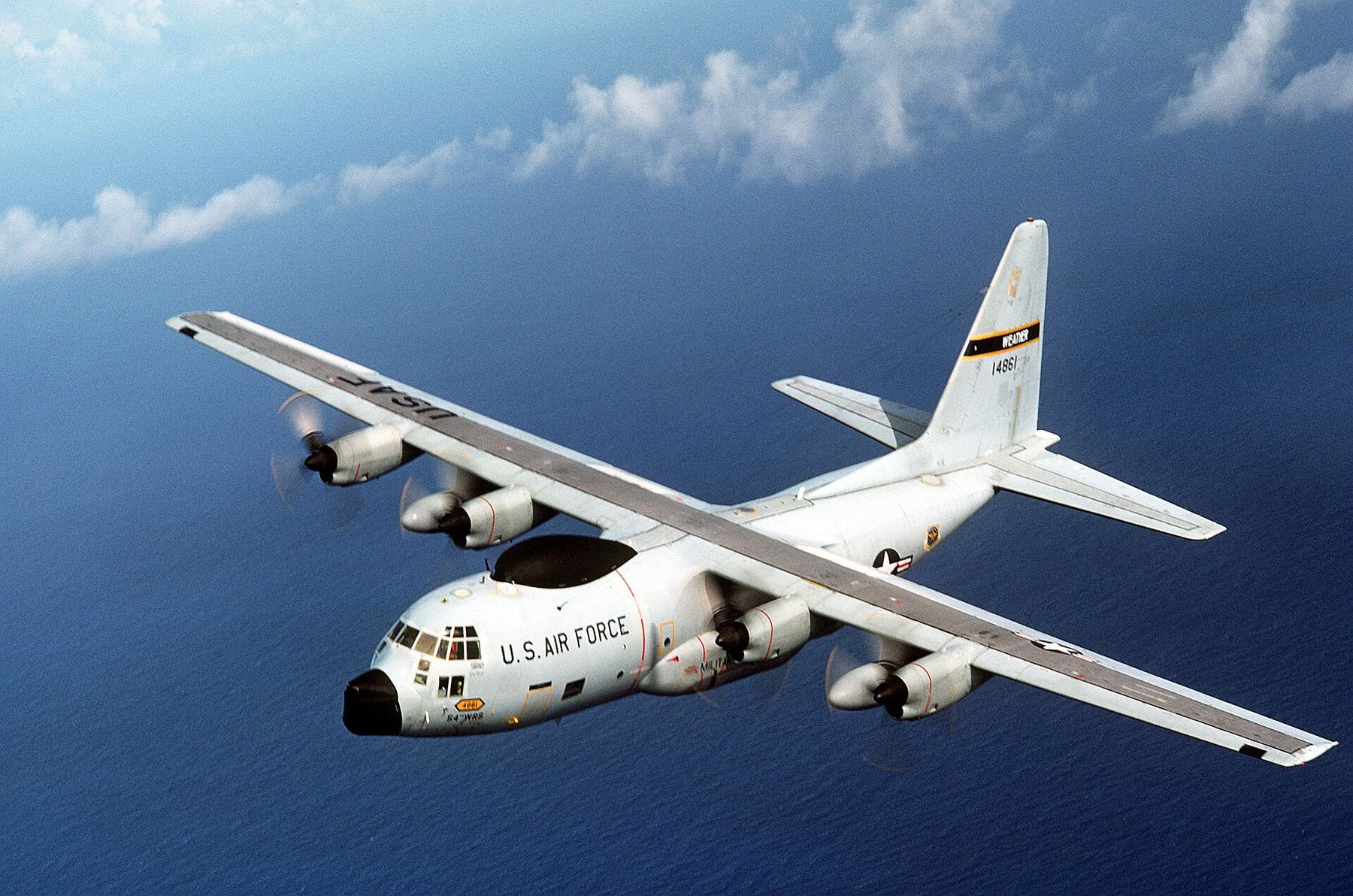
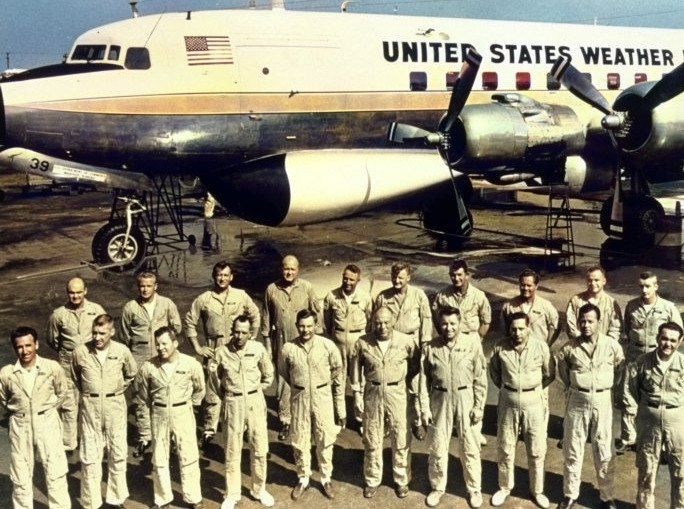
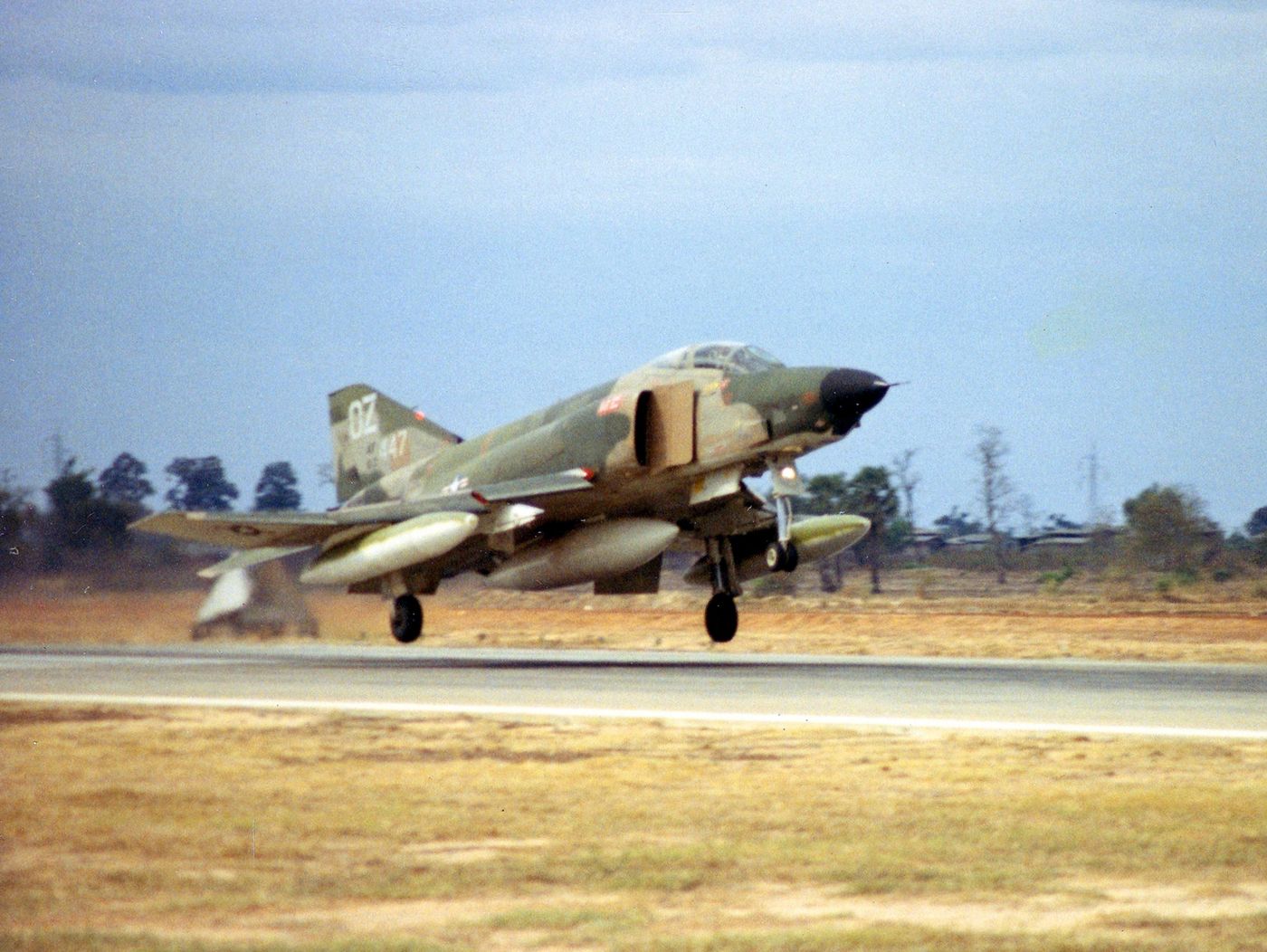
Popeye ran on a small fleet: three WC-130 weather planes and two RF-4C reconnaissance jets, flying out of Thailand. A WC-130 carried a pod of 104 seeding units on each side of the fuselage.
On paper every flight was something else. WC-130 missions were logged as weather reconnaissance, and seeding reports went up a separate channel to the Joint Chiefs. The Pentagon later said the government of Thailand, whose bases the planes used, was not informed.
In 1974 the Pentagon gave the Senate maps of where seeding was allowed. Step through the printed maps, lined up so the coastline holds still while the shaded areas change.
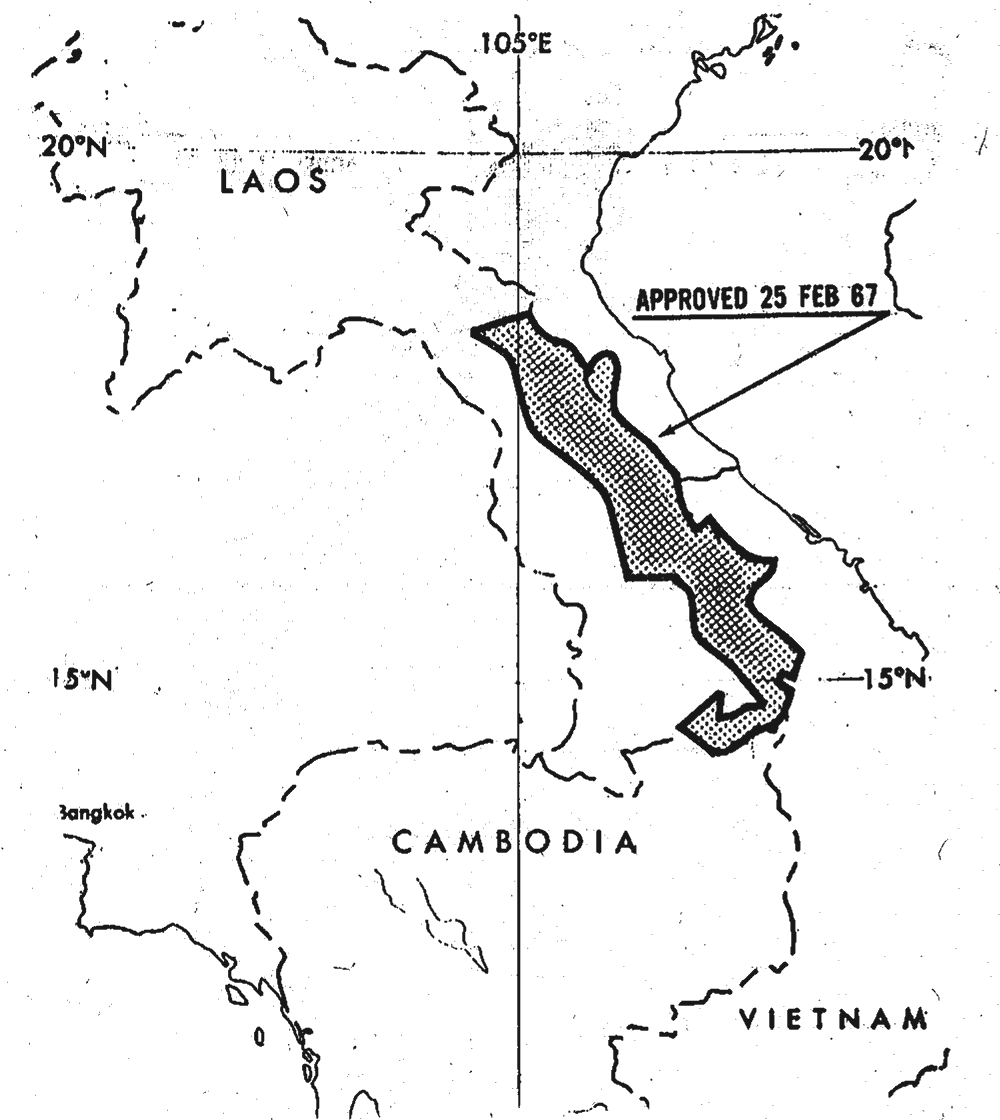
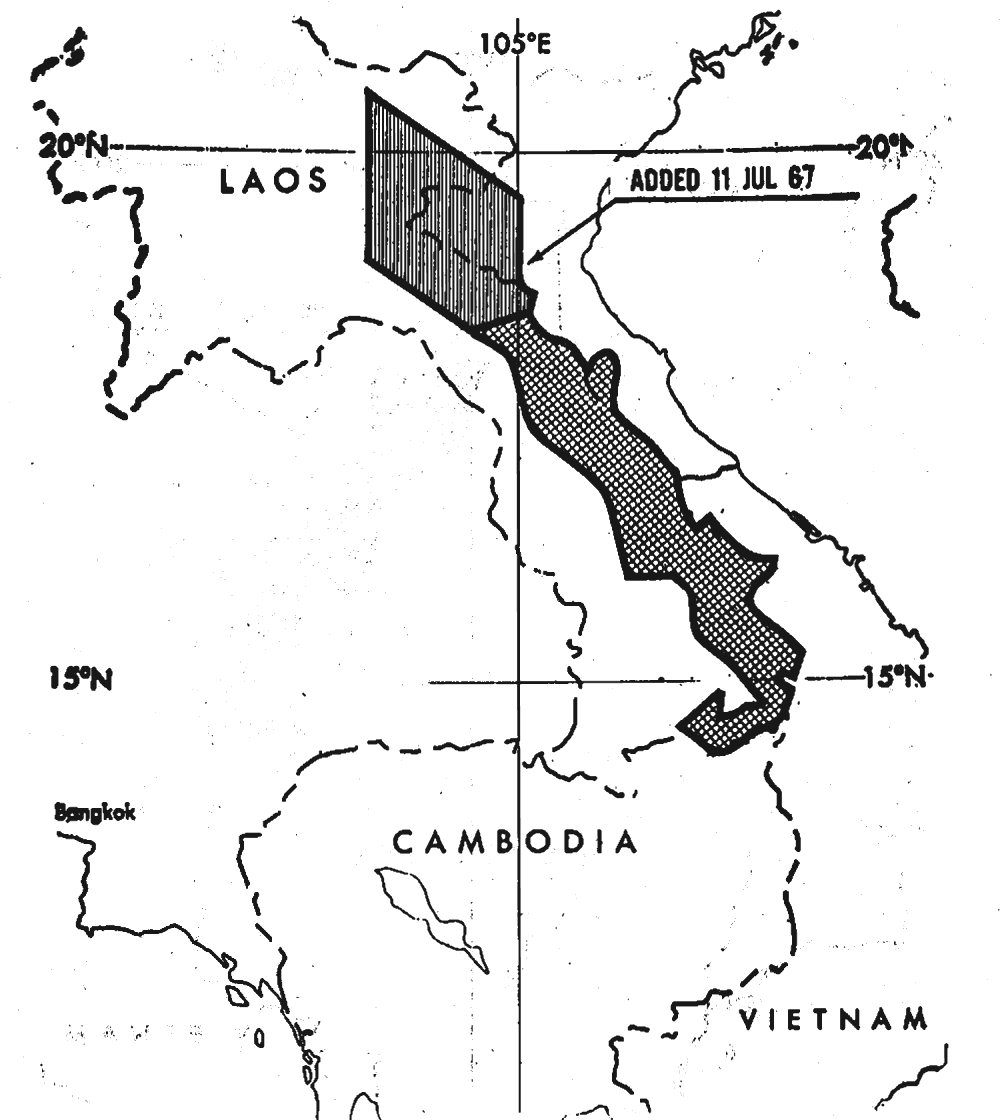
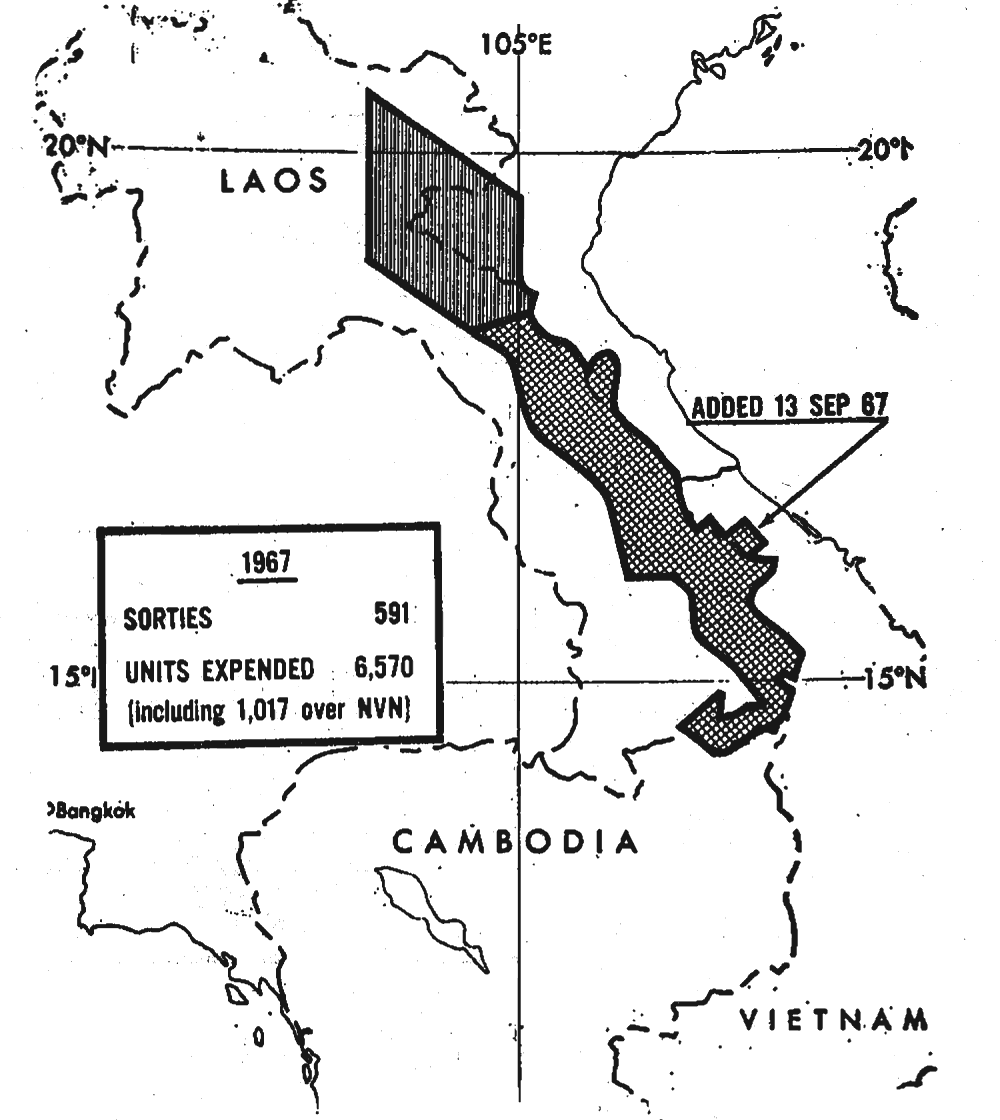
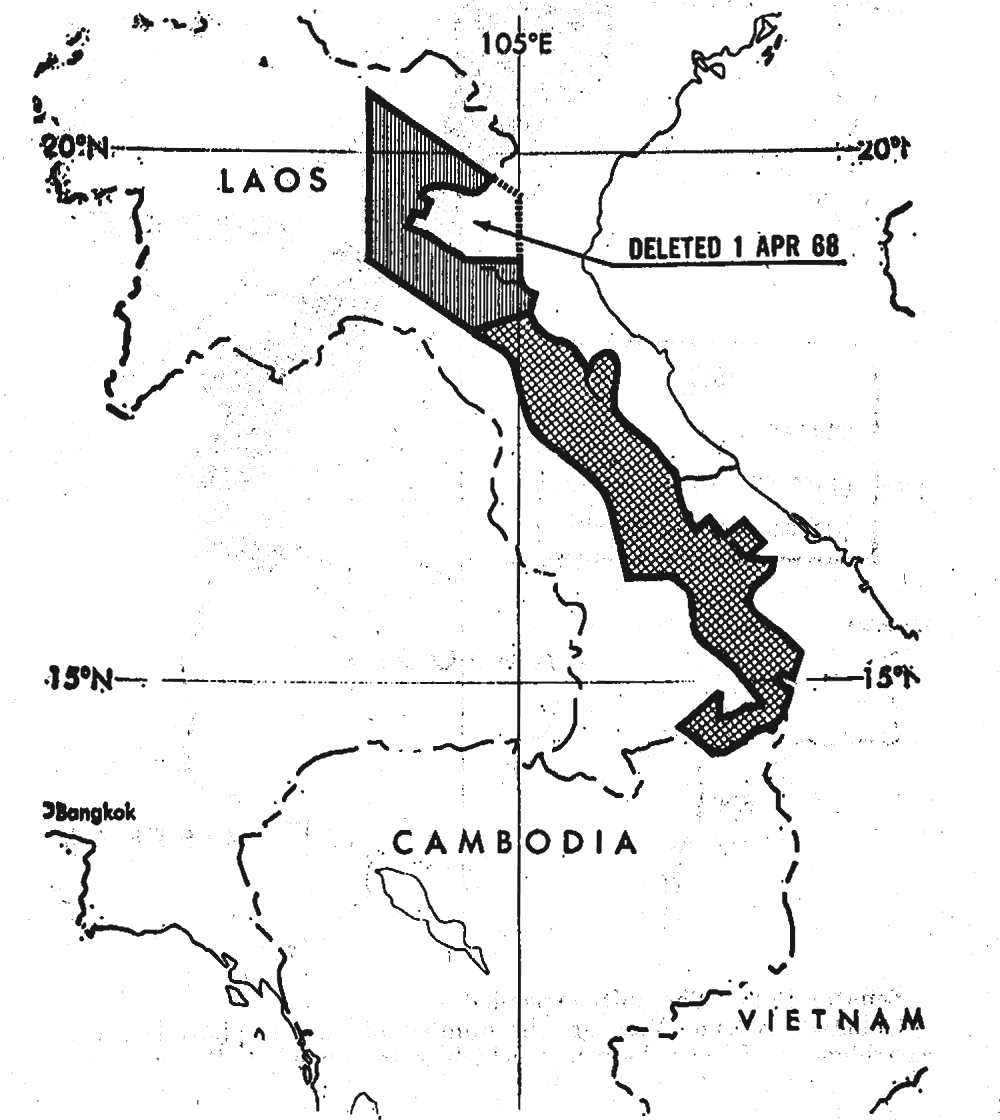
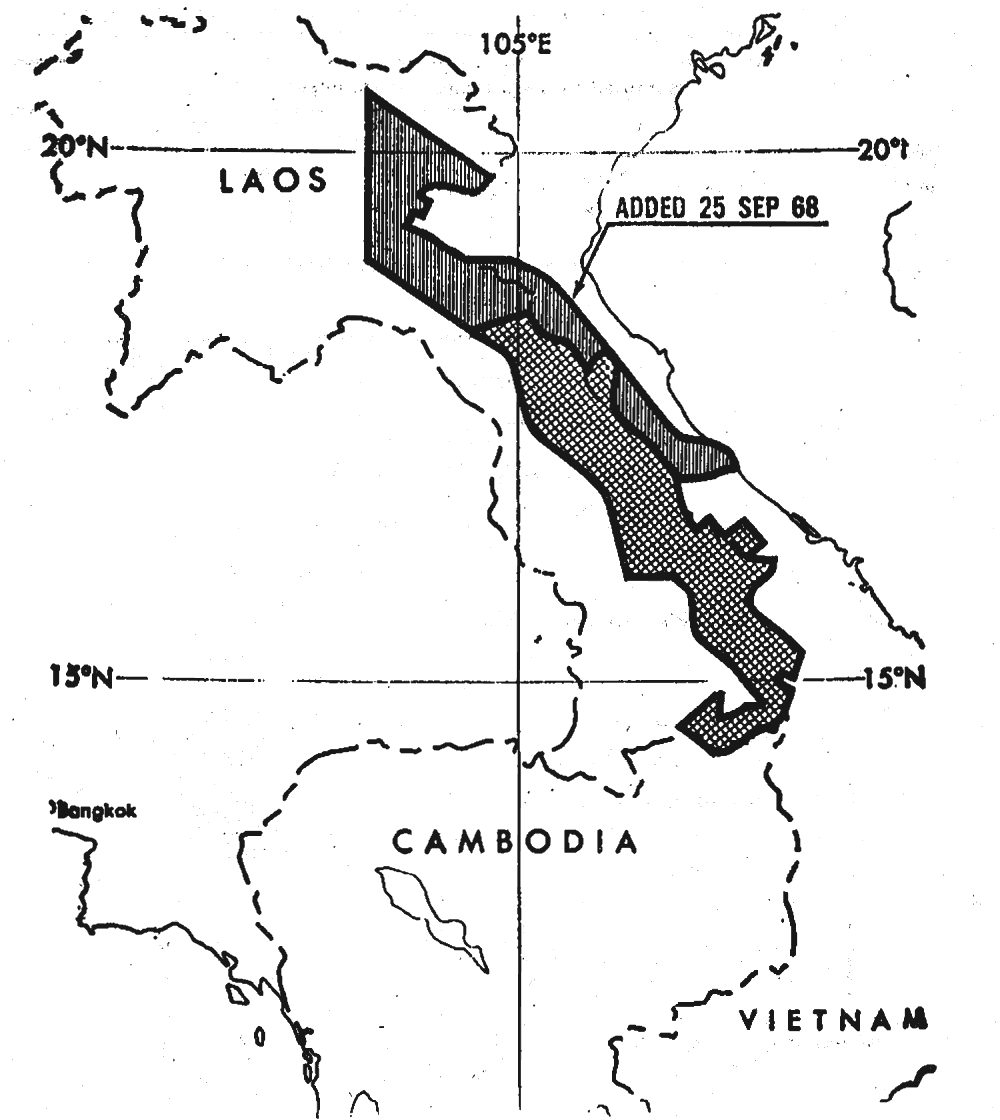
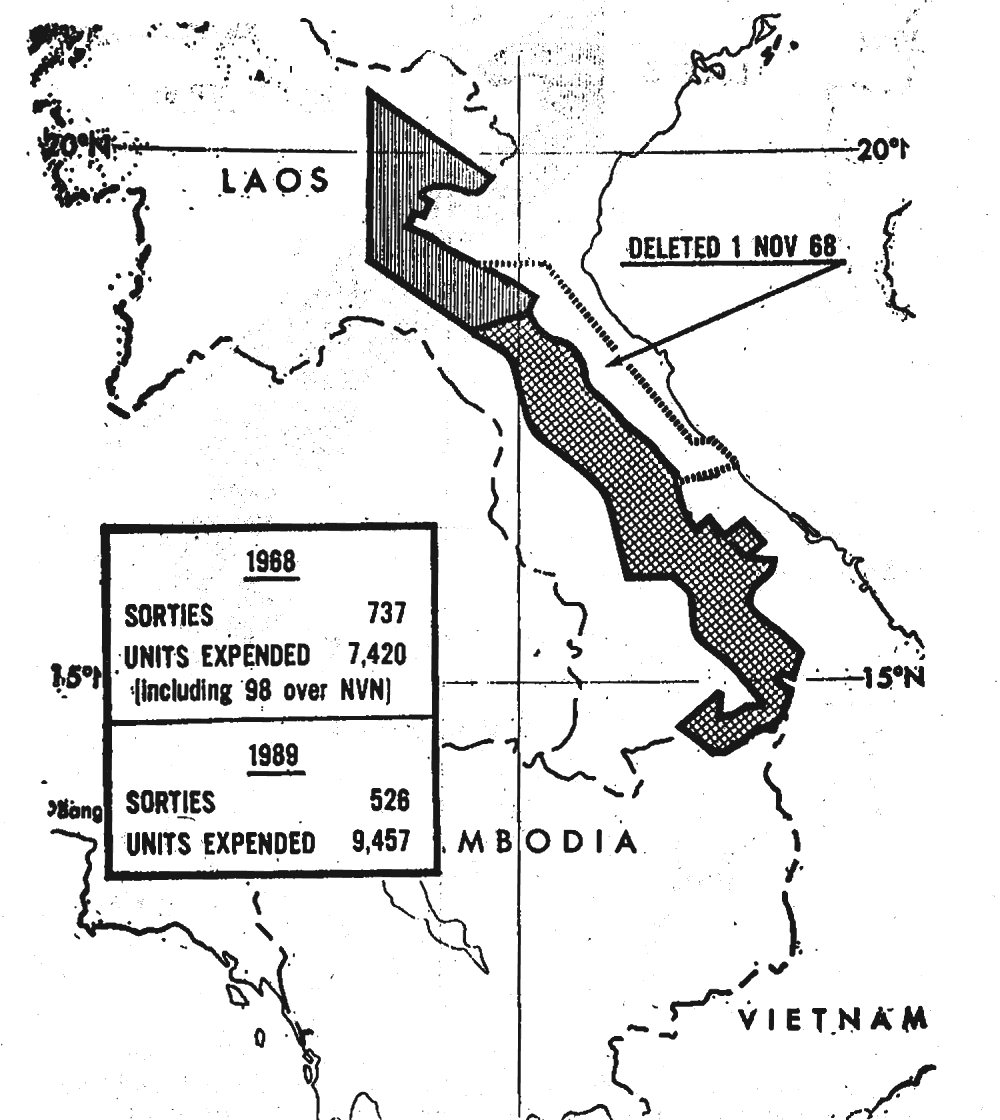
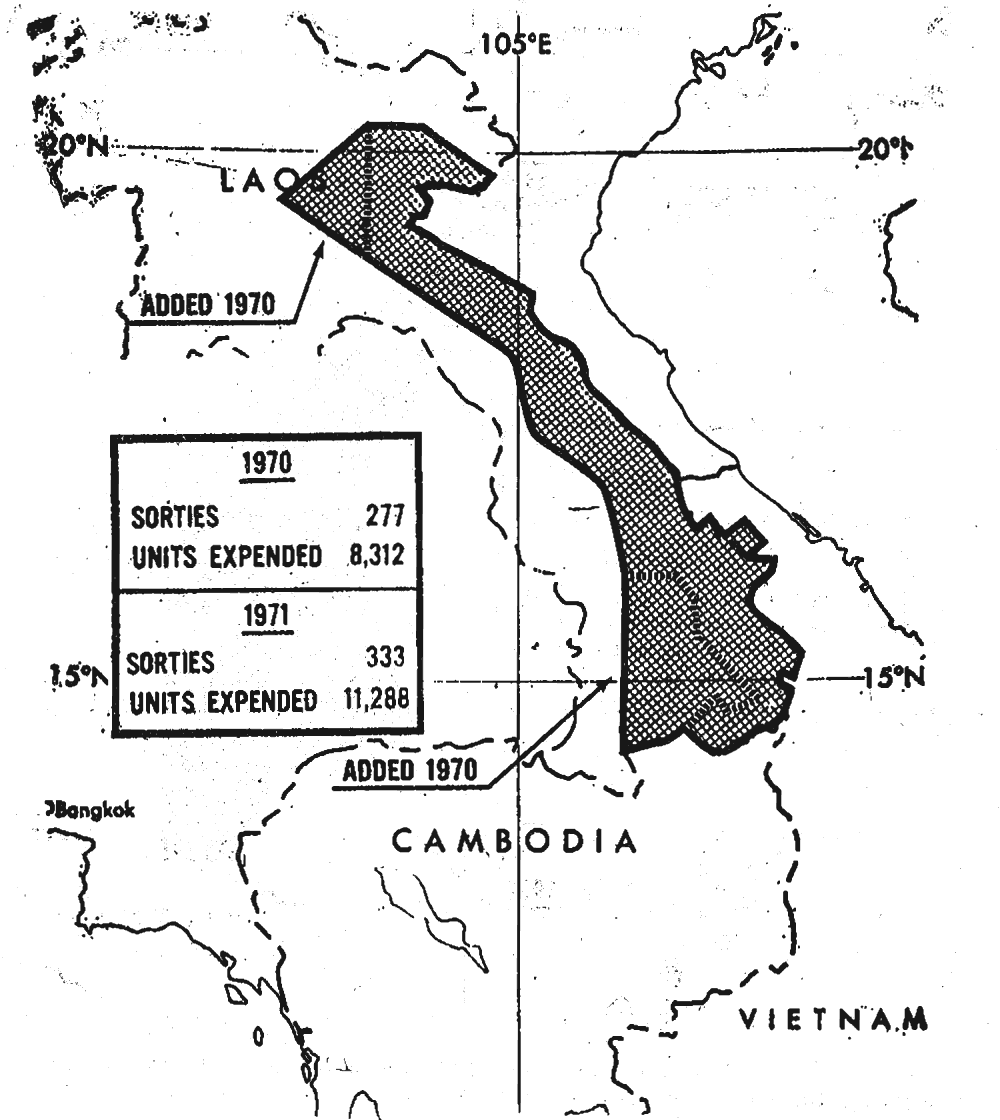
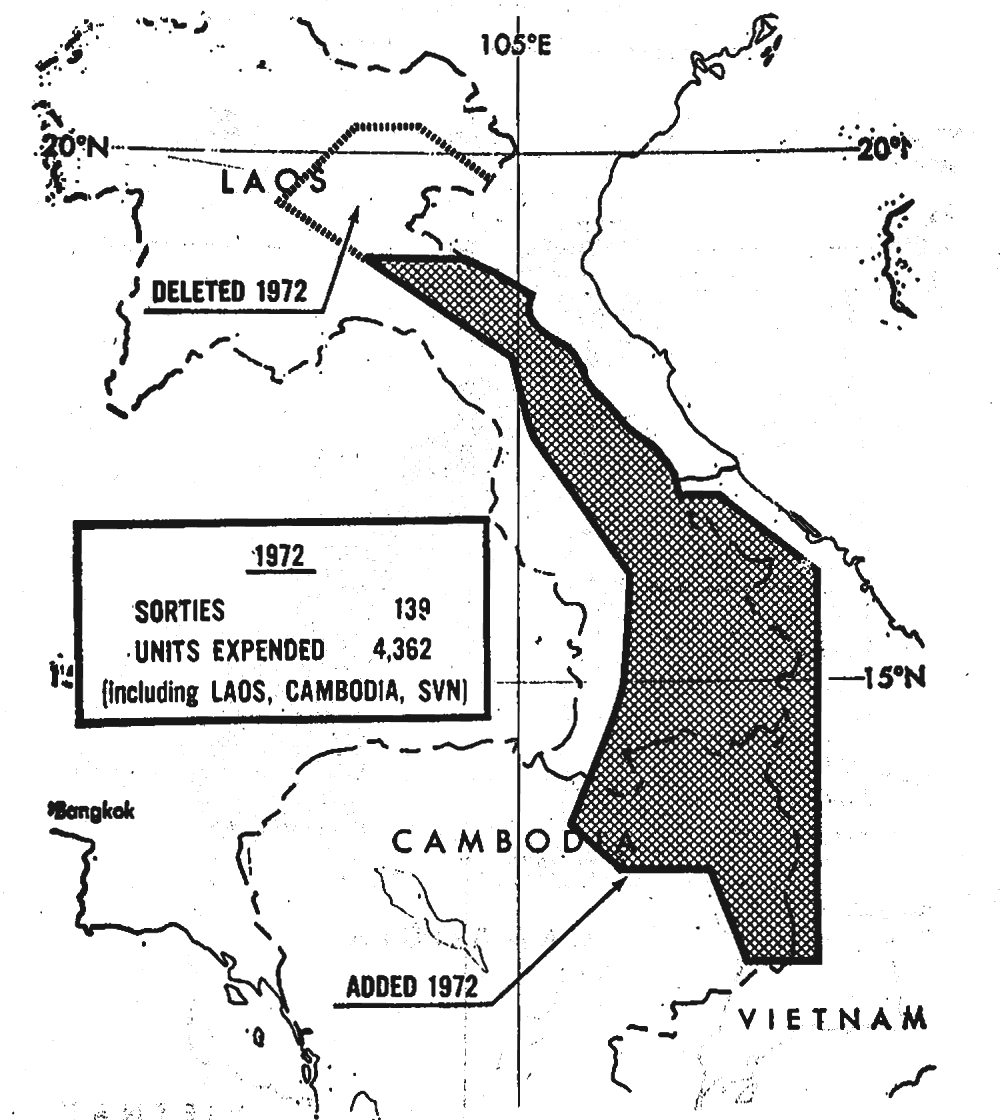 Chart 4
25 Feb 1967
See the Pentagon's printed table
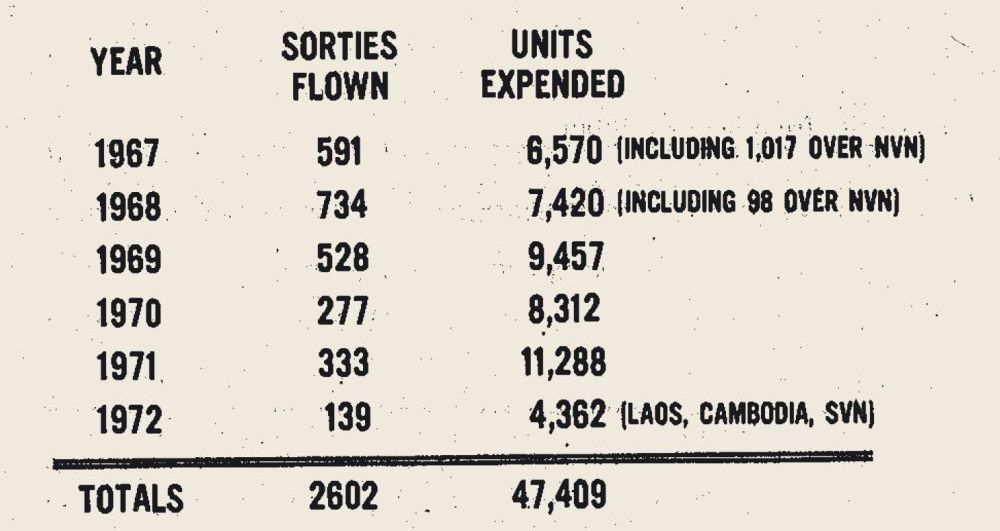
Twenty one or twenty three
Did the rain work? Nobody could measure it, because there were too few rain gauges in enemy territory. Working backward from units dropped, the Defense Intelligence Agency estimated rainfall rose in limited areas by up to 30 percent. To show what success looked like, the briefer walked the senators through one month. Follow his numbers down.
- 1,391Seeding units dropped in June.
- 1,275Judged successful "in the crews' judgment."
- 329Road segments "influenced," under a seeded cloud or in reach of its runoff.
- 46Road segments "interdicted," with water damage confirmed by photos.
- 9,000More than this many enemy supply movements a week, picked up by sensors in eastern Laos in early April.
- 900Fewer than this many a week by the end of June.
Press Next step.
Asked whether it worked, Dennis Doolin, the Pentagon official in charge of East Asia policy, looked at the rainfall charts.
"When you are getting 21 inches in a given area and we add 2 inches, if I was on the bottom, I do not think I would know the difference between 21 and 23."
Dennis Doolin, Deputy Assistant Secretary of Defense · March 20, 1974The briefing's conclusion was just as flat. At about $3.6 million a year, the program stayed alive because it was cheap.
"While this program had an effect on the primitive road conditions in these areas the results were certainly limited and unverifiable."
Pentagon briefing to the Senate · March 20, 1974Never over North Vietnam
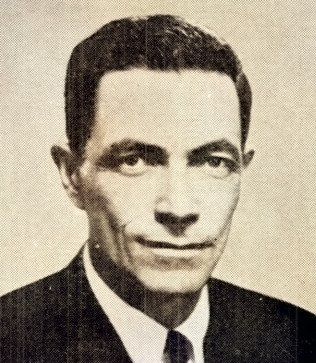
After Jack Anderson's column, Senator Claiborne Pell of Rhode Island began asking about weather warfare in public. On April 18, 1972, Secretary of Defense Melvin Laird was asked about weather modification before the Senate Foreign Relations Committee. He answered with one sentence.
"We have never engaged in that type of activity over North Vietnam."
1,017 seeding units dropped over North Vietnam in 1967. Another 98 in 1968. Most of the program's rain did fall over Laos, which the sentence left out.
On July 3, 1972, Seymour Hersh put the program on the front page of The New York Times. "The United States has been secretly seeding clouds over North Vietnam, Laos and South Vietnam to increase and control the rainfall for military purposes," his story began. Every person he quoted went unnamed. Two days later the last Popeye mission flew.
Unnamed sources are hard to judge. These can be graded, because the classified record came out two years later. Test six things Hersh reported.
Six claims. For each one, decide what the released record does.
An elephant labored
By January 1974 Laird had left the Pentagon to advise President Nixon. On January 28 he wrote to the Foreign Relations Committee to fix his testimony. "I have just been informed," he wrote, "that such activities were conducted over North Vietnam in 1967 and again in 1968." The letter stayed classified Secret.
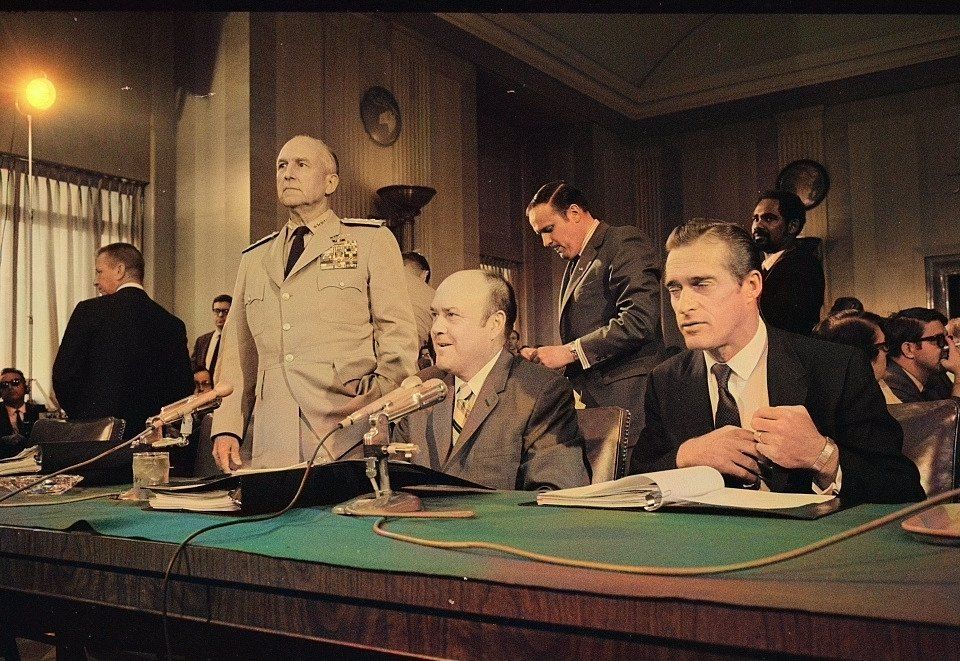
On March 20 Pell's subcommittee heard the whole program in a closed hearing classified Top Secret.
Pell asked why such modest results had been guarded so tightly.
SENATOR PELL. From what you say, I am reminded of the old maxim. An "elephant labored and a mouse came forth." What was the reason for this great secrecy?
GENERAL FURLONG. Your observation ... I think reflects in large measure our current perception of the classification.
Maj. Gen. Ray Furlong, Deputy Assistant Secretary of Defense · closed hearing, March 20, 1974The transcript was released on May 19, 1974. Pell kept pushing for a ban. On May 18, 1977, the United States and 33 other nations signed the Environmental Modification Convention in Geneva. It bans military use of techniques that change the environment with "widespread, long-lasting or severe effects." The Senate approved it 98 to 0 in 1979.
Forecast the verdict
Here are five things people say about Popeye. Call each one before you see what the record says.
Pick a verdict for each claim.
Make the argument
150 to 200 words. Pick one prompt and use evidence from at least two numbered sections.
When you are finished, copy everything and paste it into the Classroom assignment. Your work saves in this browser as you type.