UNUSUALLY BROAD FOR ITS ERA
Who could enter
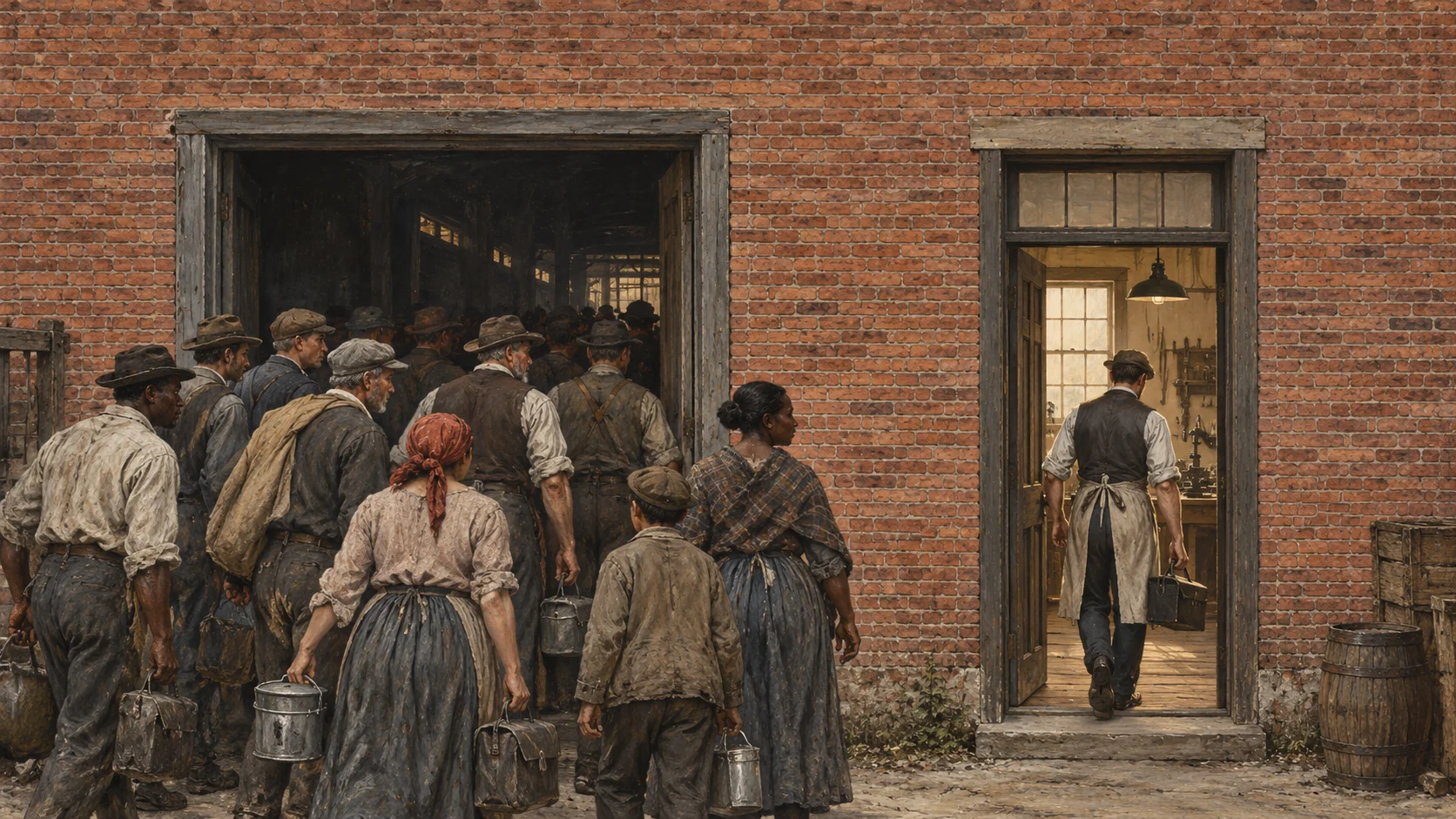
Women joined. Black workers joined. Skilled and unskilled workers joined. The Knights deliberately reached across divisions many nineteenth-century labor organizations treated as permanent.
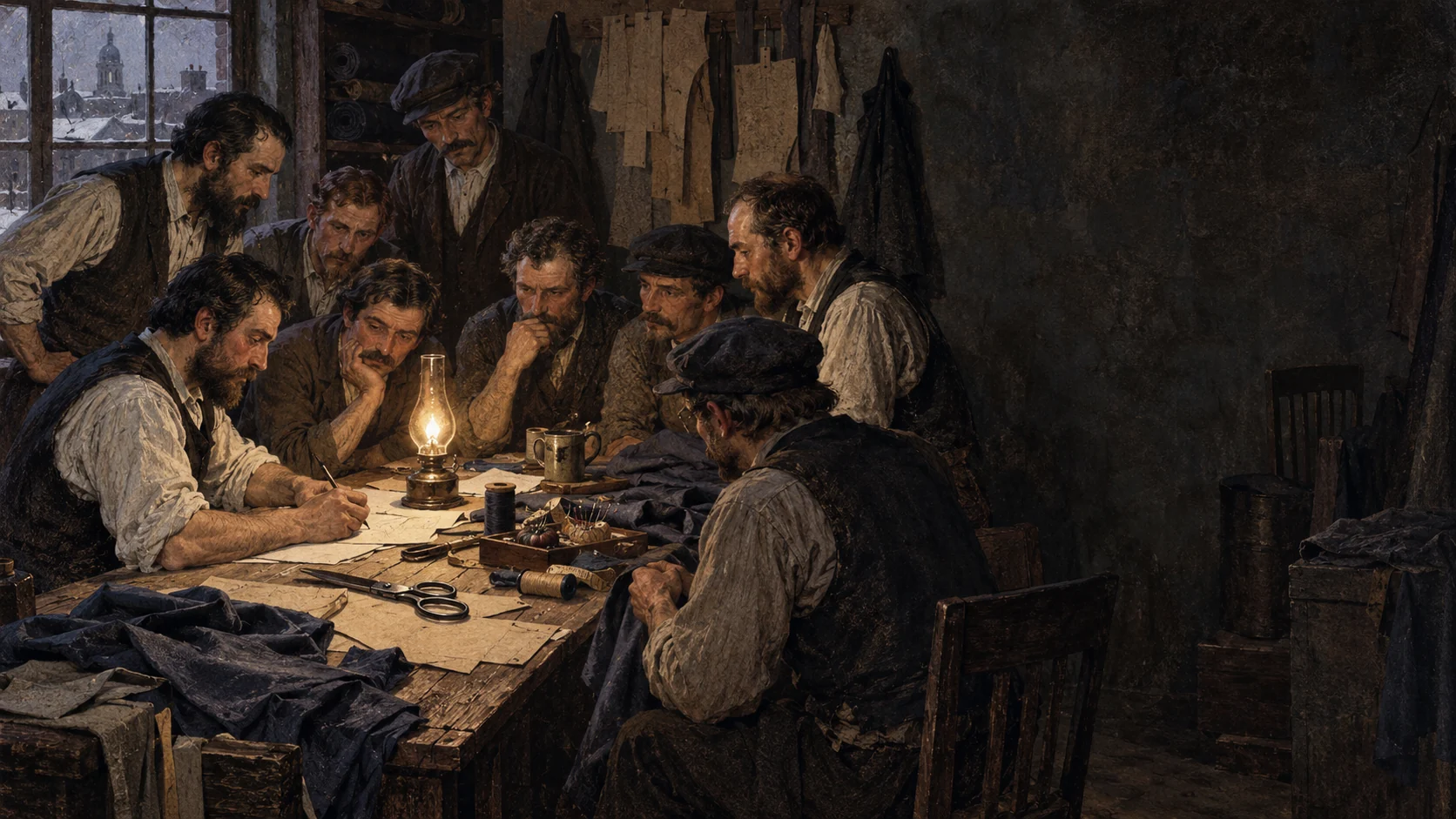
A tiny secret labor society becomes the largest labor organization in the country, defeats one of America’s richest railroad owners, grows almost sevenfold—and then collapses with astonishing speed.
Before the Knights become powerful, the first thing to understand is the problem they were trying to solve: one worker had little leverage, and the law gave organized labor very little protection.
The Knights of Labor began when Uriah Stephens and eight other Philadelphia garment cutters formed a secret labor organization. Secrecy made sense in a world where organizing could cost a worker his job.
The organization eventually tried something much bigger than protecting one trade: unite people divided by job, skill, race, sex, and region into one national movement.
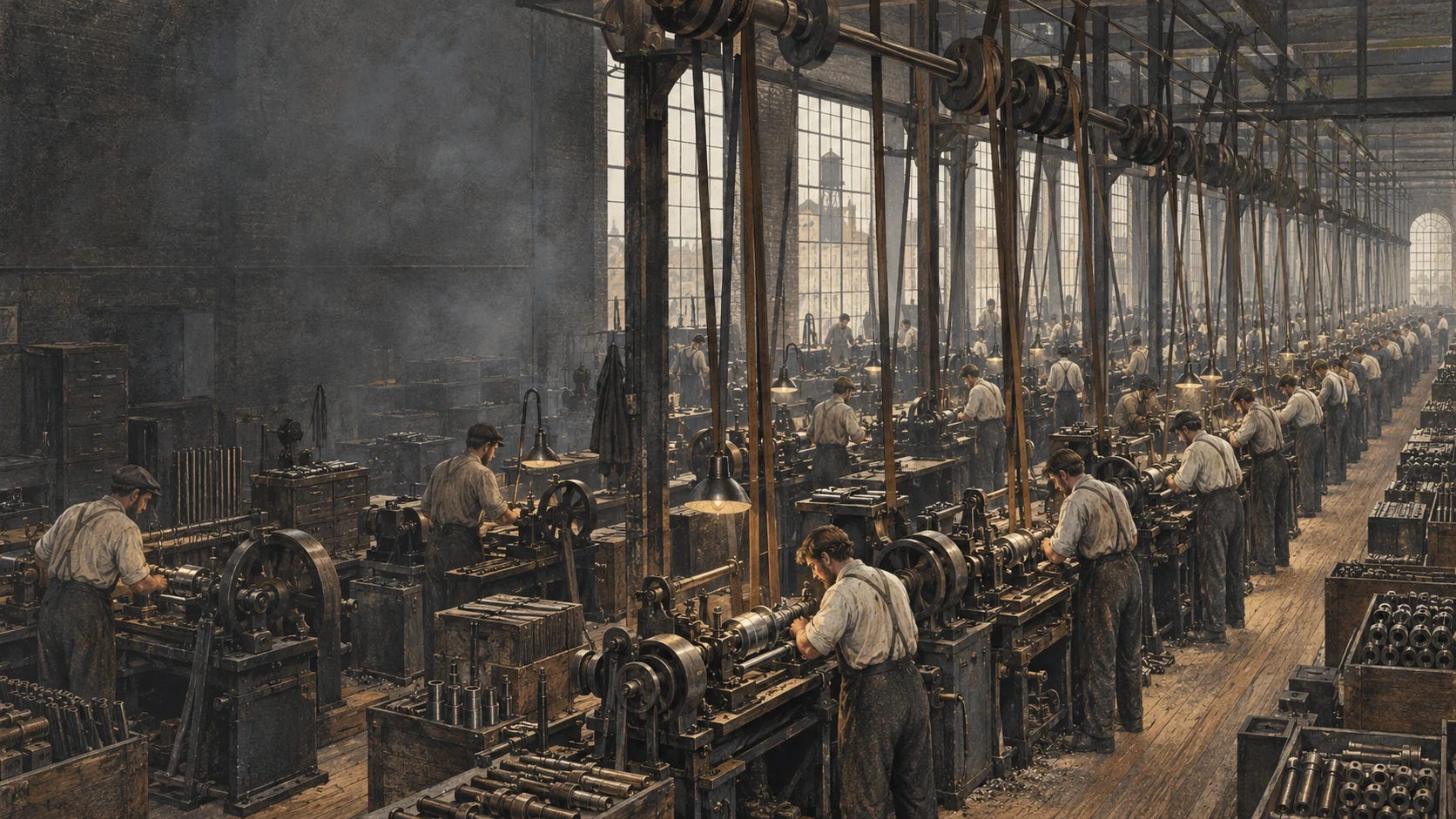
A single employee can be fired or replaced without stopping an entire operation. Collective action changes the employer’s problem. Replacing a large share of a workforce at once requires time, recruiting, training, supervision, and money.
That is the logic behind collective bargaining: workers negotiate as a group rather than as isolated individuals. But solidarity immediately creates another question—who belongs in the group?
1 worker — An individual personnel problem.
10 workers — A disruption an employer may still absorb.
100 workers — Replacement now requires real recruiting and coordination.
1,000 workers — Operations become difficult to sustain without an organized response.
10,000 workers — The dispute becomes a system-level problem, not one personnel decision.
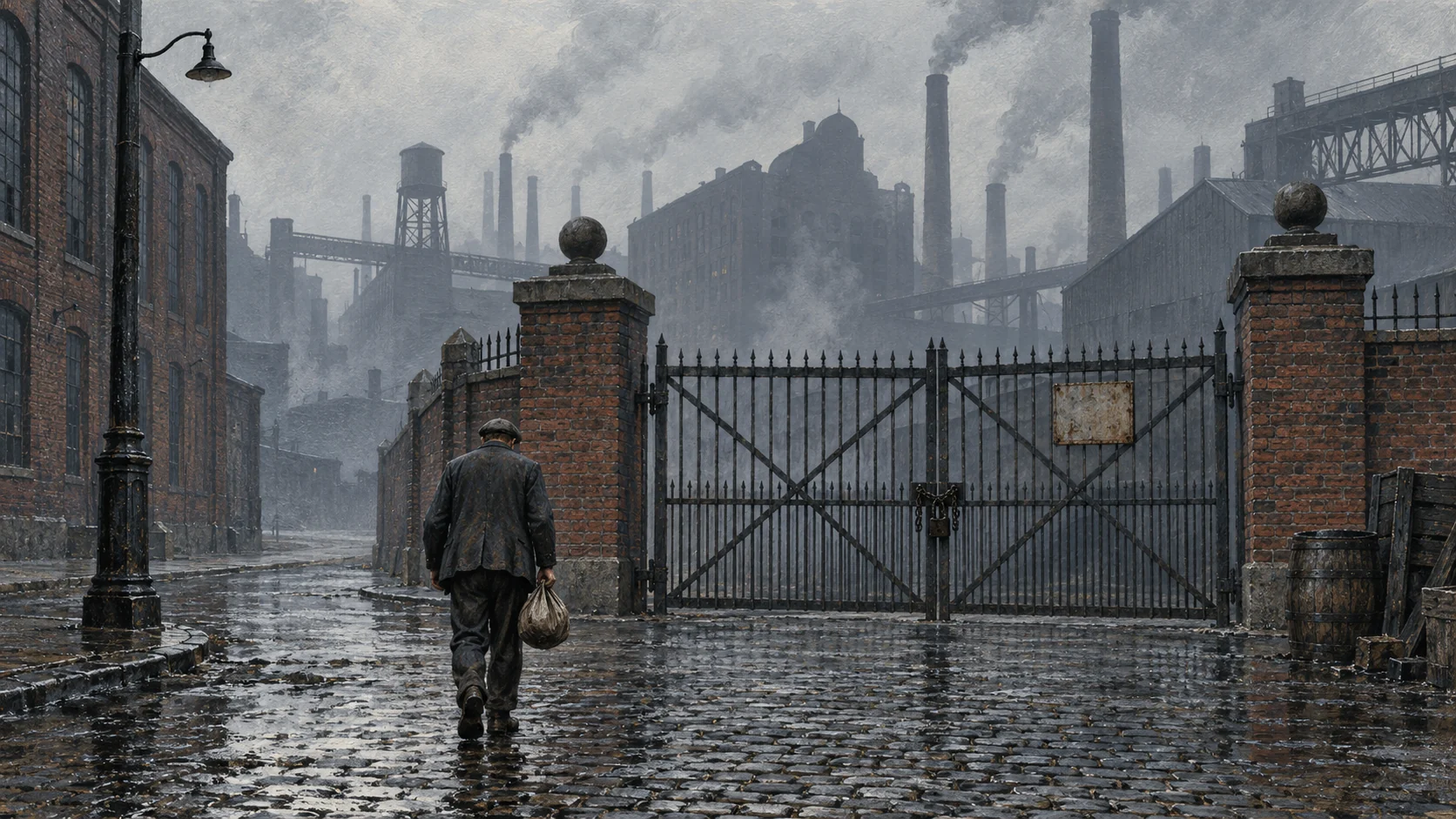
The Knights did not simply want a higher paycheck. They imagined a different relationship between workers, ownership, citizenship, and economic power.
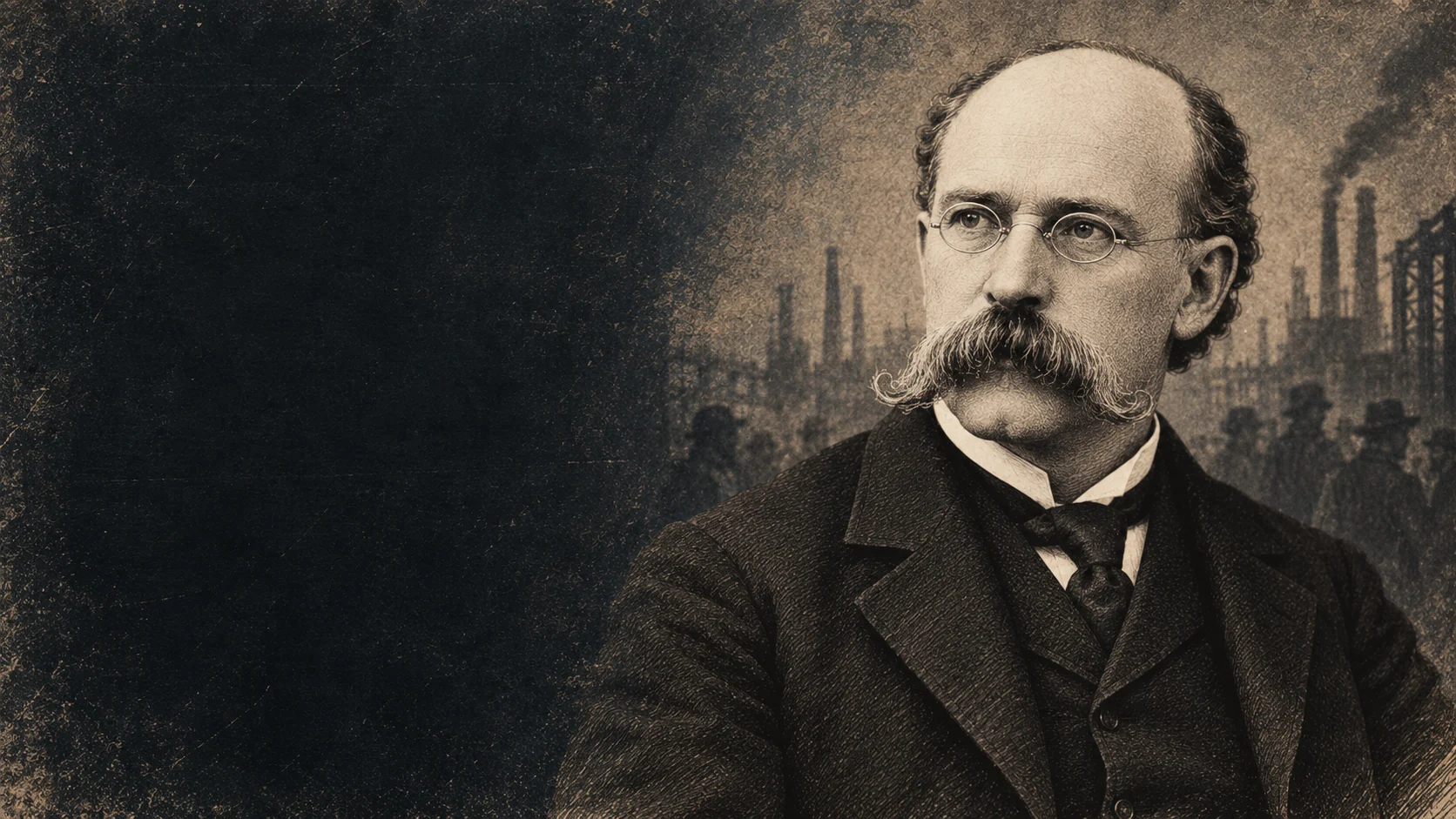
Powderly led the Knights from 1879 to 1893. He favored education, arbitration, cooperation, and reform more than constant striking. That caution became a central tension inside an organization whose local members sometimes wanted direct confrontation.
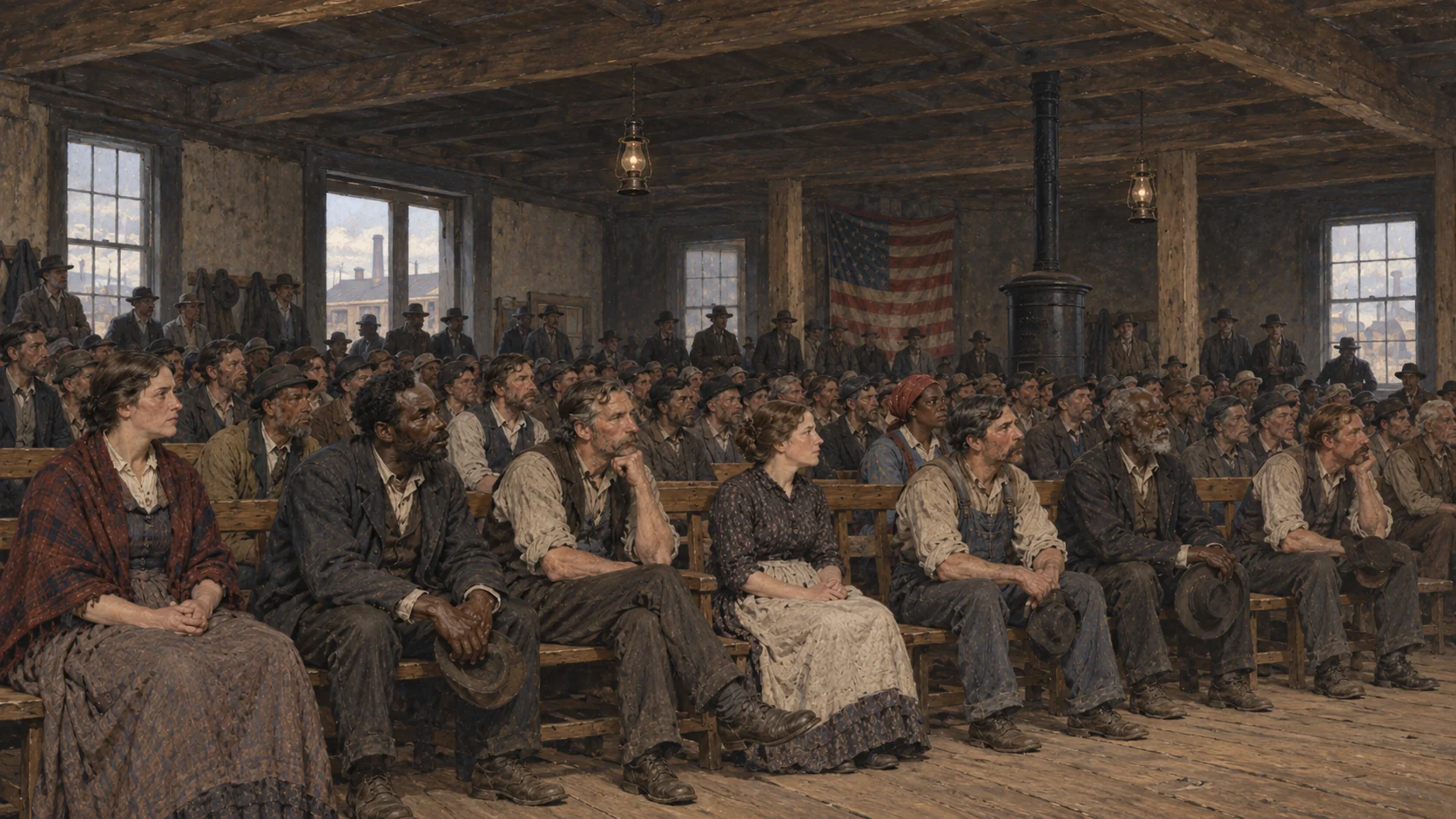
Women joined. Black workers joined. Skilled and unskilled workers joined. The Knights deliberately reached across divisions many nineteenth-century labor organizations treated as permanent.
Equality was inconsistent in practice; many local assemblies were segregated. The Knights excluded Chinese workers and also barred occupations they considered “nonproductive” or socially harmful, commonly including doctors, lawyers, bankers, liquor dealers, and gamblers.
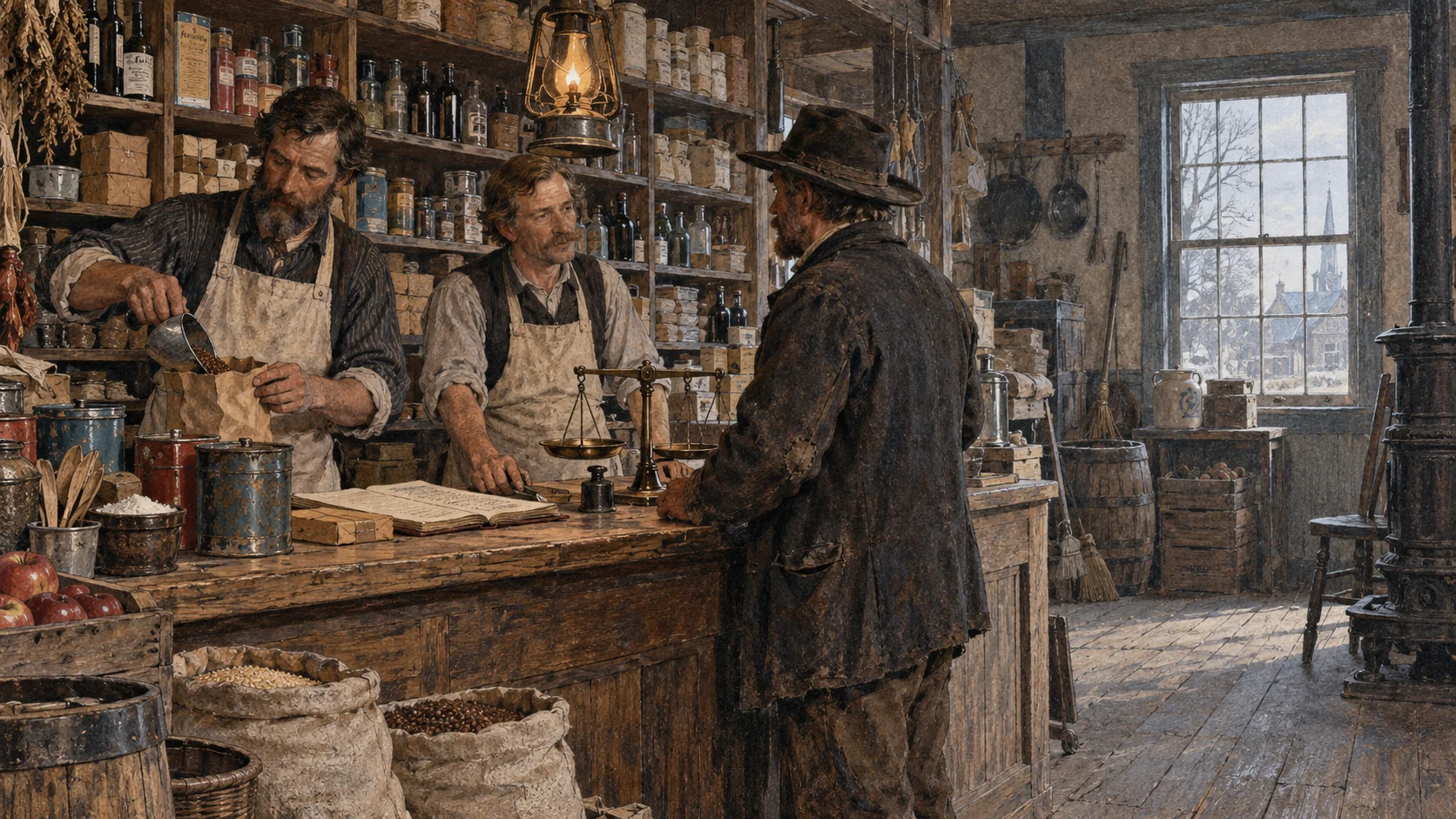
The Knights imagined workers gaining more control over economic life—not merely negotiating a slightly better wage inside the same arrangement.
Their program also included worker cooperatives, restrictions on child and convict labor, equal pay for equal work, and reforms aimed at concentrated corporate power.
A victory against Jay Gould makes the Knights look capable of defeating national corporate power. Workers rush to join. Success creates strength—and a new problem of scale.
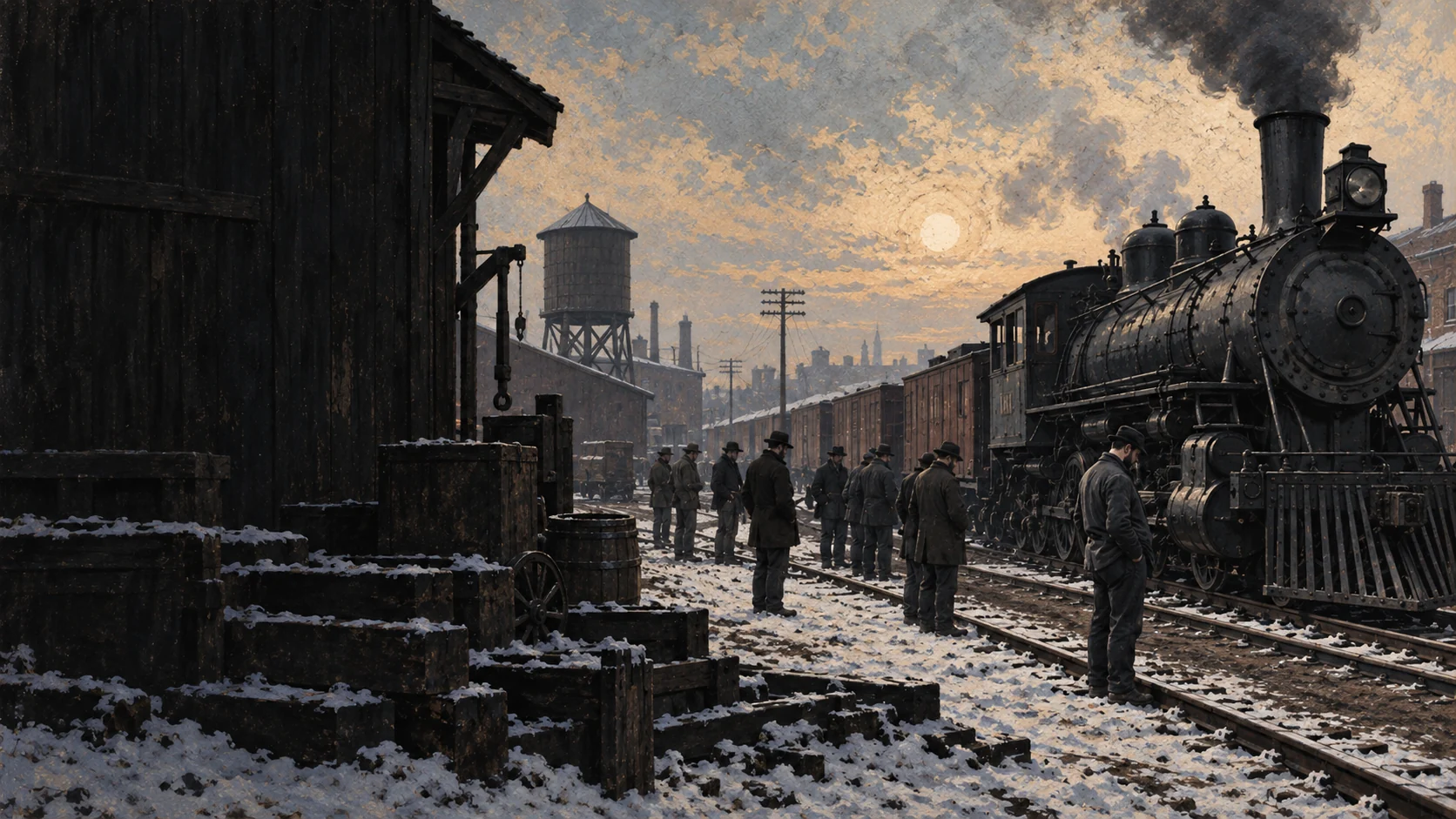
Workers affiliated with the Knights won a settlement against railroads controlled by one of the most powerful financiers in America. Earlier wage levels were restored, and striking workers could return without being punished simply for taking part.
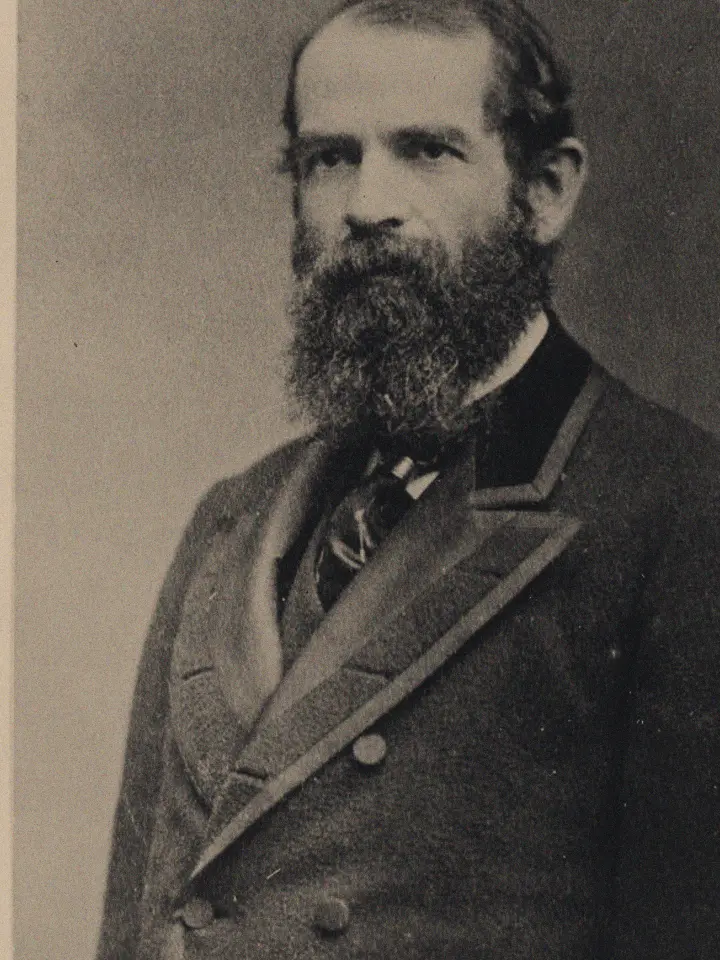
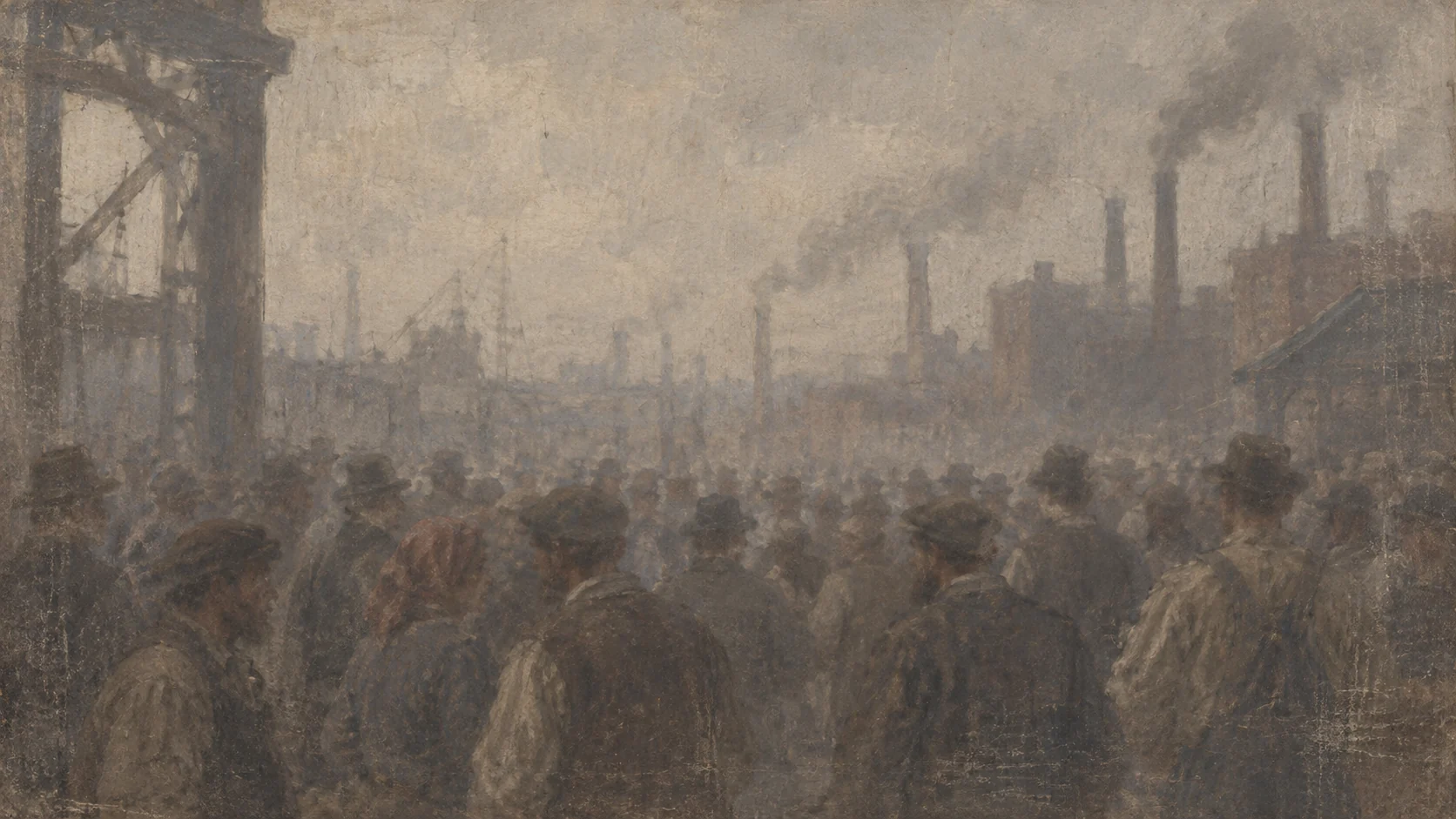
From about 110,000 members in 1885 to roughly 720,000 by July 1886. Victory convinced workers that the Knights could matter.
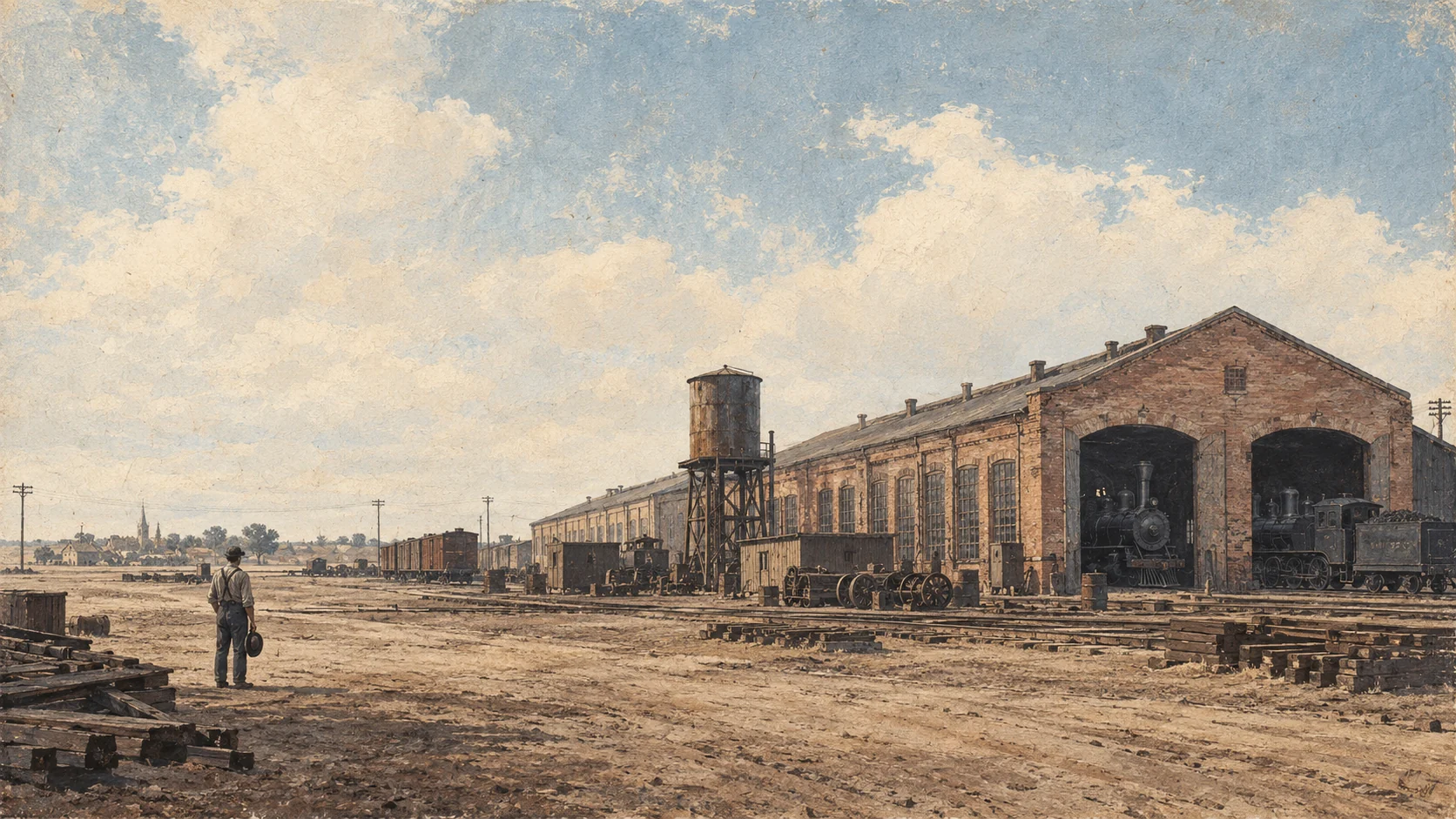
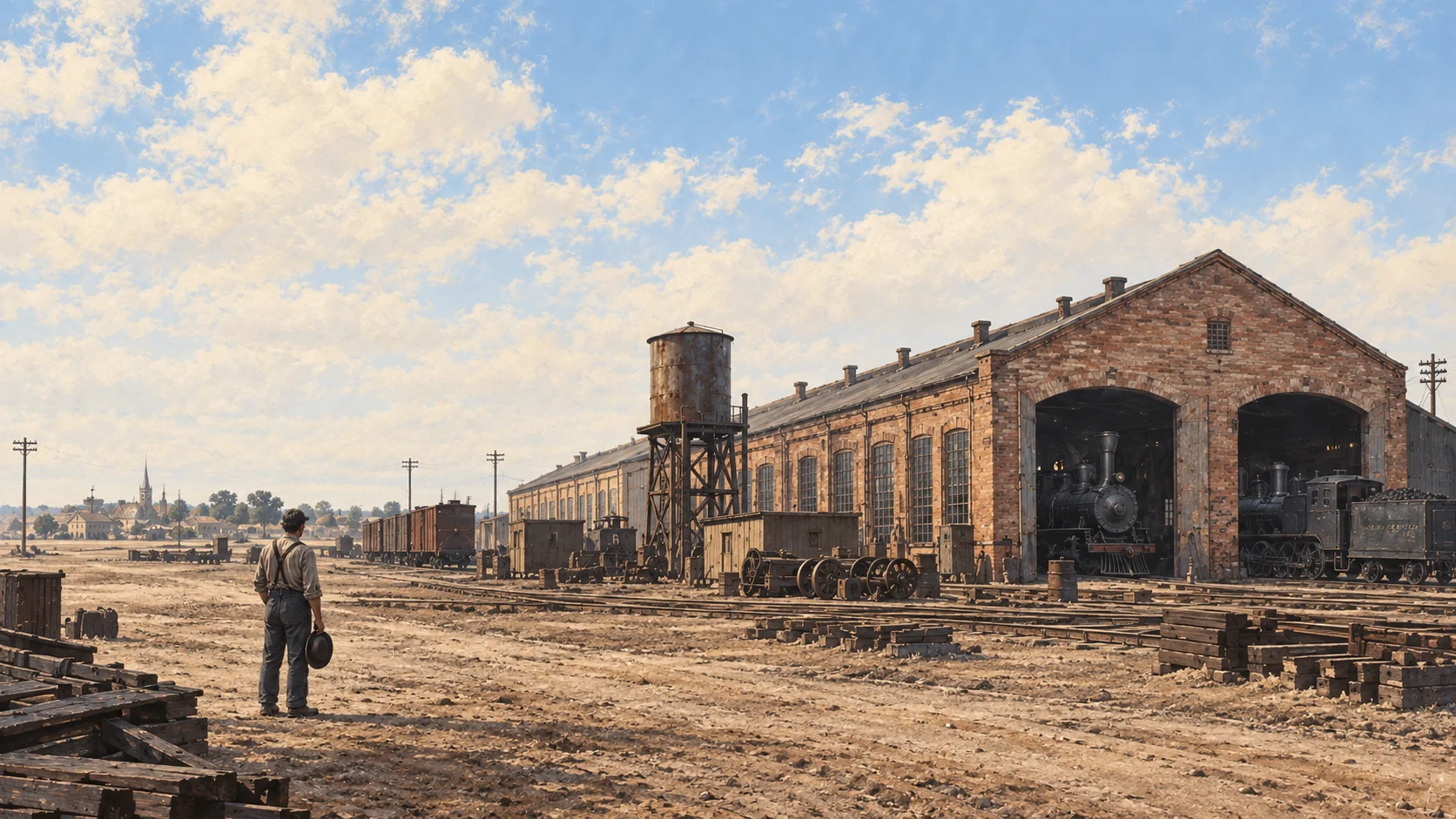
C. A. Hall, a Knights member at the Texas & Pacific shops in Marshall, was fired after attending a Knights meeting on company time. The union believed the firing violated the labor agreement won the year before.
The visual logic flips. In 1885, stopped trains meant union leverage. In 1886, trains continue running—and the Knights cannot force the railroad system to stop.
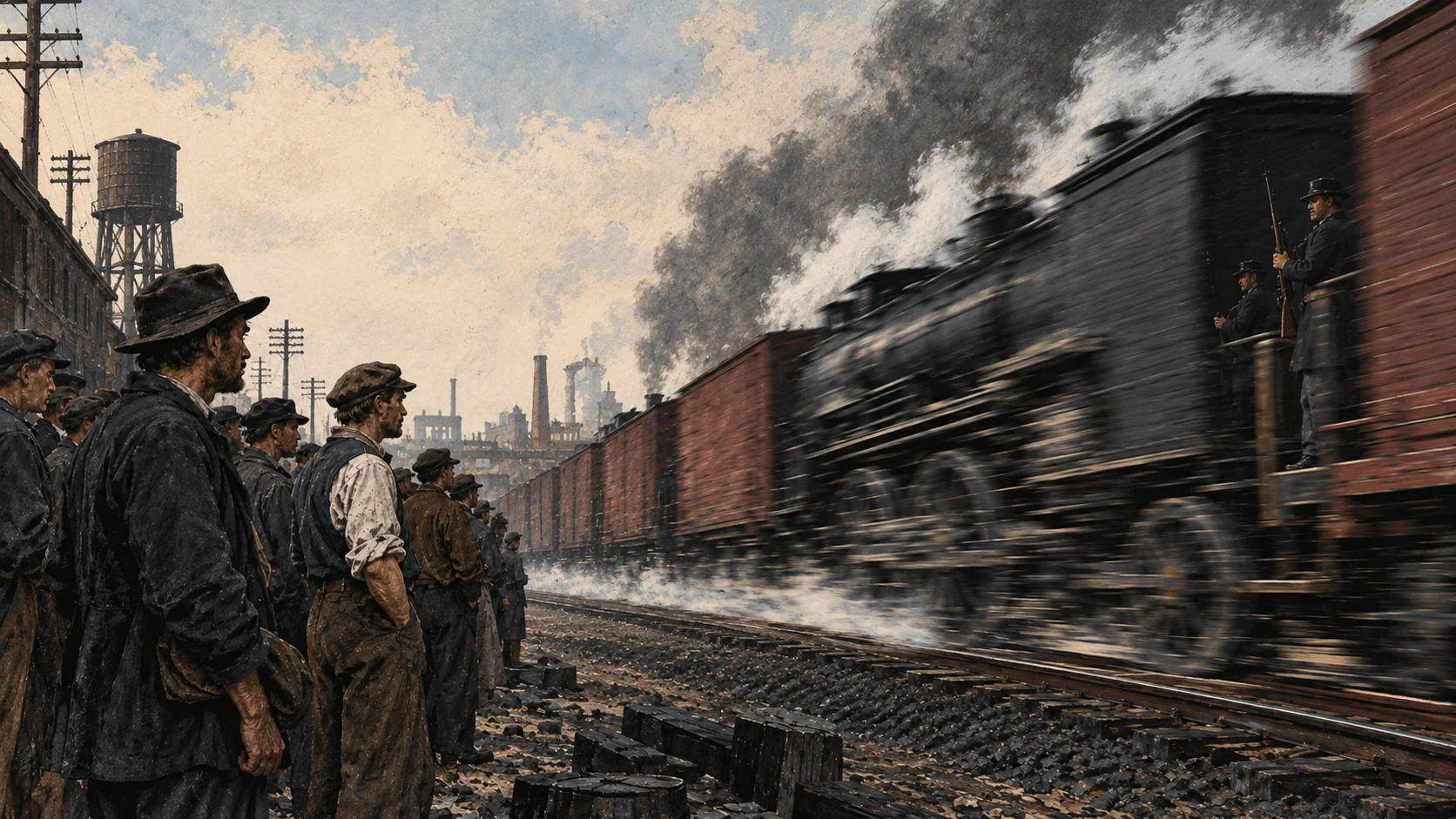
Railroad brotherhoods did not fully join the strike, so trains kept running. Replacement workers, federal injunctions, armed deputies, railroad security, and state forces increased the pressure. Once the railroad could keep operating, time favored the company.
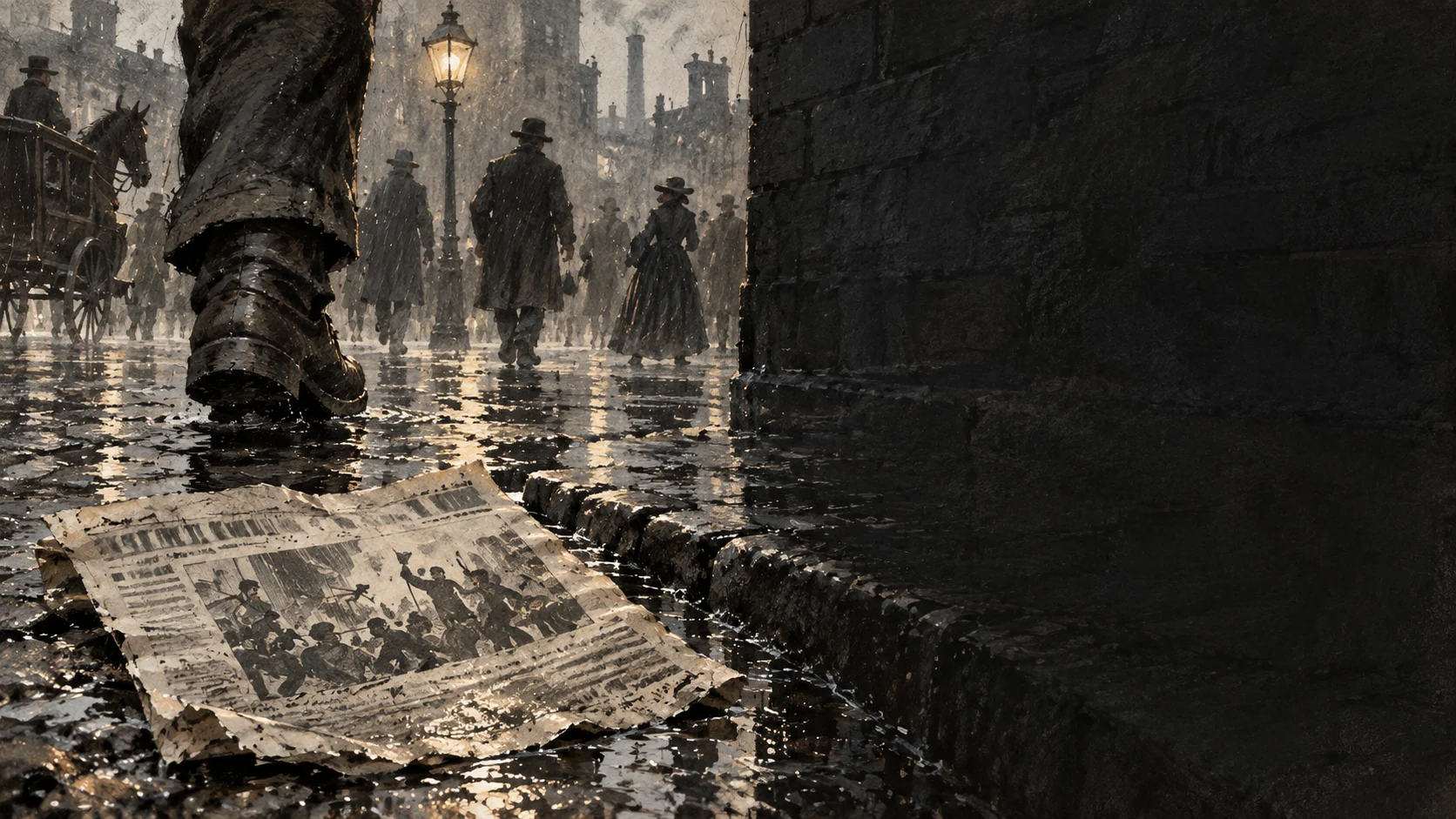
A labor rally at Haymarket Square ended catastrophically after a bomb was thrown as police moved in. The Knights of Labor did not organize or control the meeting.
Public reaction did not carefully distinguish among unions, anarchists, socialists, radical activists, and different labor organizations. The largest labor organization in the country absorbed part of the backlash while already weakened by the failed railroad strike.
The Knights tried to unite a very broad workforce around sweeping reform. The American Federation of Labor chose a narrower craft-union structure and a tighter workplace focus.
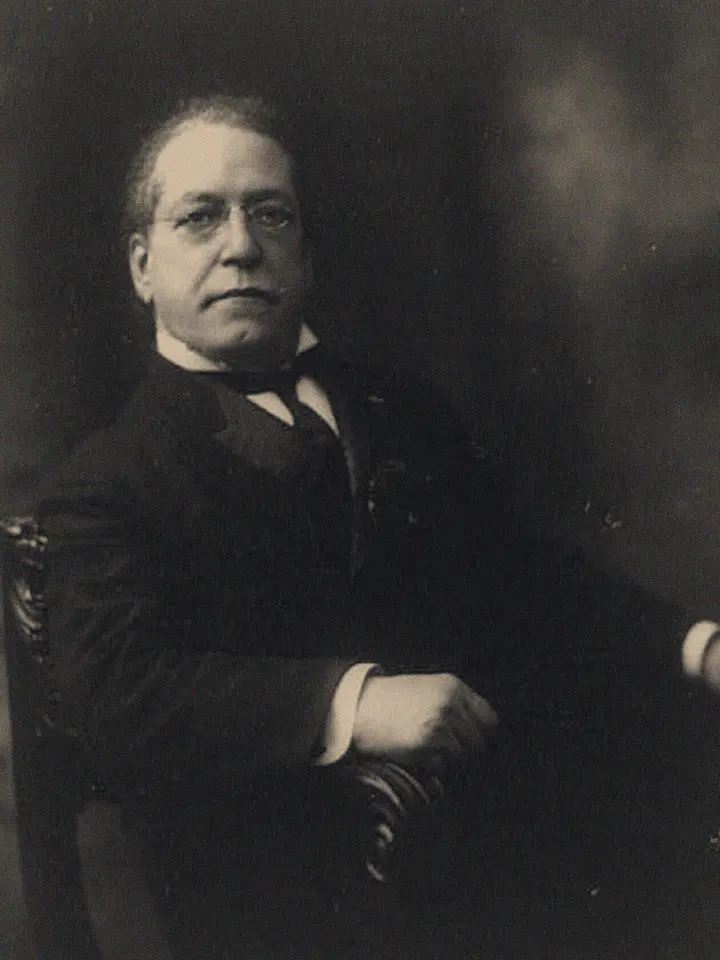
The AFL, founded in 1886 with Samuel Gompers as its first president, organized mainly through autonomous craft unions. That narrower structure could be easier to coordinate, but it also left many less-skilled and marginalized workers outside much of the early federation’s power.
The vocabulary comes last because the story gives the words something to attach to. Every definition below is native HTML so it stays selectable, accessible, editable, and historically precise.
The cinematic layer steps aside here. This is the compact sequence you should be able to reconstruct after moving through the story.
Most image assets on this page are stylized historical illustrations or source-derived reinterpretations. Two are unaltered Library of Congress photographs, tonally graded to match the page and credited where they appear. The surrounding factual context is kept separate and grounded in public-history and research collections.