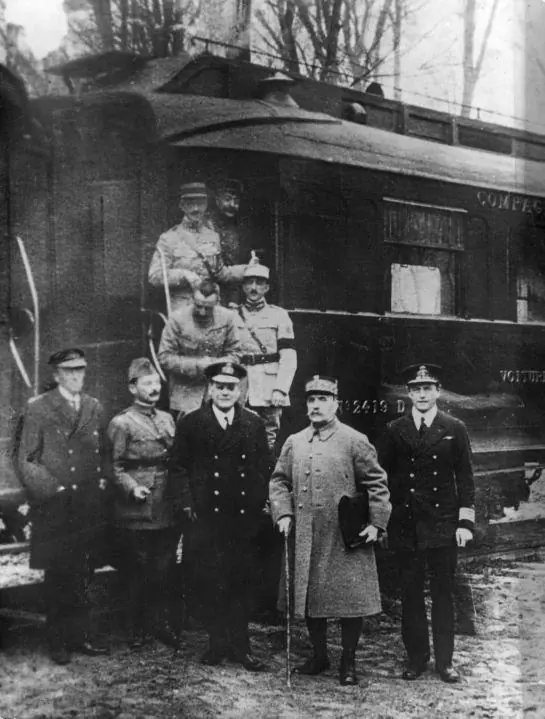
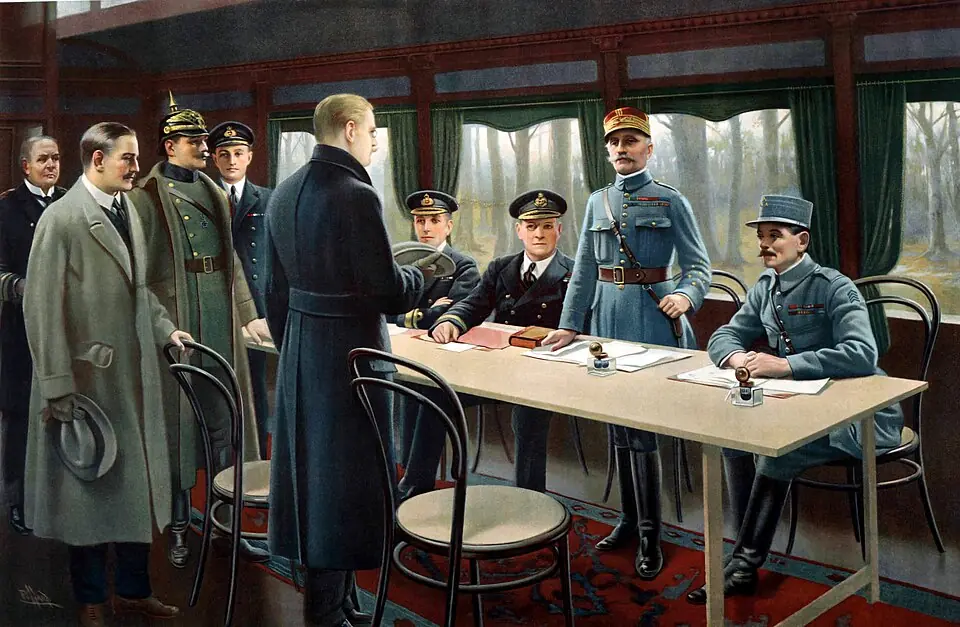
No. 1Forest of Compiègne, France5:12 a.m.
The signatures
By November 1918, World War I had gone on for four years and three months. Around nine million soldiers were dead.
Germany was running out of men, food, and allies. Its leaders asked for an armistice, an agreement to stop fighting.
The meeting happened in a railroad car parked in a forest about forty miles north of Paris.
At about 5:12 in the morning on November 11, the Germans signed.
The fighting would stop at 11:00. Until then, the war was still on.
No. 2Siding at RethondesNovember 8 to 11
The car
Marshal Ferdinand Foch, the French general in command of all the Allied armies, ran the meeting from his private train.
Step inside. Then move the clock and watch the morning come up.
Dining car 2419D
Pick a view. Drag or use the arrow keys to circle the car. The slider moves the clock from 5:00 to 11:00.
A stylized model for study. The real car was a 1914 wooden dining car with a steel frame, one of a series of about twenty identical cars.
No. 3Conditions of the armisticeSigned 5:12 a.m.
What Germany agreed to
An armistice is not a peace treaty. It is a stop. The terms were written so Germany could not start again.
German troops had fifteen days to leave France, Belgium, Luxembourg, and Alsace Lorraine. Allied troops would occupy German land west of the Rhine River. The naval blockade that was starving Germany stayed in place.
Then Germany had to hand over the tools of war.
The handover
Each square is 1,000 items. Pick one to count it out.
= 1,000
Guns and planes fight a war. Locomotives, railroad cars, and trucks move one. Germany gave up both.
No. 4Allied headquartersTime chosen for the ceasefire
Why wait until 11?
The front ran more than four hundred miles. Word had to reach every army by telephone, telegraph, radio, and runners.
The hour was also easy to remember. The eleventh hour of the eleventh day of the eleventh month.
Two days earlier, Foch had ordered his armies to keep up the pressure until the end. Nobody told them to stop attacking before 11:00.
Every commander knew the war would end at eleven. Each one decided what to do with the time that was left.
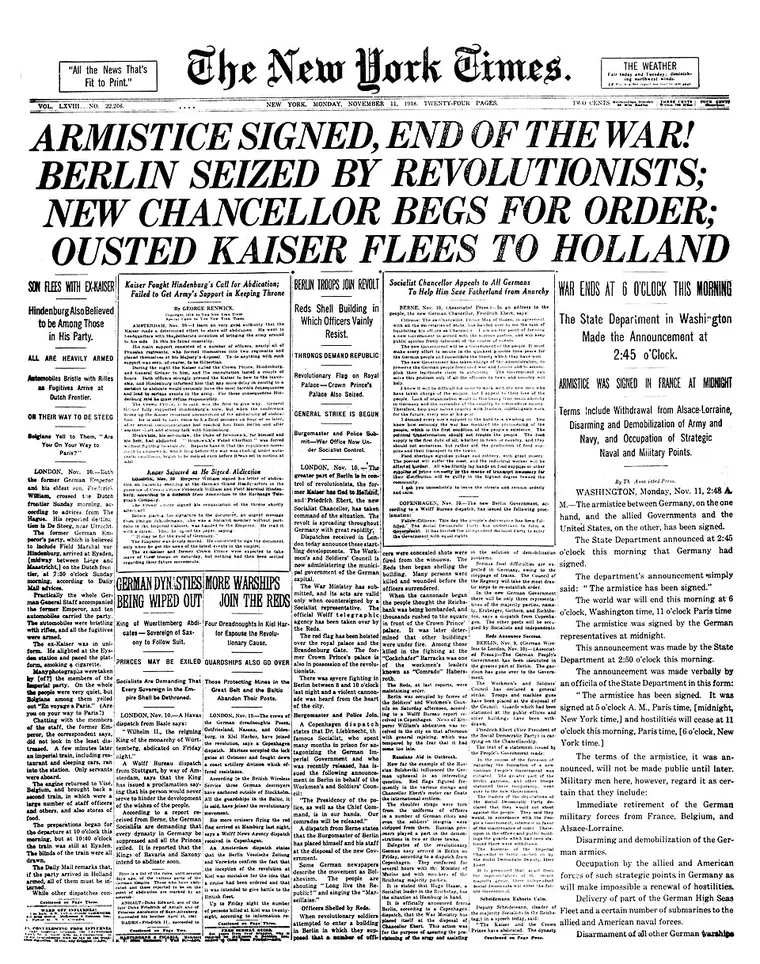
No. 5Western Front5:00 to 11:00 a.m.
The six hours
Drag the clock forward. Events appear as the minutes pass.
348
minutes until the guns stop
Most attacks happen in daylight, and the sun came up after the signing. Most of the last day's casualties came after everyone knew when the war would end.
No. 6Belgium and France9:30 to 10:59 a.m.
The last four
Four men, four armies, ninety minutes. Each is remembered as the last of his country killed in the war. Open each one.
Choose a soldier.
Portraits of Trébuchon, Price, and Gunther, public domain. No free photograph of Ellison could be used here.
No. 7Chaumont devant Damvillers, France10:59 a.m.
Henry Gunther
Henry Gunther was a bank clerk from Baltimore, drafted in September 1917. He went to France as a supply sergeant with the 313th Infantry, a regiment called Baltimore's Own.
He wrote a letter home telling a friend how bad things were and warning him not to enlist. An Army censor read it. Gunther was busted down to private.
On the last morning his unit was ordered forward near a French village. Two German machine gun teams blocked the road.
The Germans knew the war had minutes left. Men who were there said the Germans tried to wave him back. Gunther kept charging with his bayonet.
A burst of fire killed him at 10:59. One minute to go.
Full story
Gunther's regiment was part of the 79th Division. On the morning of November 11 the division was ordered to attack at 9:30, although the time of the armistice was by then common knowledge along the front.
Why Gunther charged is not known. Some of the men with him believed he was trying to win back his rank. A Baltimore Sun reporter who talked to his platoon after the war told the story that way.
General John J. Pershing's order of the day afterward named Gunther as the last American killed in the war. The Army restored his rank of sergeant after his death. His body came home to Baltimore in 1923.
No. 8Washington, D.C.November 1919
Why attack at all?
A year later, Congress asked General Pershing why American divisions had attacked on a morning when everyone knew the war would end at eleven.
Here are the reasons on the record. Decide whether each one holds up. Then read what the record says.
Nothing here is graded. Your marks are only for you.
No. 9Every November 1111:00 a.m.
From Armistice Day to Veterans Day
When the guns stopped, men climbed out of the trenches and celebrated. Back home, people poured into the streets.
November 11 became Armistice Day, a day to remember the war that was supposed to end all wars.
It did not end all wars. So the day changed.
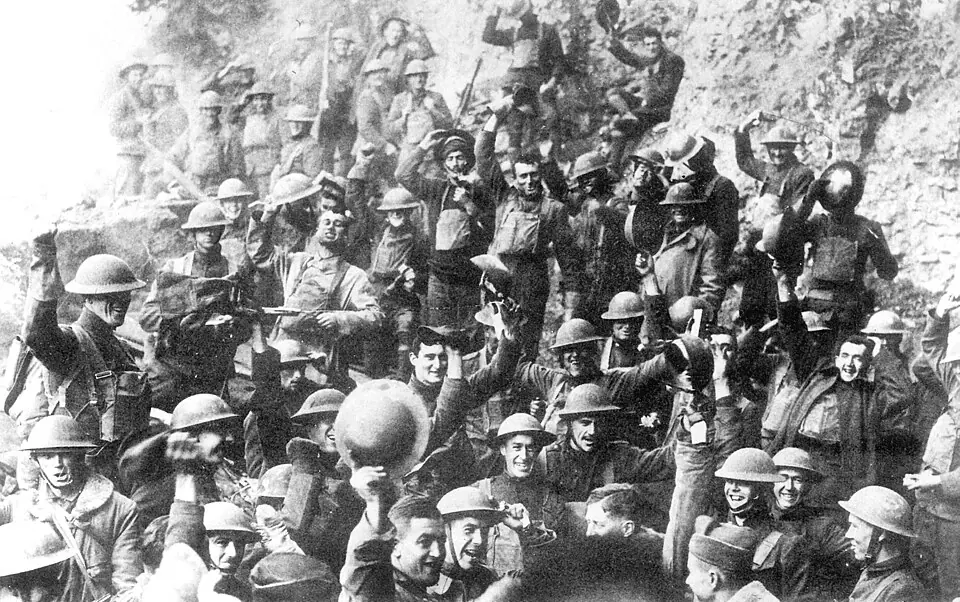
President Woodrow Wilson marks the first Armistice Day.
An unknown American soldier is buried at Arlington National Cemetery on November 11.
Congress makes November 11 a national holiday.
After World War II and Korea, the day is renamed Veterans Day to honor veterans of every war.
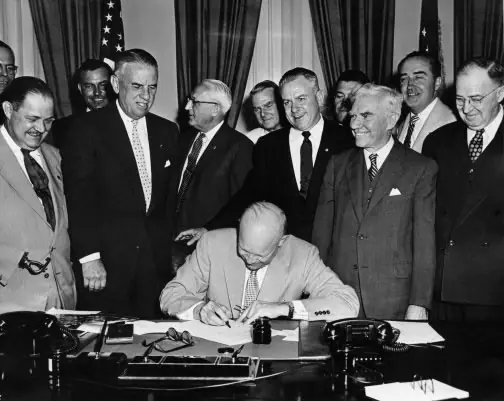
The holiday still keeps the same hour. The eleventh hour of the eleventh day of the eleventh month.
Glossary