The Union Stock Yards opened on Chicago's South Side on Christmas Day, 1865. Railroads hauled in cattle and hogs from across the West, and giant packers like Armour and Swift shipped the meat out in refrigerated railcars to the whole country and across the ocean. Tens of thousands of people worked in the plants, many of them immigrants from Lithuania, Poland and Slovakia.
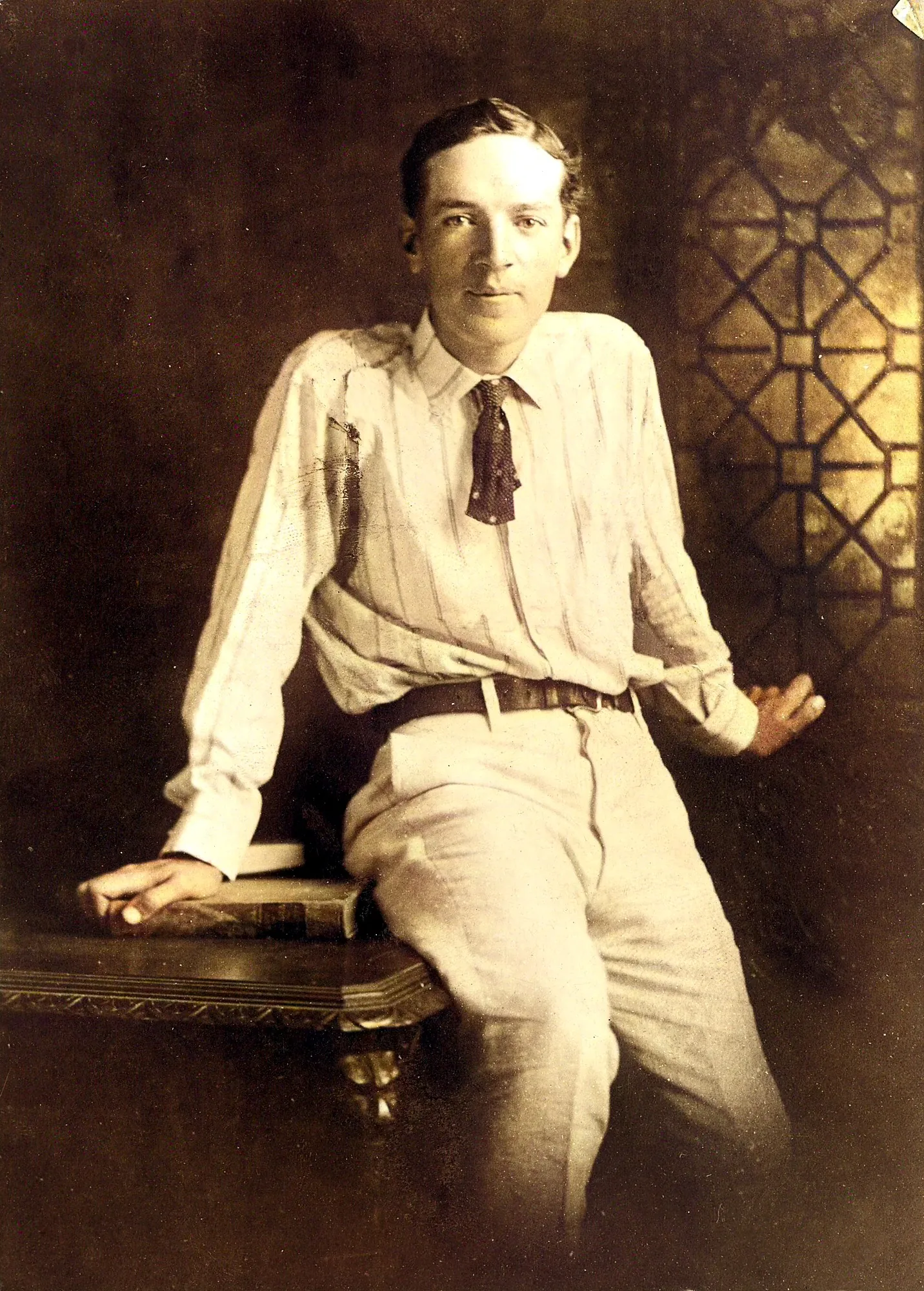
Upton Sinclair was 26, broke, and a socialist. Fred Warren, editor of a socialist weekly called Appeal to Reason, paid him a 500 dollar advance to write a novel about the packinghouse workers. In the fall of 1904 Sinclair put on old clothes, picked up a workman's lunch pail, and walked into the plants. Nobody stopped him. He spent seven weeks there, talking to workers in their homes at night.
WHY A NOVEL AND NOT A NEWS STORY
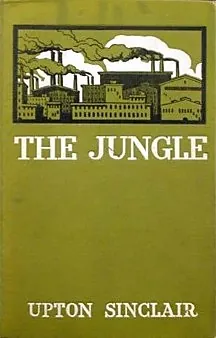
Tarbell spent five years proving every sentence. Sinclair did something that sounds like cheating. He invented a family, the Rudkuses, gave them names and hopes, and then walked them through every disaster he'd heard about in Packingtown. Jurgis Rudkus never existed. The plants, the swindles and the injuries mostly came from real interviews.
Why would that work better? Think about the difference between reading that thousands of workers get hurt and watching one character you care about lose his job after an injury. The second one sticks. That's what fiction does. The catch is that a novelist doesn't have to prove anything. A scene can be a real event, a rumor, or three stories mashed into one, and the reader can't tell which. So the government sent its own people to check.
Hundreds of acres of pens, rail lines and slaughterhouses. The packers liked to say they used everything but the squeal.
Fiction meets the inspectors.
Theodore Roosevelt thought Sinclair exaggerated, but he could not ignore the public panic. He sent two men he trusted to Chicago: Charles P. Neill, the U.S. Commissioner of Labor, and James Bronson Reynolds, a lawyer and settlement house reformer. Their visit was short and announced ahead of time, so the plants had a chance to clean up. Roosevelt sent their report to Congress on June 4, 1906, and called the conditions revolting. For each scene from the novel, predict whether the investigators backed it up.
Meat that hit the filthy floor went right back into production.
Workers had nowhere to wash their hands before touching the meat.
Men fell into the open lard vats and went out to the world as Anderson's Pure Leaf Lard.
The packing houses were dark, dirty and unsafe for food.
I aimed at the public's heart, and by accident I hit it in the stomach.Upton Sinclair, Cosmopolitan, October 1906
Two laws in one day.
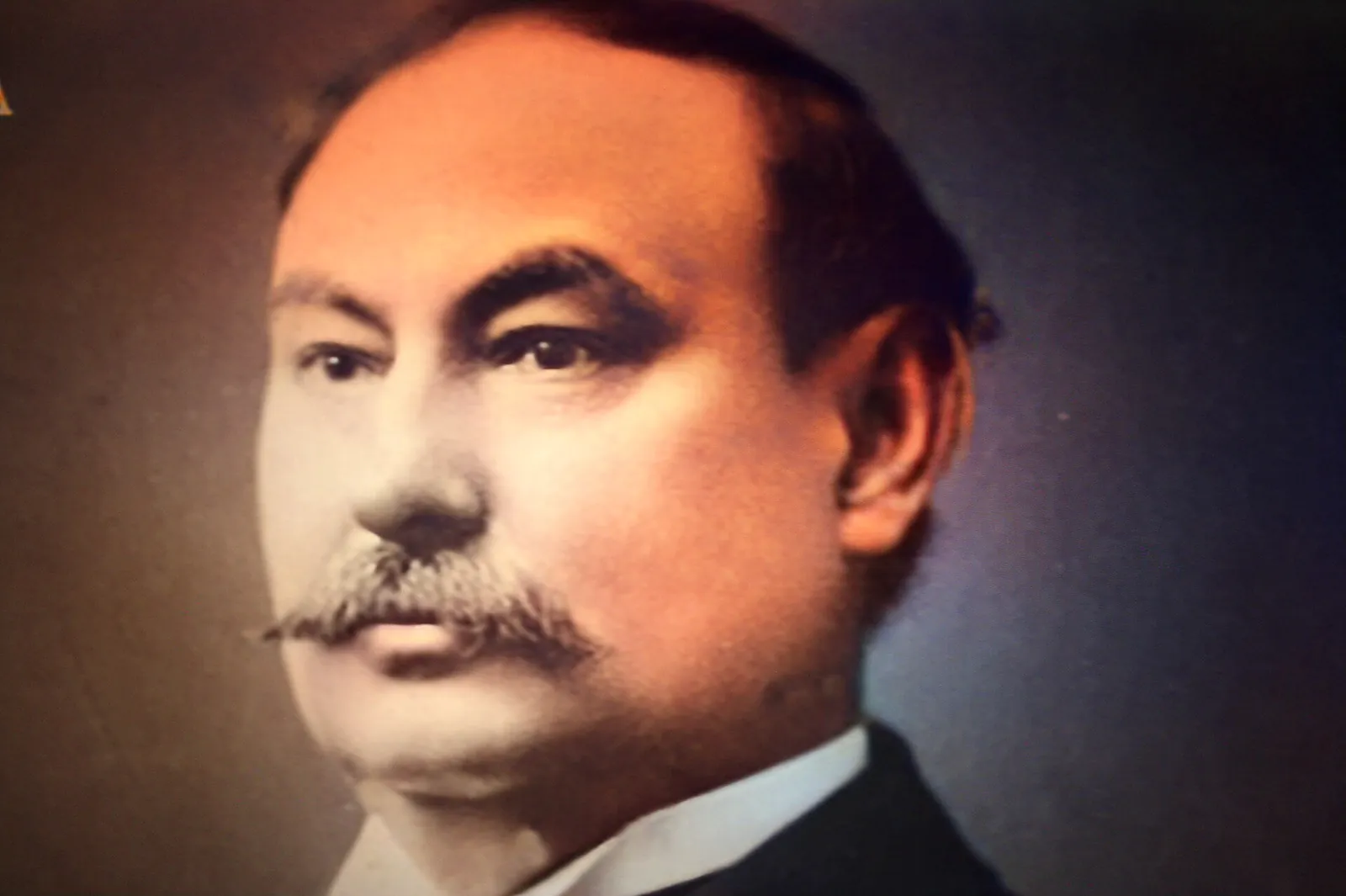
Roosevelt signed the Meat Inspection Act and the Pure Food and Drug Act on the same day. The first put federal inspectors inside every plant that shipped meat across state lines. They examined animals before and after slaughter, and the government paid them, so the packers could not buy their loyalty. The second banned mislabeled or adulterated food and medicine in interstate trade, and it forced labels to name dangerous ingredients like morphine, opium and cocaine. Earlier that spring, on April 14, Roosevelt had complained about reporters who never stopped raking up filth. He called them muckrakers. The reporters kept the name.
WHAT ADULTERATED MEANS
Adulterated food has something mixed into it that shouldn't be there, usually something cheaper or something meant to hide a problem. In 1906 that could mean chemicals that made spoiled meat look and smell fresh, or a bottle of cough syrup that was secretly full of morphine with nothing on the label to say so. You'd buy it in good faith and have no way to know. The 1906 law didn't make every food safe overnight. It made lying about what's inside a federal crime when the product crossed state lines.
Now go back to Jurgis Rudkus and his family. The novel was about their lives. Sort each of their problems. Did the 1906 laws fix it?
Every fix protects the customer. None protects Jurgis. That is what Sinclair meant by hitting the stomach. Some big packers even came to support inspection, because a government stamp helped convince Europe that American meat was safe to buy again.
Review day. Three muckrakers go head to head.
- Upton Sinclair, The Jungle, Doubleday, Page and Company, 1906. Chapter 9 lard vat passage.
- Theodore Roosevelt, Special Message to Congress transmitting the report of Charles P. Neill and James Bronson Reynolds on conditions in the Chicago stock yards, June 4, 1906.
- Upton Sinclair, What Life Means to Me, Cosmopolitan, October 1906.
- Meat Inspection Act and Pure Food and Drug Act, signed June 30, 1906.
- Photographs, postcard and covers: Upton Sinclair about 1906, Harvey Wiley about 1905, a Union Stock Yards postcard, and the 1906 first edition cover of The Jungle, public domain via Wikimedia Commons. Colorized for this lesson with the DDColor model.