ByteSize no. 23 · World War I · 1914 to 1917
Why they fought
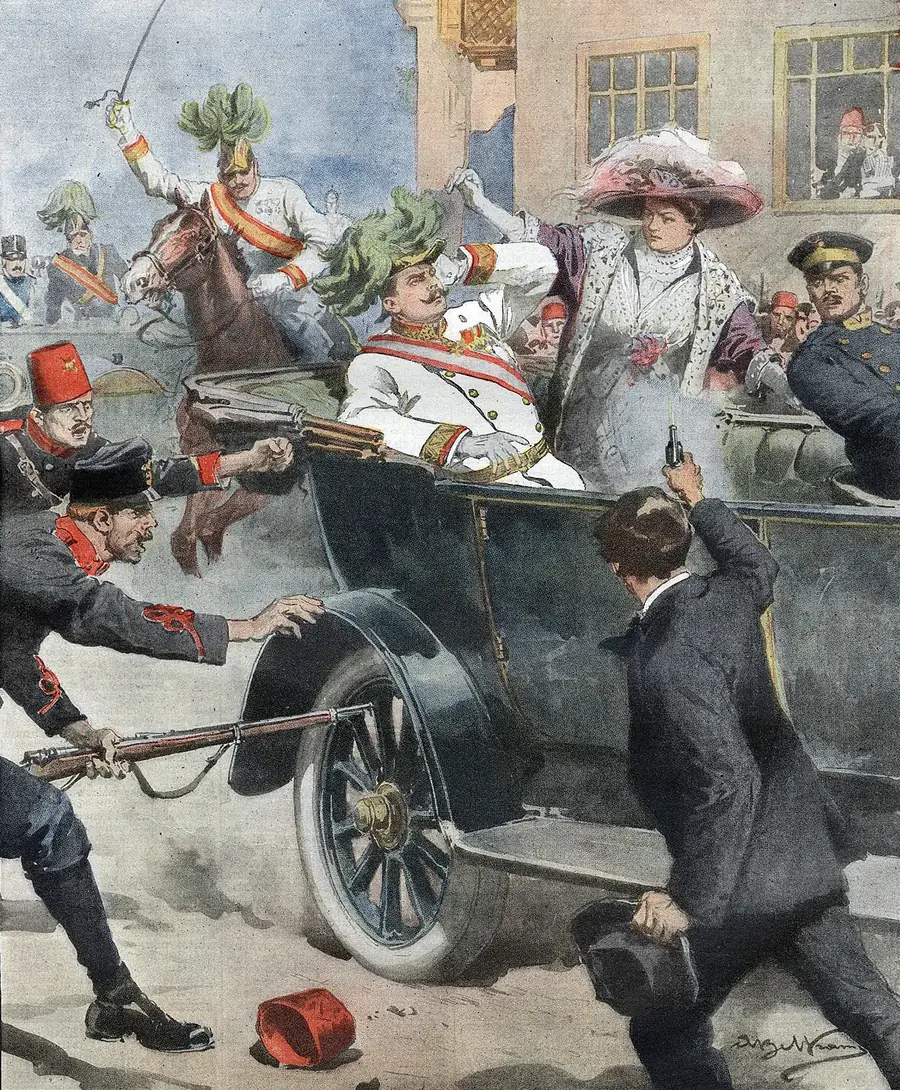
One assassination in Sarajevo. Nine countries at war. Did any of them go to war for the same reason?
Every government that joined had something it was afraid of losing and something it hoped to win. Open each country's file, predict the next domino, then size up the powers with real numbers.
Open the files
By 1914 Europe had split into two armed camps. The Allies, also called the Entente, were France, Russia and Britain. The Central Powers were Germany and Austria-Hungary. Smaller countries and latecomers picked a side as the war went on.
Pick a seat at the table. Every file shows who made the call, what that country feared, what it wanted, and the words someone said at the time.
Files opened: 0 of 9
Predict the next domino
People often say the alliances made war automatic. They did not. At every step a government chose. Use what you read in the files to predict each move, then see what really happened and which motive drove it.
Size them up
Fear came from numbers. France counted German babies. Britain counted German battleships. Germany counted Russian railroad miles. Switch the board to see each power the way its rivals saw it.
Why America waited
In August 1914 President Woodrow Wilson told Americans to stay neutral. Millions of them had parents born in Germany, Ireland or Britain, and most wanted no part of a European fight. American banks and factories kept selling to both sides, though far more to Britain and France, because the British navy blocked German ports.
- May 7, 1915
A German submarine sinks the British liner Lusitania off Ireland. 1,198 people die, 128 of them Americans. Germany later promises to warn ships before sinking them.
- Feb 1, 1917
Germany breaks that promise and declares unrestricted submarine warfare. Its generals bet they can starve Britain before American troops arrive.
- Mar 1, 1917
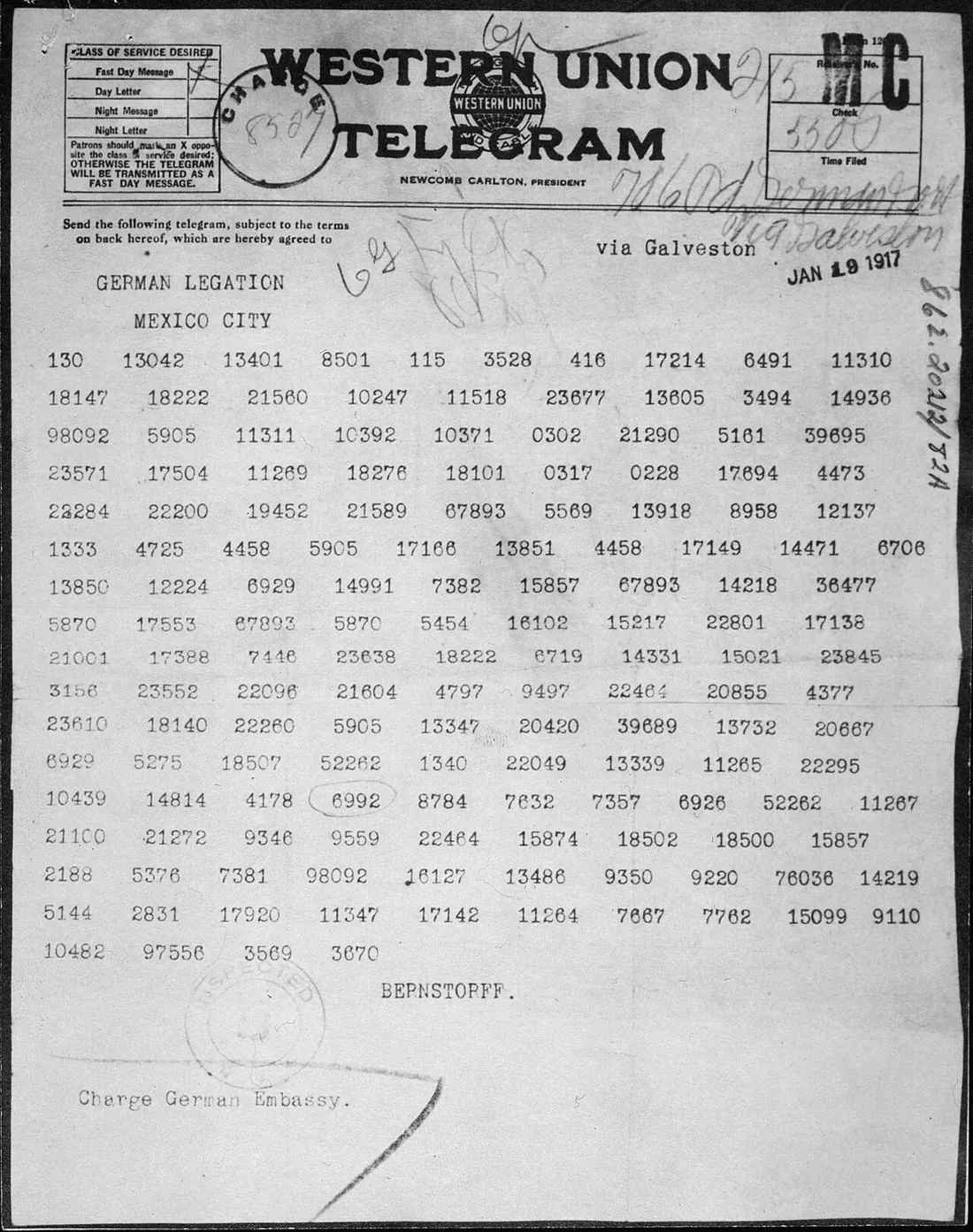
American newspapers print the Zimmermann Telegram. Germany had offered Mexico the return of Texas, New Mexico and Arizona if Mexico would attack the United States.
- Apr 2, 1917
Wilson asks Congress for war and tells it that "the world must be made safe for democracy."
Watch the whole chain
Historians at the Imperial War Museums in London walk through the same crisis in about nine minutes. Listen for the moment they say the war was not preordained.