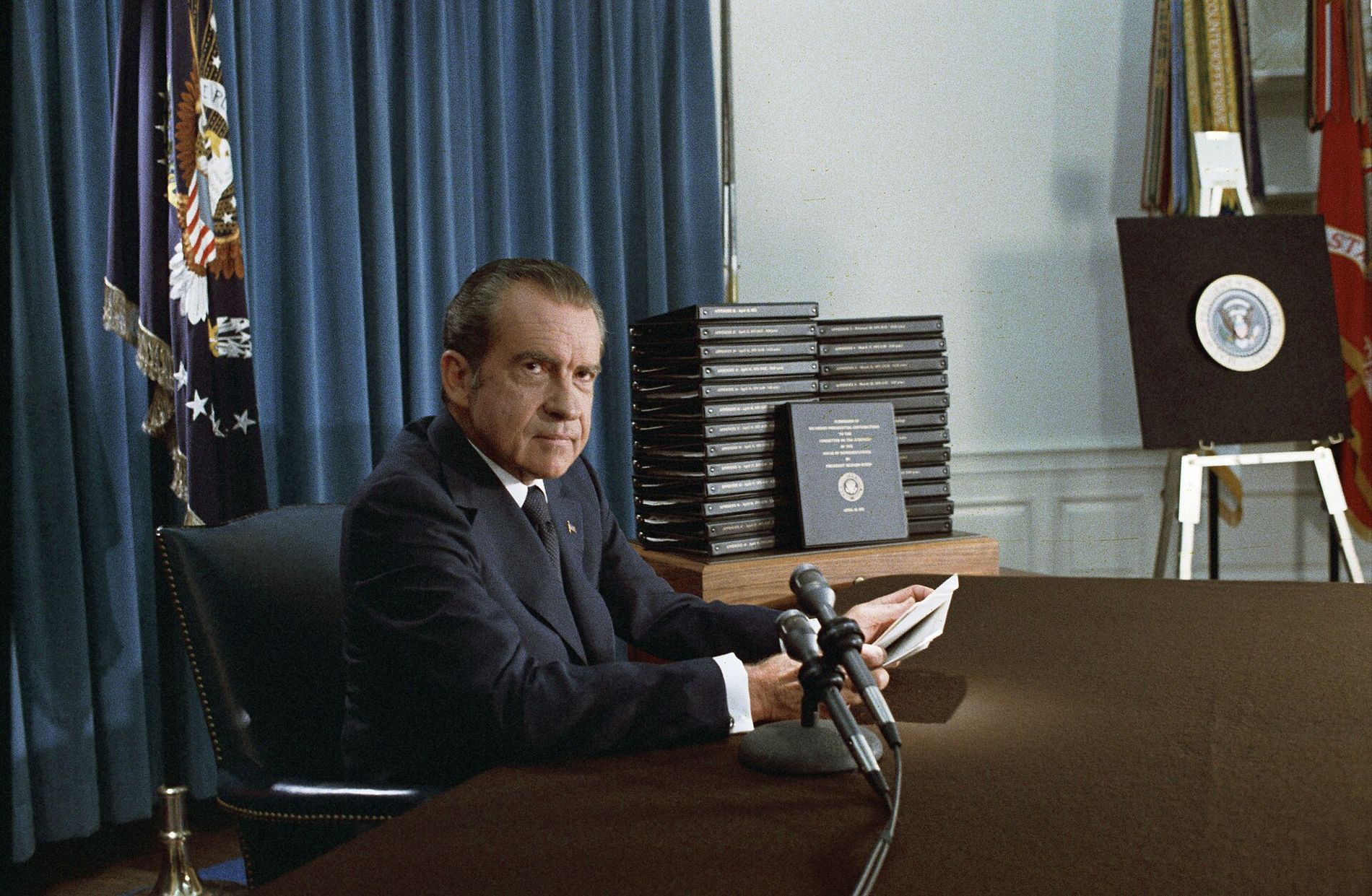
scrollytelling lessons

storyhubs.

a full class period told as one story you scroll through, built from real sources and original artwork.

11 published · more arriving through the year

what a storyhub is

Not a slideshow and not a worksheet. You scroll, the story moves, and the evidence shows up where the argument needs it. Every figure and date on the screen traces back to a source listed at the bottom of the page, and every photograph of a real person is a real photograph.
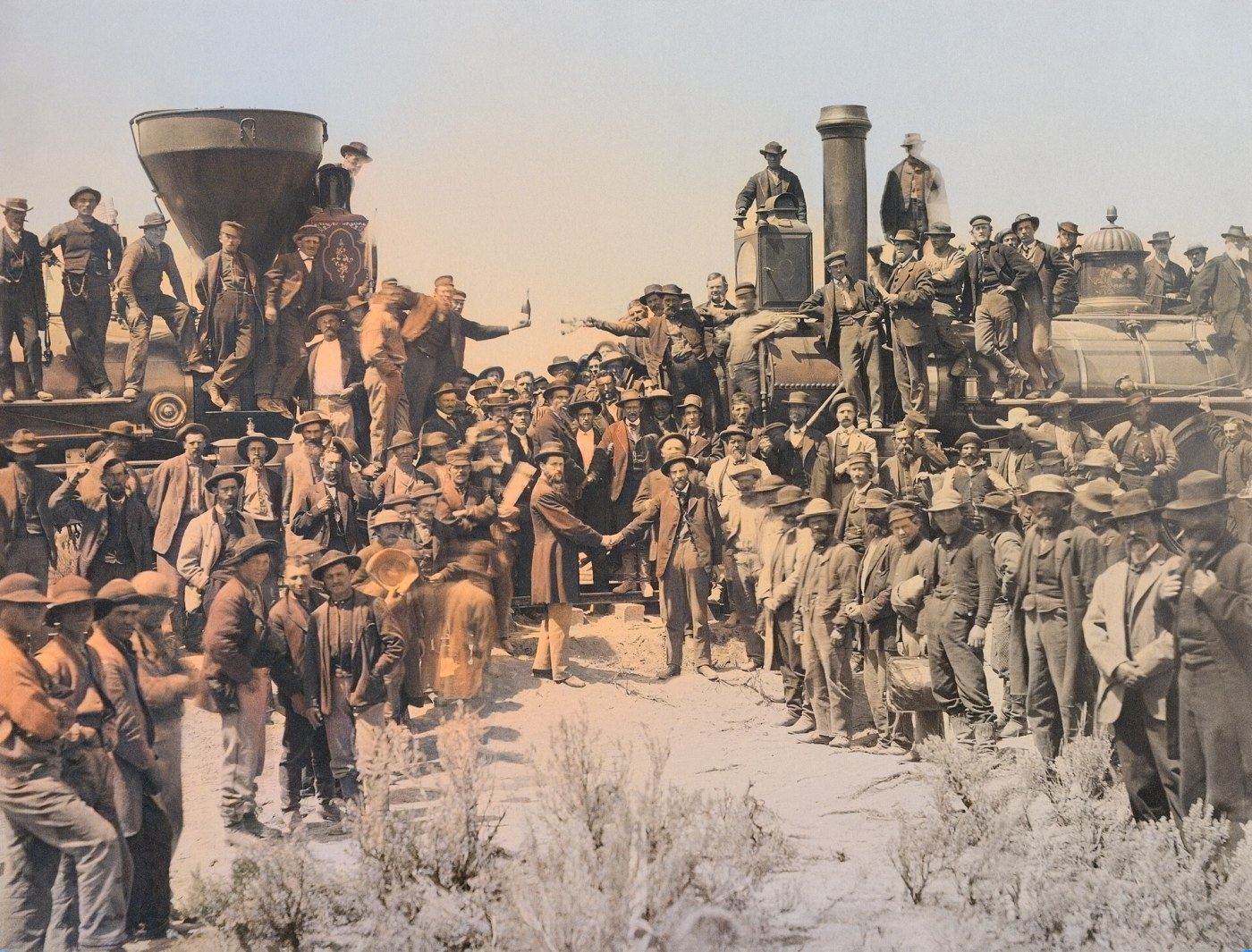
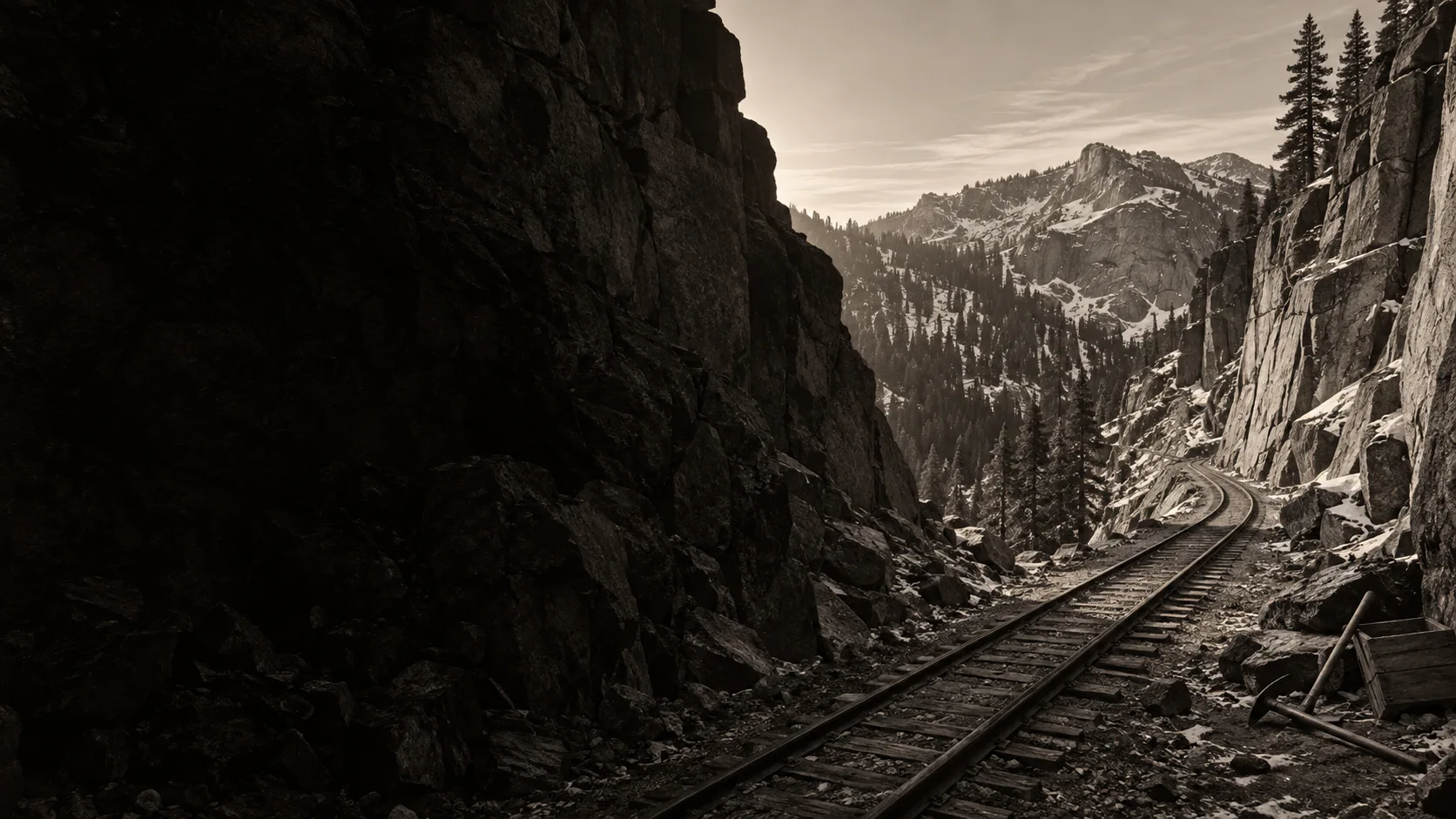
AI-authored reconstruction of an empty railroad cut in the Sierra Nevada
us history 9· unit 02 / the gilded age· 1867–1885ready to teach

the one that passed · episode one

politicians did not fix low wages. they made exclusion federal law.

Chinese railroad workers join the labor fight. Economic anger turns against them. Congress answers one labor demand with the Chinese Exclusion Act, and the consequences spread west.

  • Stamp five labor demands and discover which one received federal power.
  • See how the Page Act shaped families before the 1882 exclusion law.
  • Follow the vote, the population change, and the Rock Springs massacre to the episode’s answer.
open the story →
  • chinese exclusion
  • nativism
  • labor
  • page act
  • rock springs
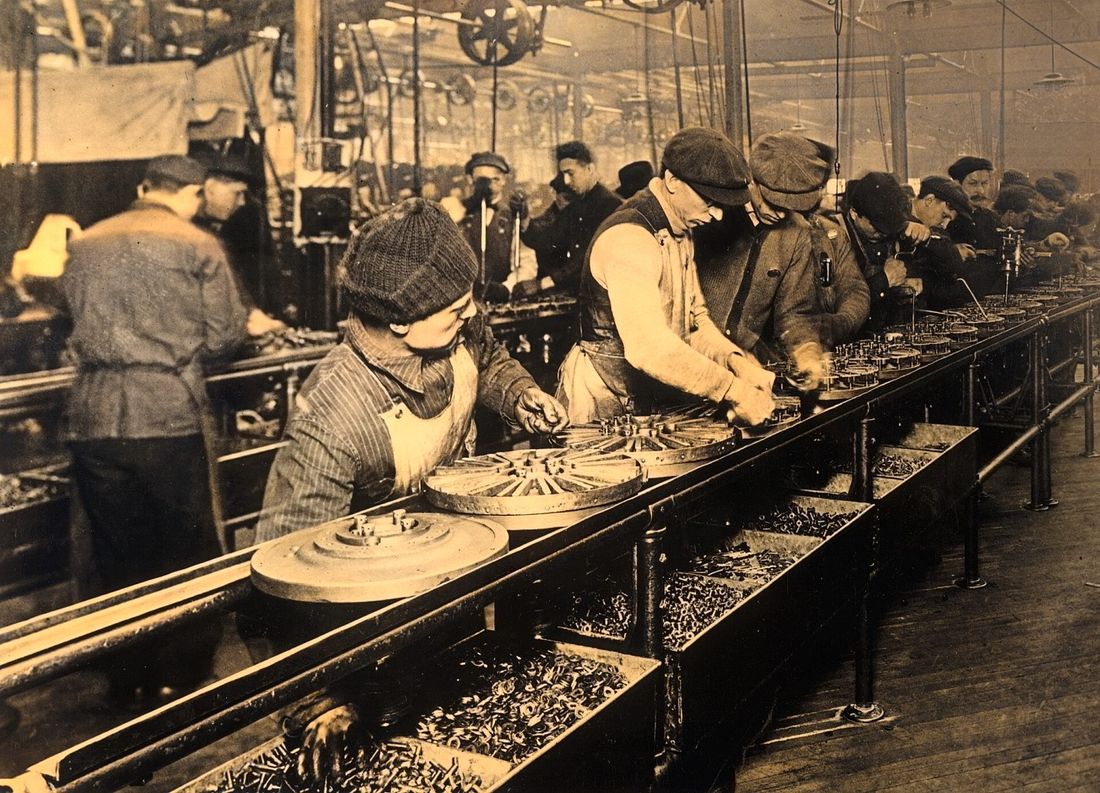
AI-authored reconstruction of an 1880s steamship approaching the California coast
us history 9· unit 02 / the gilded age· 1885–1943ready to teach

they said no · episode two

chinese americans organized, refused, sued—and changed the law.

Exclusion reaches homes, ships, identity papers, and courtrooms. Chinese Americans answer with mass resistance and cases that strengthen equal protection and birthright citizenship.

  • Move a ship carrying a valid return certificate that Congress cancels during the crossing.
  • Build a residence file and confront a legal condition the applicant cannot supply alone.
  • Follow Yick Wo, mass refusal, Wong Kim Ark, Angel Island, and sixty-one years of exclusion.
open the story →
  • chinese exclusion
  • civil disobedience
  • equal protection
  • wong kim ark
  • birthright citizenship
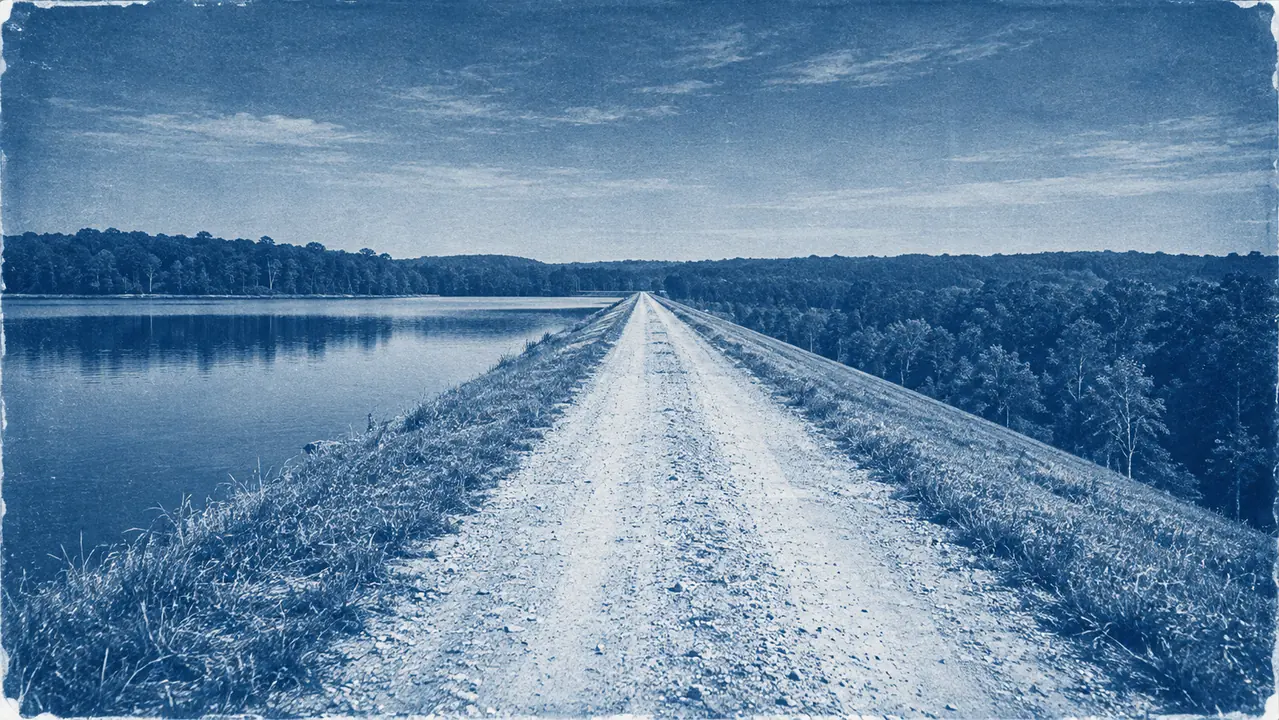
Generated cyanotype-style reconstruction of the road across the South Fork dam
us history 9· unit 02 / the gilded age· 1838–1889ready to teach

the margin

how many ordinary decisions can a safety margin survive before there is no margin left?

The South Fork dam begins as a state engineering project, is breached and abandoned, then returns as the centerpiece of a private club. Students follow the missing pipes, lowered crest, warnings, storm, flood path, liability fight, and the engineering disagreement that still matters.
  • A subtraction instrument that shows how safety features disappeared without inventing unsupported capacity percentages.
  • The fifty-seven minute route from the dam to Johnstown and the accepted death toll of 2,209.
  • Competing engineering conclusions presented as a real evidence disagreement rather than a fake certainty.
  • Persistent student notes, note repair, reduced-motion support, and a source-transparency panel.
open the story →
  • johnstown flood
  • south fork dam
  • gilded age wealth
  • liability
  • safety margin
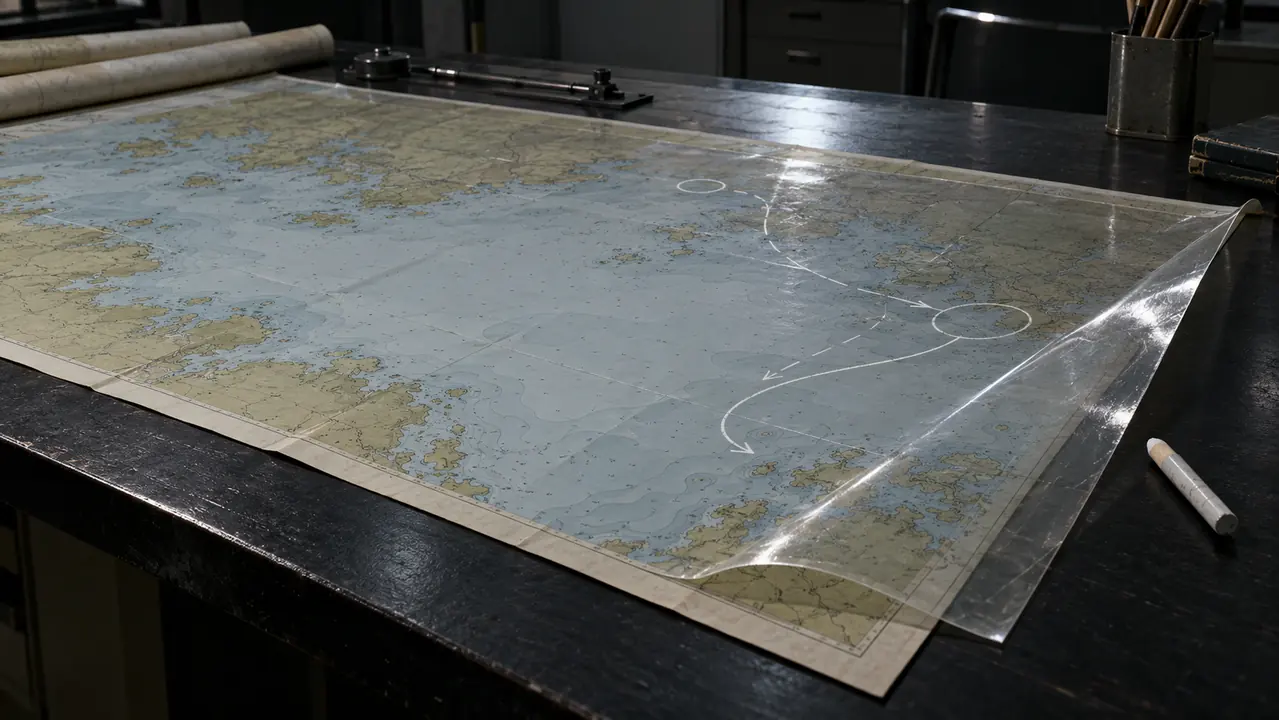
Generated reconstruction of a Cold War planning map stopped on an official desk
hidden history· standalone / evidence lab· 1962–1997ready to teach

the desk it stopped at

what can a real declassified document prove — and where does the evidence stop?

Operation Northwoods is real, signed, declassified, and routinely misused online. Students keep proposal, approval, and execution separate while following the paper from the Joint Chiefs to the desk where the released record stops.

  • An annex instrument that separates what was proposed from what was approved or carried out.
  • A status chain from request to draft to signed transmittal to the point where the released record stops.
  • A claim ladder that makes students decide how far one genuine document can carry a later claim.
  • Persistent student notes, note repair, reduced-motion support, and a source-transparency panel.
open the story →
  • operation northwoods
  • declassified records
  • primary sources
  • claim scope
  • corroboration
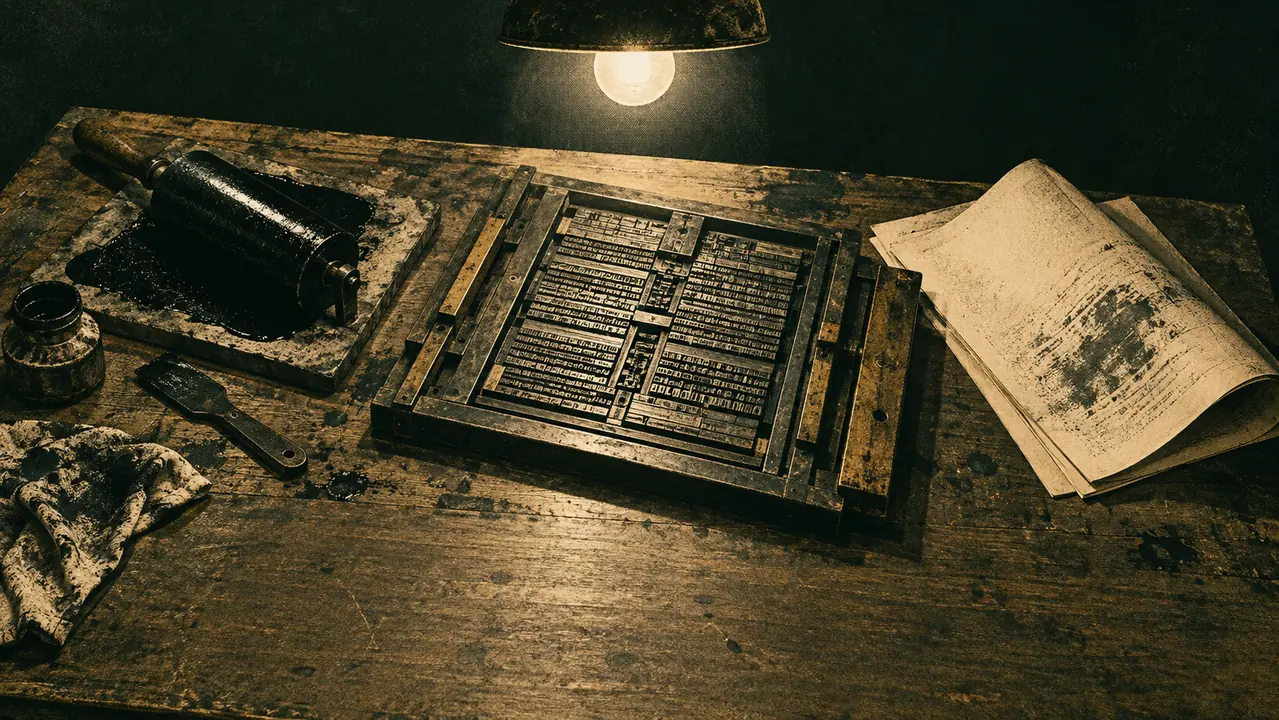
Generated sepia reconstruction of a 1905 football death tally on a wooden desk
beyond the scoreboard· the national stage / standalone· 1905–1912ready to teach

the death harvest

did the forward pass save football, or did the rule book need a deeper rewrite?

Newspapers turn football deaths into a national tally, Roosevelt brings college leaders to the White House, and the sport rewrites its rules. Then the counts rise again. Students test the famous forward-pass story against the rule book and the messy newspaper series.

  • A 1905 rule constraint test showing why mass plays made strategic sense under five yards in three downs.
  • A season series that preserves conflicting newspaper totals instead of turning them into fake official data.
  • The 1909 second crisis, the 1910 changes that attacked mass play directly, and the origins of the NCAA.
  • Persistent student notes, note repair, reduced-motion support, and a source-transparency panel.
open the story →
  • 1905 football crisis
  • theodore roosevelt
  • forward pass
  • ncaa origins
  • sports safety
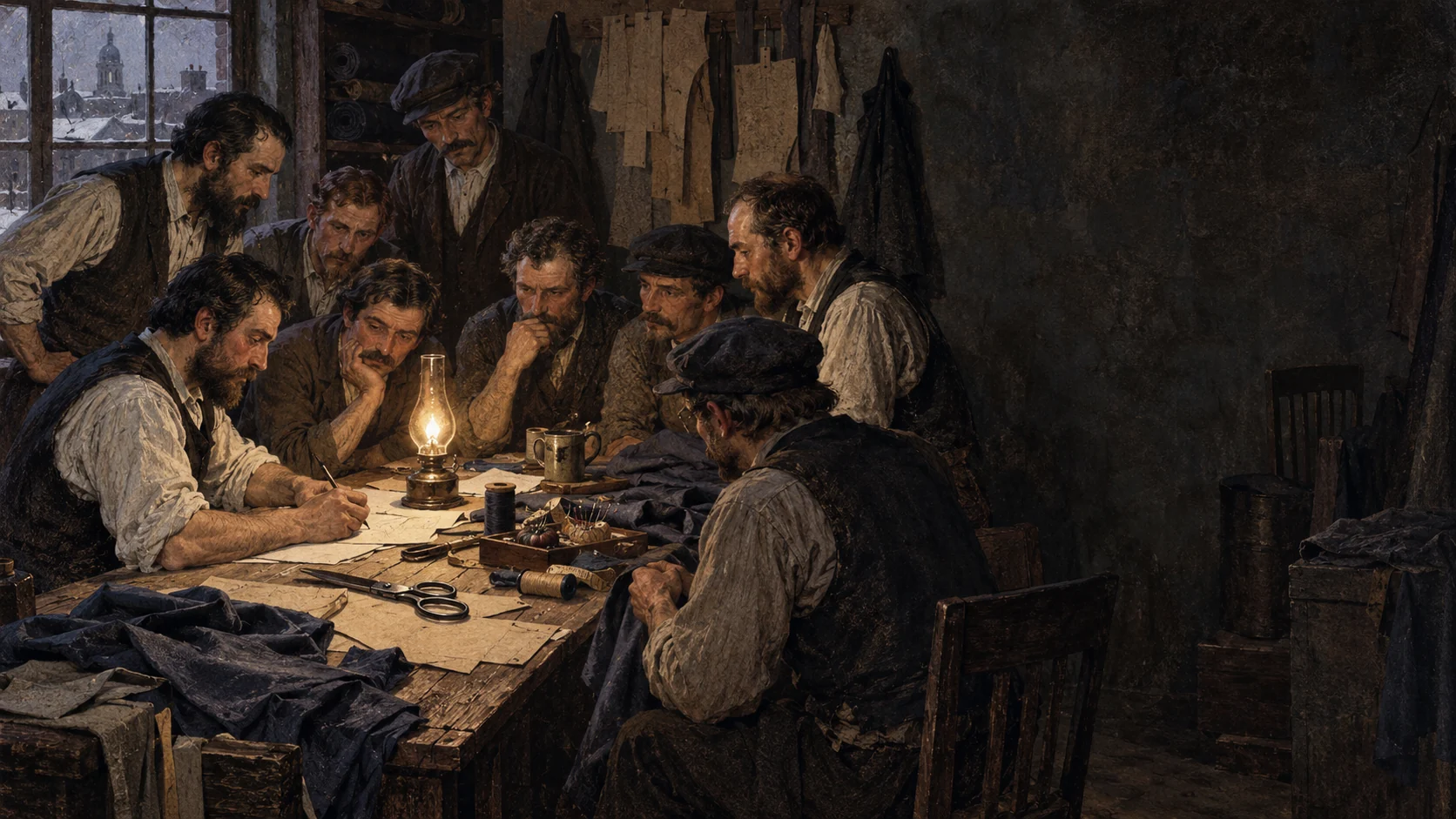
Illustrated reconstruction of Philadelphia garment cutters meeting privately in 1869
us history 9· unit 02 / the gilded age· 1869–1893ready to teach

unions & collective bargaining

what changes when workers stop negotiating as individuals and begin acting together?

A tiny secret society of Philadelphia garment cutters becomes the largest labor organization in the country, beats one of the richest railroad owners in America, grows almost sevenfold, and then collapses in about two years. The story runs from a locked room in 1869 to a five state strike that reached ten thousand workers and still lost.

  • A scale you can move from one worker to ten thousand, with what actually changes for the employer and for the workers at every step.
  • The firing of C. A. Hall in Marshall, Texas, followed out to the five states it stopped.
  • Archival photographs of Jay Gould and Samuel Gompers from the Library of Congress, with the record for each.
  • A note repair board and a source list students can check for themselves.
open the story →
  • knights of labor
  • terence powderly
  • jay gould
  • haymarket
  • the afl
Authored paper-and-ink scene of an empty rail yard at first light
us history 9· unit 02 / the gilded age· 1877–1895ready to teach

who showed up

when workers stopped the trains, who arrived to make them move again?

Four strikes across seventeen years reveal a system getting faster and more distant: local militia, outside troops, hired detectives, and finally a court order that could reach a national union without leaving the courtroom.

  • A rail-network timeline that shows the 1877 strike spreading city by city and records who answered it.
  • A workday dial, a Pullman household ledger, and a step-by-step federal injunction instrument.
  • Six visible plain-language bridges that explain local loyalty, private force, the eight-hour demand, the company-town loop, and why paper became more powerful than troops.
  • A final comparison ladder and a note-repair table built around six common historical distortions.
open the story →
  • great railroad strike
  • haymarket
  • homestead
  • pullman strike
  • labor injunctions
Editorial ledger cover with an intentionally empty player chair
beyond the scoreboard· unit 01 / inventing american sport· 1876–1885ready to teach

not in the room

what changes when the people doing the work are missing from the meeting?

Baseball owners create a league, set entry rules, and close the labor market while the players who produce the game are absent from the room. Students follow exactly where control moved and who gained it.

  • A four-clause charter audit that makes students identify the problem each owner rule was designed to solve.
  • A reserve-rule market that shows how one agreement can erase competing bids without making labor illegal.
  • A pay-and-freedom plot that separates earning more from controlling where you may work.
  • Visible classroom-language explanations, note repair, persistent notes, and a source register.
open the story →
  • national league origins
  • william hulbert
  • club ownership
  • reserve rule
  • player labor
Editorial receiver dial contrasting repeated signals with independent signals
hidden history· unit 01 / the official story vs. the rumor· 1969–1974ready to teach

two sources

when a hundred retellings trace back to one origin, how many sources do you really have?

The “Paul is dead” rumor and the Watergate investigation put two very different source networks side by side. Students trace origins, collapse repeated claims, and test whether each conclusion can be disproved.

  • A backward trace that follows many rumor outlets to the same two Michigan origins.
  • A source-deduplication instrument that distinguishes repeated work from independent evidence.
  • A symmetric disproof test applied to both the rumor and the reporting method.
  • Seven visible plain-language bridges, named-person placeholders, note repair, and transparent source limits.
open the story →
  • source independence
  • corroboration
  • paul is dead
  • watergate
  • falsifiability
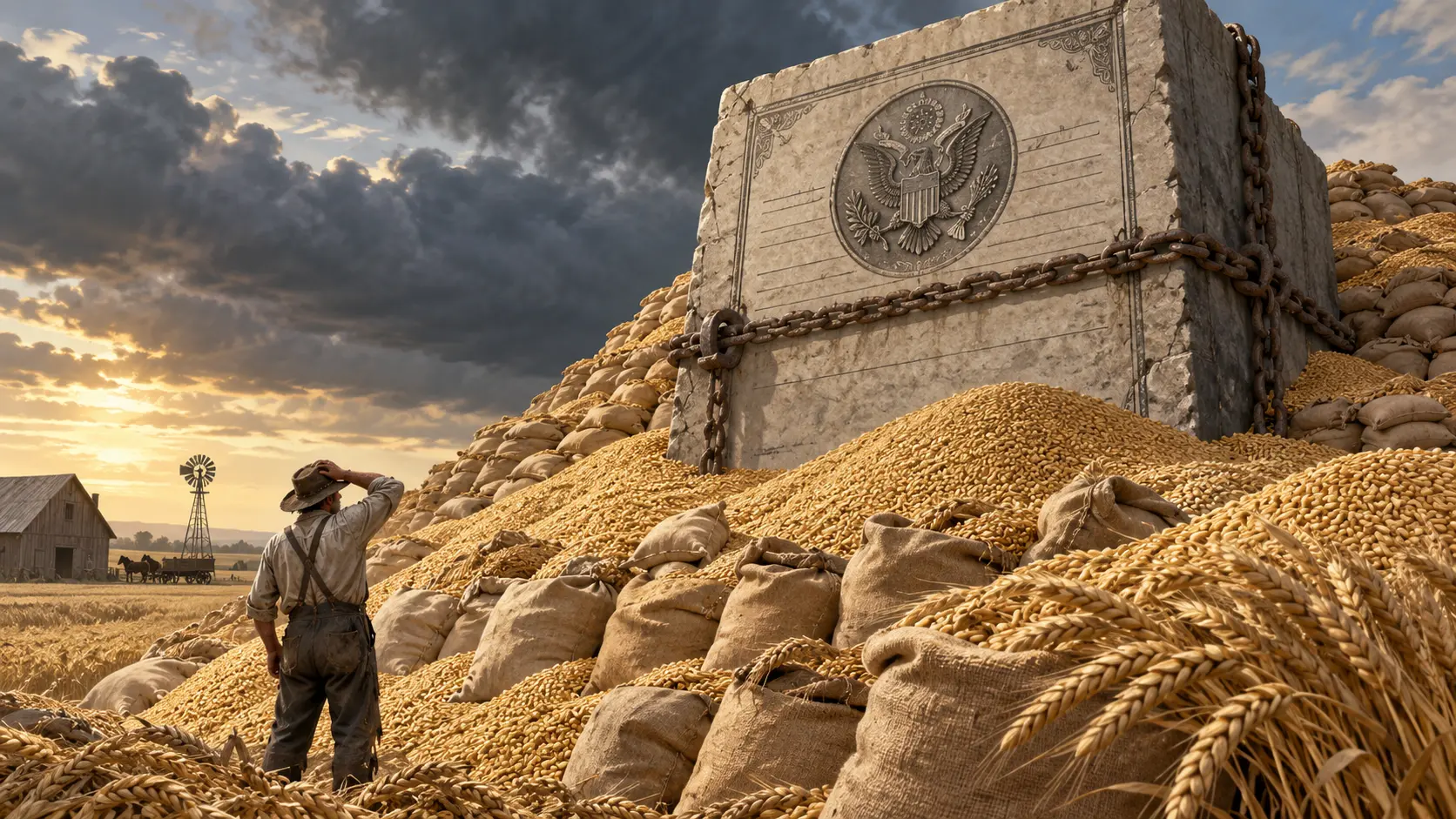
Generated interpretive StoryHub art of an 1890s farmer facing a fixed debt while crop value falls
us history 9· unit 02 / the gilded age· 1870s–1896ready to teach

the debt didn’t move

what happens when the price of what you sell falls while the number you owe refuses to change?

Wheat gets cheaper. The mortgage does not. A farm problem widens into rail regulation, cooperative organizing, the Colored Farmers’ Alliance, the Omaha Platform, free silver, and the strange 1896 bargain that helped swallow the party while leaving parts of its argument behind.

  • A wheat-price model that makes a fixed debt harder to pay as crop prices fall from 1891 to 1894.
  • A two-sided railroad-rate field that keeps higher western freight rates and lower traffic density visible at the same time.
  • The Colored Farmers’ Alliance as a main part of the agrarian story, including the collision between economic cooperation and racial power.
  • Seven teaching interactions, a note-repair ending, and a source panel that separates generated narrative art from historical evidence.
open the story →
  • populism
  • farm debt
  • railroad rates
  • free silver
  • farmers alliance
  • omaha platform
July 1947 Roswell Daily Record front page used as the entry image for the first-week evidence StoryHub
hidden history· unit 01 / the official story vs. the rumor· june–july 1947ready to teach

the week roswell became roswell

what can the first week of the roswell record actually establish?

Students stay inside the first-week evidence boundary: Kenneth Arnold, Brazel, the Army “flying disc” release, the same-day correction, the Fort Worth debris photographs, and the FBI teletype. The lesson separates what is confirmed, what is unproven, and what later retellings project backward into 1947.

  • A strict first-week timeline that keeps later body testimony out of the 1947 evidence set.
  • Creator, timing, access, and limit lenses for reading the front page and FBI teletype.
  • A false-dilemma test showing why weakening one explanation does not prove the largest alternative.
  • A final evidence audit: confirmed, unproven, misleading, followed by a student note-repair ending.
open the story →
  • roswell
  • 1947
  • flying disc
  • source limits
  • claim scope
  • evidence