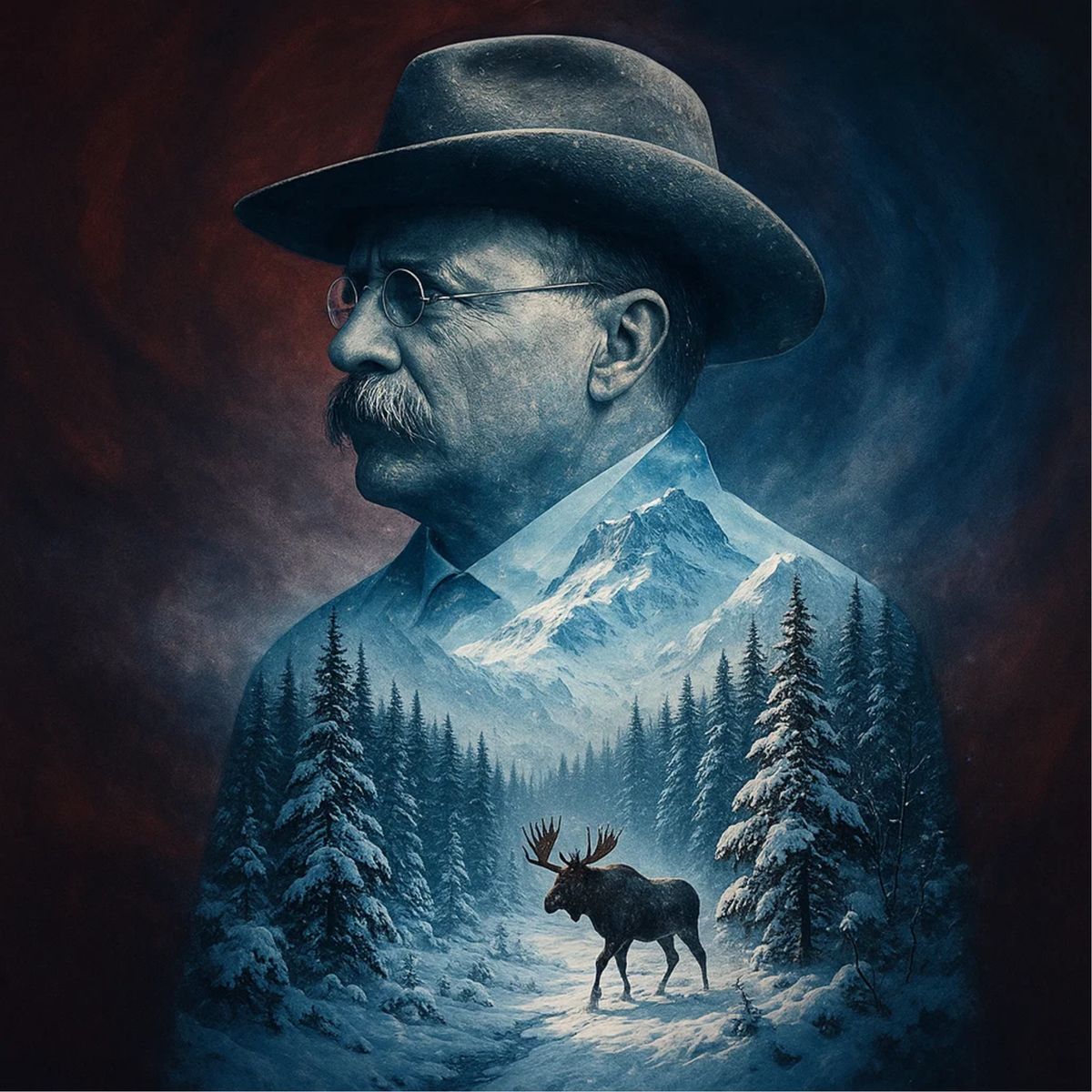
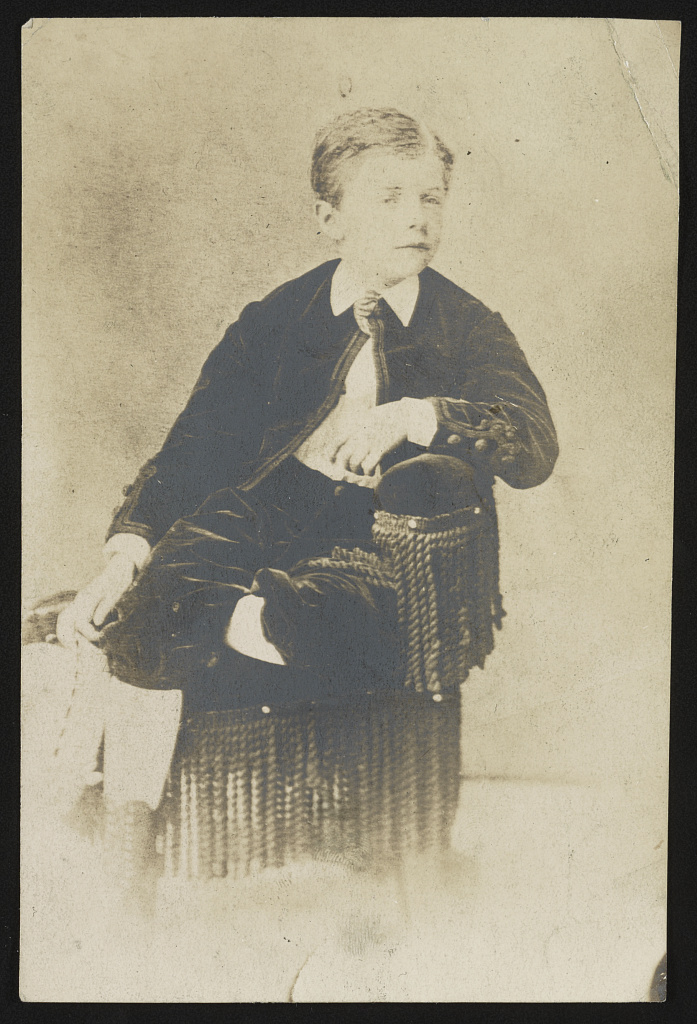
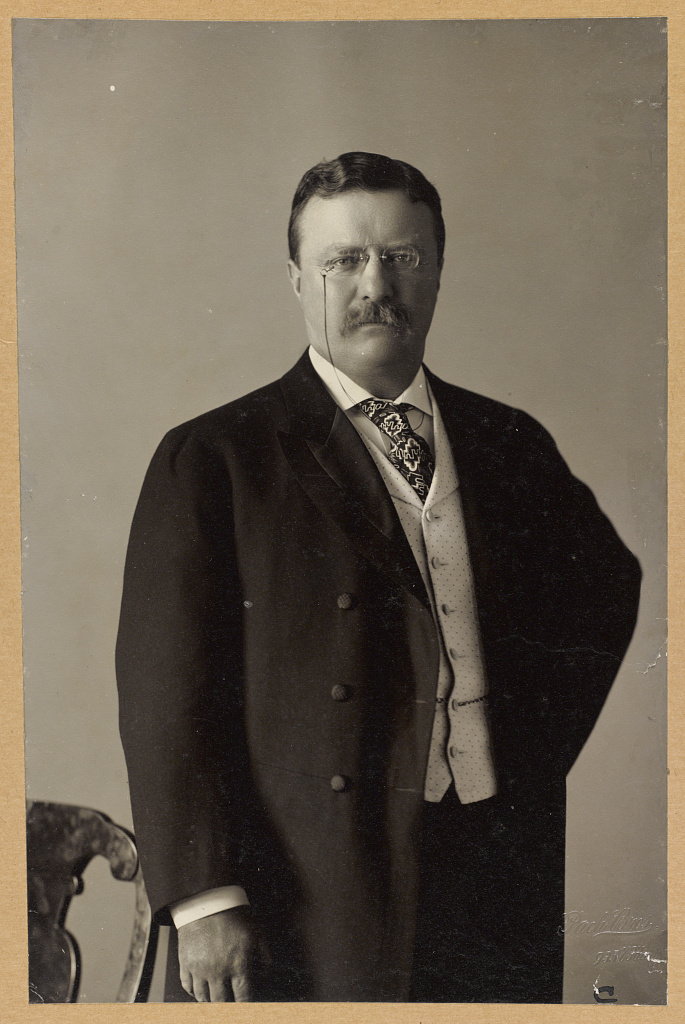
A thirty-second film begins in blackness. Theodore Roosevelt appears in genuine silent footage from 1912. A large title gives his name. After a cut to black, a childhood portrait appears with his words: “I was a sickly, delicate boy.” Theodore Roosevelt, An Autobiography, 1913. Music and a projector texture are editorial sound.
“I was a sickly, delicate boy”Theodore Roosevelt · 1913
Theodore Roosevelt had severe asthma. Some nights, he sat up gasping while his parents tried to help him. He grew up in a wealthy family, with support many sick children did not have. He later described feeling nervous, timid, and physically helpless.
“I decided that I would try to supply its place by training.”Theodore Roosevelt · 1913
After two boys bullied him, Roosevelt decided to learn boxing. He wanted to be able to defend himself. Improvement took years.
His own account suggests that fear of helplessness helped drive his training. Later, he kept choosing hard physical challenges. That connection is an interpretation of his words.
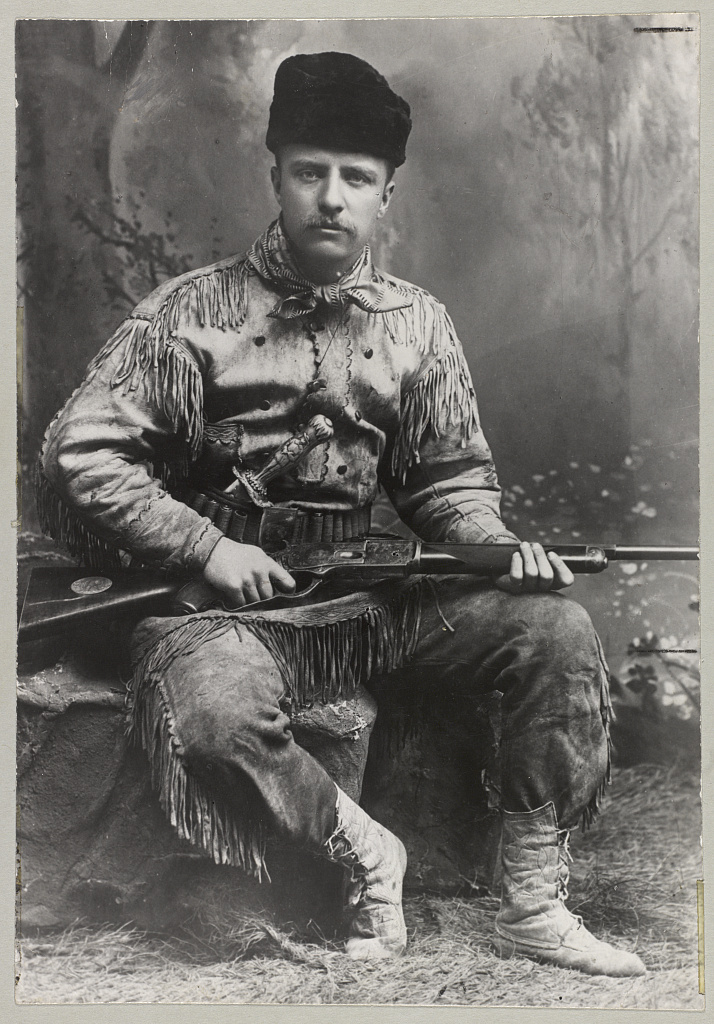
Roosevelt went to the Dakota Badlands to hunt and ranch. Outdoor work gave him another way to test himself.
His ranch business lost money, but the experience helped shape his public image and his concern for wildlife. The wealthy New Yorker wanted to prove he could handle a demanding life.
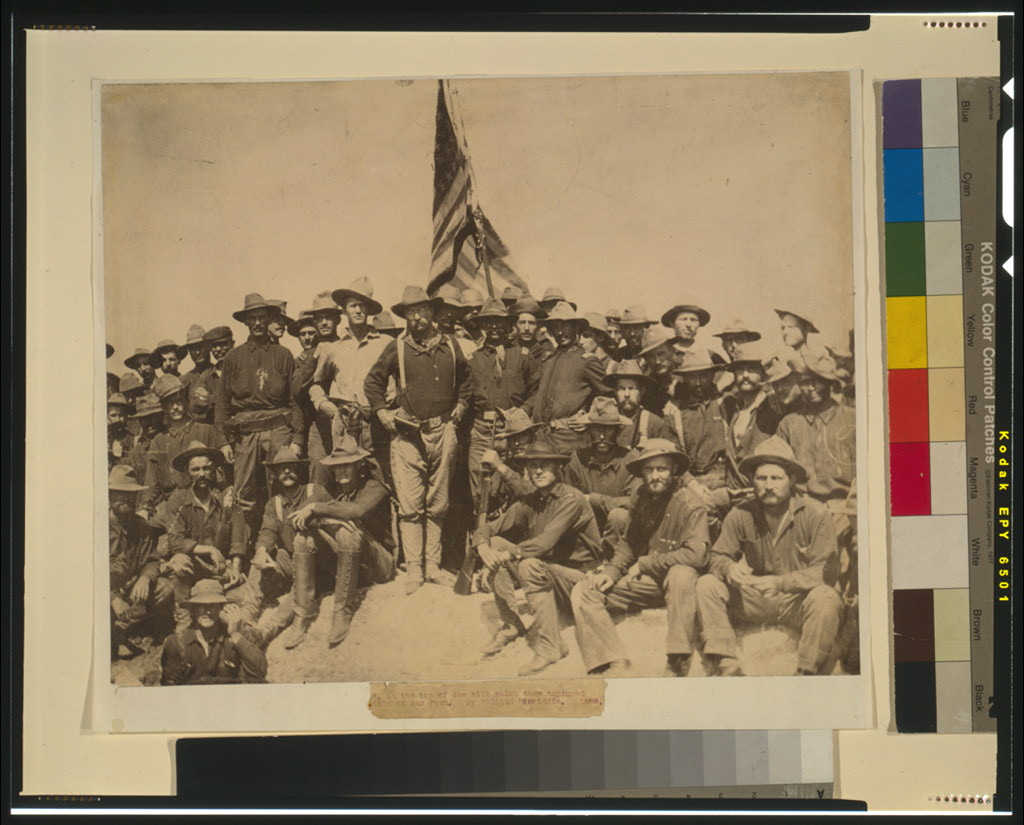
When the United States went to war with Spain, Roosevelt helped organize the 1st U.S. Volunteer Cavalry. The Rough Riders were a regiment, a military unit within a larger force.
Cowboys and college athletes served alongside Native American volunteers. Leonard Wood first commanded them. Roosevelt became their commander after Wood was promoted.
Cavalry usually fought or traveled on horseback. Transport ships had limited space, so most of the Rough Riders' horses stayed in Florida. The men fought in Cuba on foot.
Some officers brought horses. Roosevelt rode his horse Texas during part of the famous charge, then dismounted.
San Juan Heights · Schematic, not to scale. A victory involving several Army units.
Roosevelt's best-known charge first went up Kettle Hill, part of the San Juan Heights. The Rough Riders fought alongside regular Army units, including Black soldiers of the 9th and 10th Cavalry. The victory belonged to a larger force.
89KILLED OR WOUNDEDOf 490 men · Roosevelt’s account, 1899 Charging exposed men to danger. Men were also hit while waiting under fire. Those losses matter, but they do not prove that his charge caused avoidable deaths.
What evidence would help us decide whether the attack was necessary or reckless?
War helped make Roosevelt a national celebrity. In 1901, President William McKinley was assassinated, and Vice President Roosevelt took office. Roosevelt was 42.
He used presidential power to challenge a major railroad trust and regulate food and drugs. His drive now shaped decisions affecting millions of people.
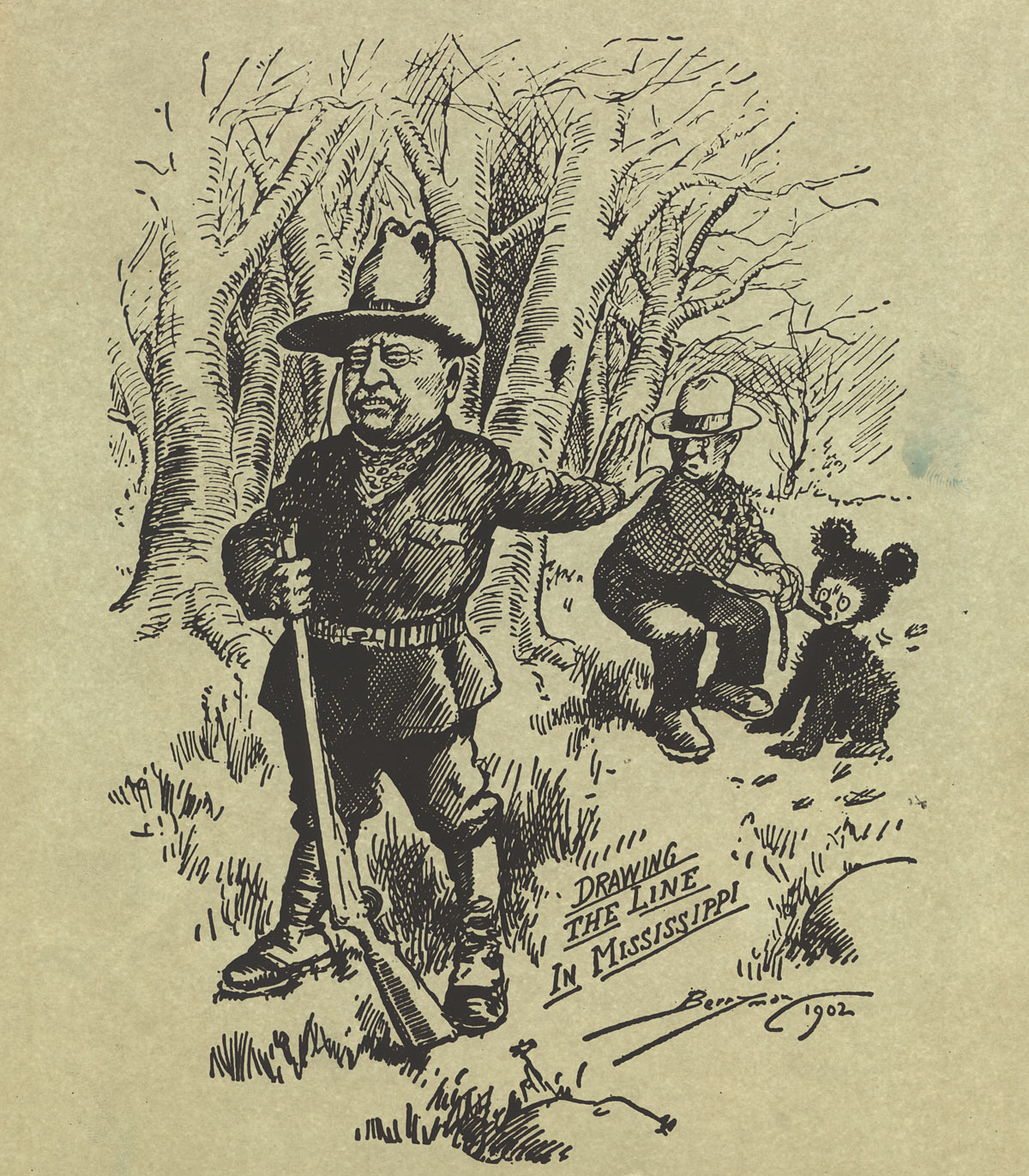
On a hunting trip led by Holt Collier, a Black guide who had been born enslaved, Roosevelt refused to shoot a bear that had been captured and tied up. He considered that unsporting. A cartoon turned the episode into a famous image. Morris and Rose Michtom made a toy called Teddy's Bear.
The bear in the hunt was an adult, not the cute cub of the popular story. Roosevelt also said the injured animal should be killed to end its suffering.
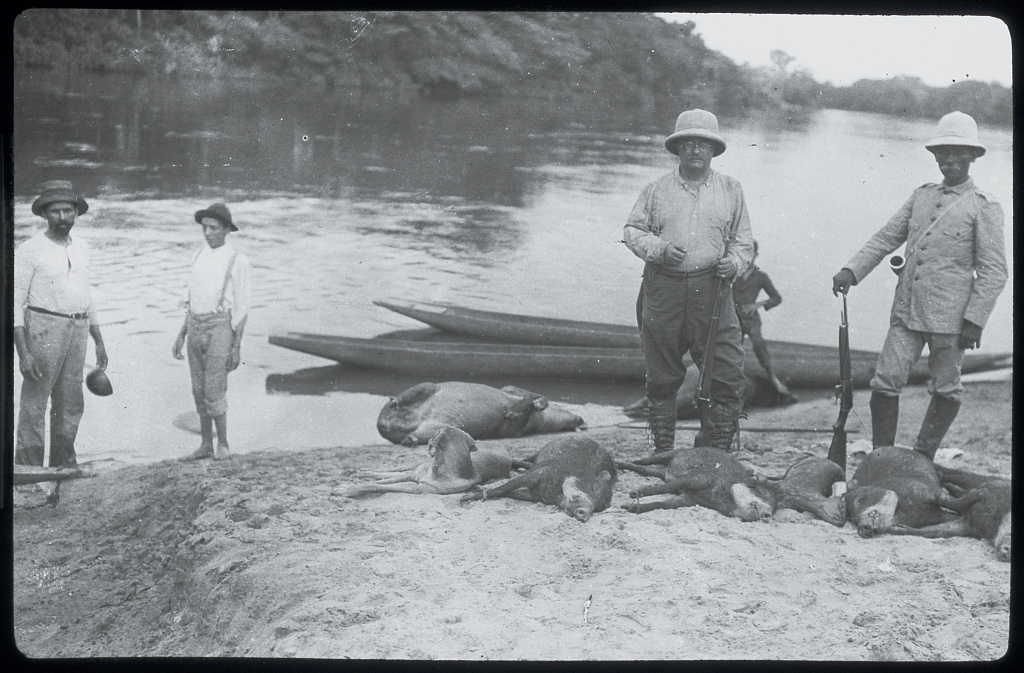
Years after leaving the White House, Roosevelt joined a scientific expedition in Brazil with his son Kermit. Brazilian explorer Candido Rondon co-led the expedition. Their team would map the River of Doubt, a river in the Amazon basin.
It was poorly mapped by outsiders, in a region inhabited by Indigenous peoples. Rapids damaged boats. Moving supplies around them took exhausting work.
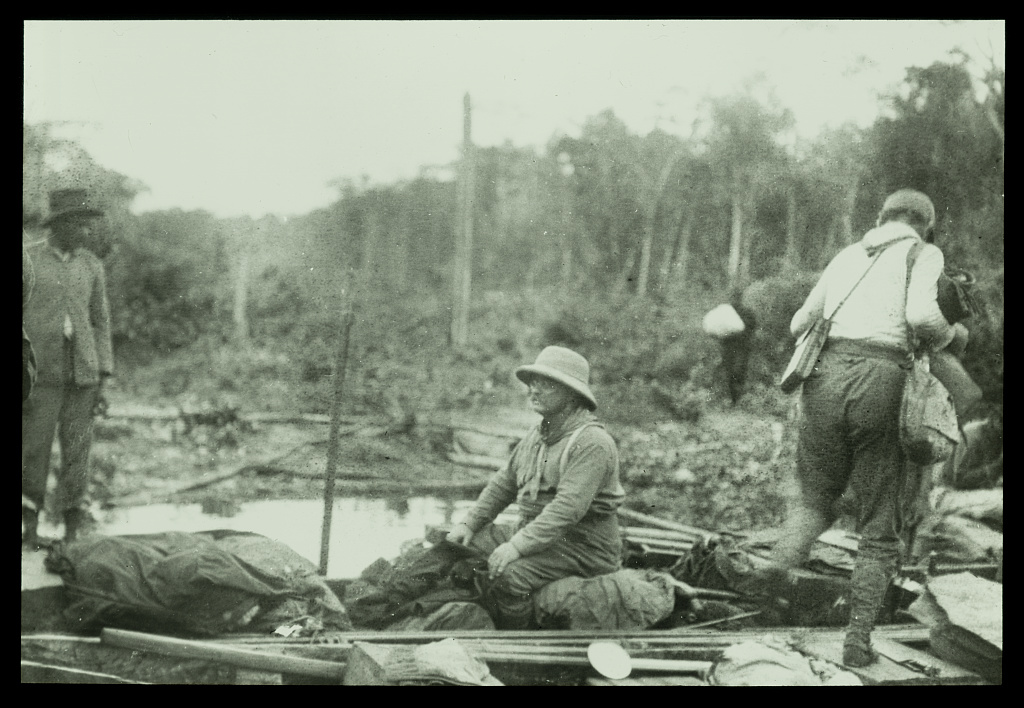
Roosevelt hurt his leg while helping with a canoe. The injury became infected, and he suffered fever. He could barely walk.
The expedition nearly killed him. He survived with the help of the doctor, Kermit, Rondon, and the rest of the team. Personal determination had reached its limit.
“I could hardly hobble, and was pretty well laid up.”Theodore Roosevelt · 1914
During his presidency, Roosevelt helped protect about 230 million acres of public land. His administration added five national parks and protected forests, wildlife reserves, and national monuments. Different protections served different purposes: national forests could allow managed use of resources.
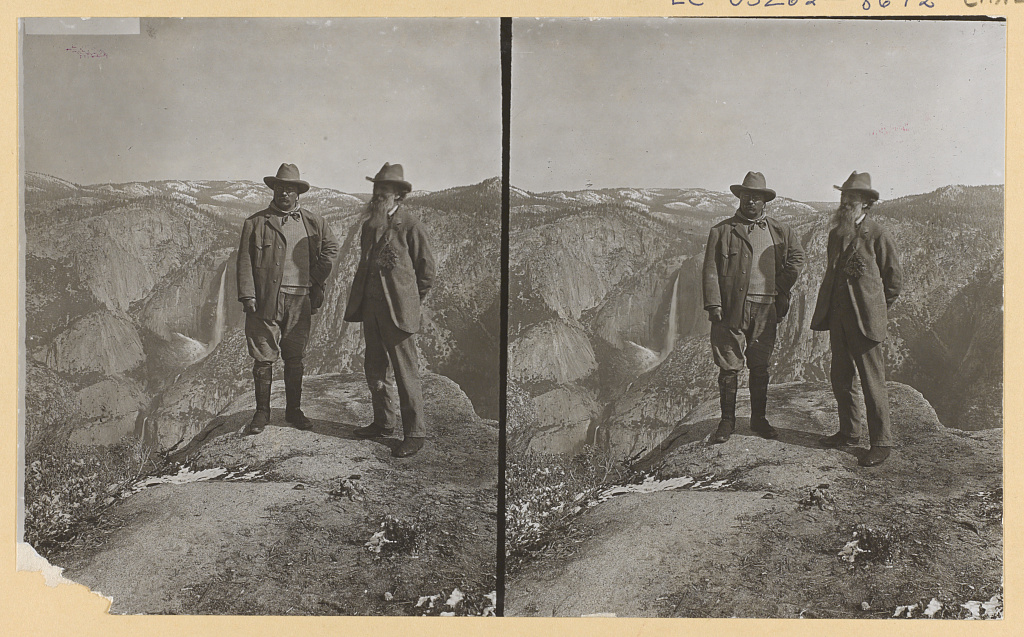
In 1908, he protected the Grand Canyon as a national monument. It became a national park in 1919. National parks already existed before Roosevelt, and the National Park Service was created in 1916, under Woodrow Wilson.
These places were also Indigenous homelands. Conservation belongs in a history that includes the people who already lived there.
“Leave it as it is. You cannot improve on it.”Theodore Roosevelt · 1903
5 National parksNational monumentsNational forestsWildlife reserves
Retrospective memoir, chapters I–II. Roosevelt connects physical helplessness with his decision to train. His memory and self-presentation do not explain every later choice.
Roosevelt, The Rough Riders (1899), chapters I and IV
Participant memoir, chapters I and IV. His tally is 89 killed or wounded out of 490. A National Archives study gives 15 killed and 73 wounded. Neither tally means 89 deaths, and neither proves all losses were avoidable.
Political cartoon, November 16, 1902. Evidence of the story’s public image, rather than a literal picture of the hunt. Berryman Family Papers, Archives of American Art, Smithsonian Institution.
Roosevelt, Through the Brazilian Wilderness (1914)
Participant account. Search the text for the canoe injury, fever, doctor, and abscess. The boat photograph supplies expedition context; it does not document his sickest moment.
Library of Congress, Prints and Photographs Division. Roosevelt seated in a deerskin hunting suit with a rifle, 1885. A posed portrait, not a photograph of ranch work in progress.
William Dinwiddie; Library of Congress. The soldiers are posed after the battle. This photograph does not show the charge itself. The display crops the scan’s outer border.
Attributed to Kermit Roosevelt; Library of Congress. Cataloged as 1913, with unverified original caption data. Expedition context, 1913–1914; this does not establish that the exposure was made during his illness.
Underwood & Underwood stereograph; Library of Congress. The exhibit displays the left view of the paired stereograph. Yosemite already existed as a national park.
Scenes of Theodore Roosevelt at Sagamore Hill, 1912
Pathé Frères; Library of Congress item mp76000076, cataloged by the Theodore Roosevelt Center. The exhibit uses source time 121–131 seconds: the end of a mail scene followed by Roosevelt walking with an axe. Resized to 960 × 720 while preserving the 4:3 frame. Original silent film; the soundscape and particles are editorial design.
National Park Service, public-domain helicopter B-roll. The exhibit uses the first 12 seconds of Aerial 1. This is a modern view, not historical footage. Its use does not imply NPS endorsement.
Thirty-second opening, 1920 × 1080 at 24 fps. Authentic Pathé Frères film of Roosevelt at Sagamore Hill, 1912: source 121–127 seconds, followed by a held frame at 127 seconds. The age-eight portrait is Library of Congress item 2013651366. The quote “I was a sickly, delicate boy” comes from An Autobiography (1913), chapter I, a retrospective memoir. Whole-image movement, title typography, cinders, the score, and a Runway-generated projector texture are editorial additions. The archival film was silent; the sound does not record Roosevelt or his surroundings.
'Katabasis I' by Scott Buckley - released under CC-BY 4.0. www.scottbuckley.com.au. Source 0:00–0:30, with fades, level adjustment, and synchronization to the opening. The composer’s original recording supplies the string orchestra; it is not generated music.