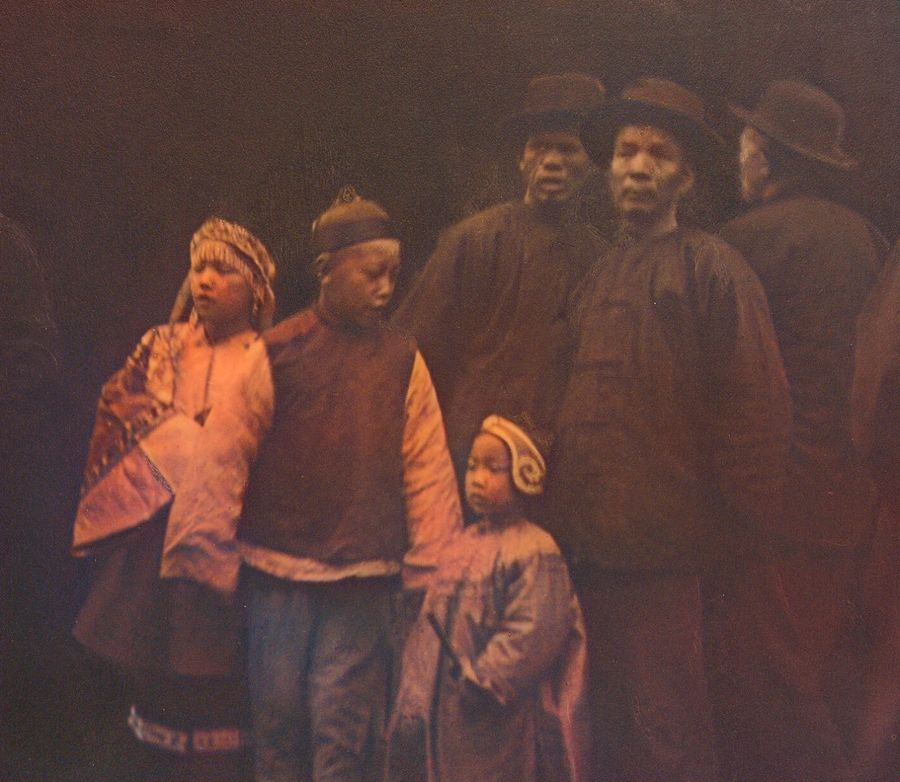
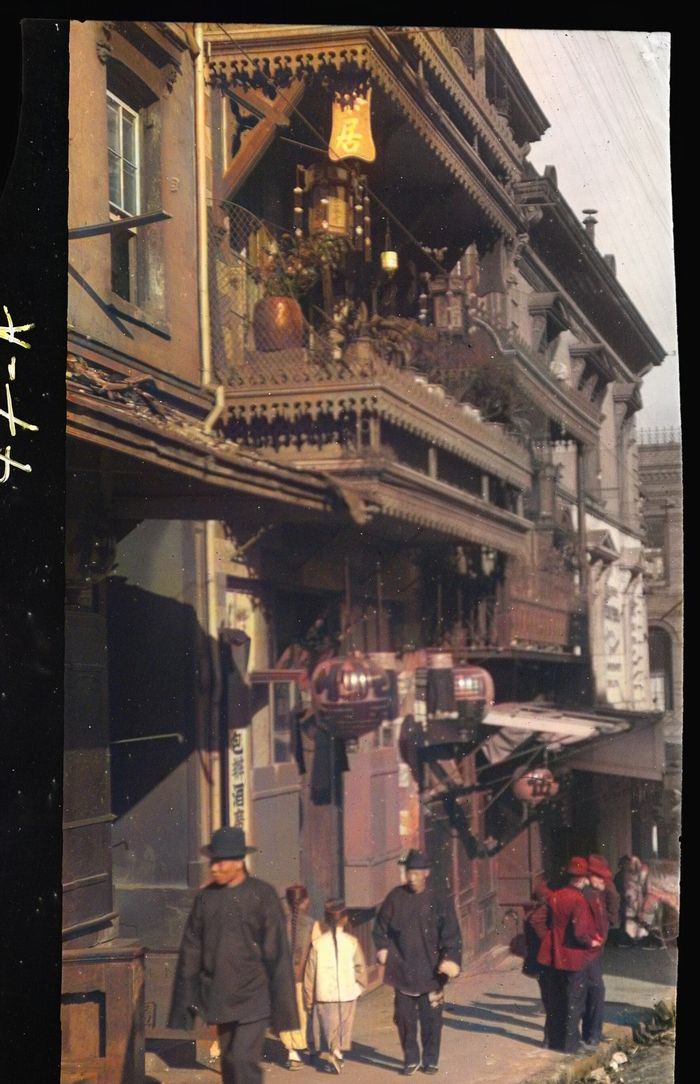
Go back to Source A in Part One. More than 11,000 Chinese men built the Central Pacific. The railroad was finished in May 1869, and almost all of them lost their jobs that same month. Many moved to San Francisco and other western towns and looked for any work they could find, in laundries, farms, fisheries and factories.
In 1873 the country fell into a long depression. Jobs disappeared. In California, many white workers blamed the Chinese, who often worked for less pay. In 1877 a San Francisco speaker named Denis Kearney drew huge crowds with a slogan he repeated at every rally: "The Chinese must go!"
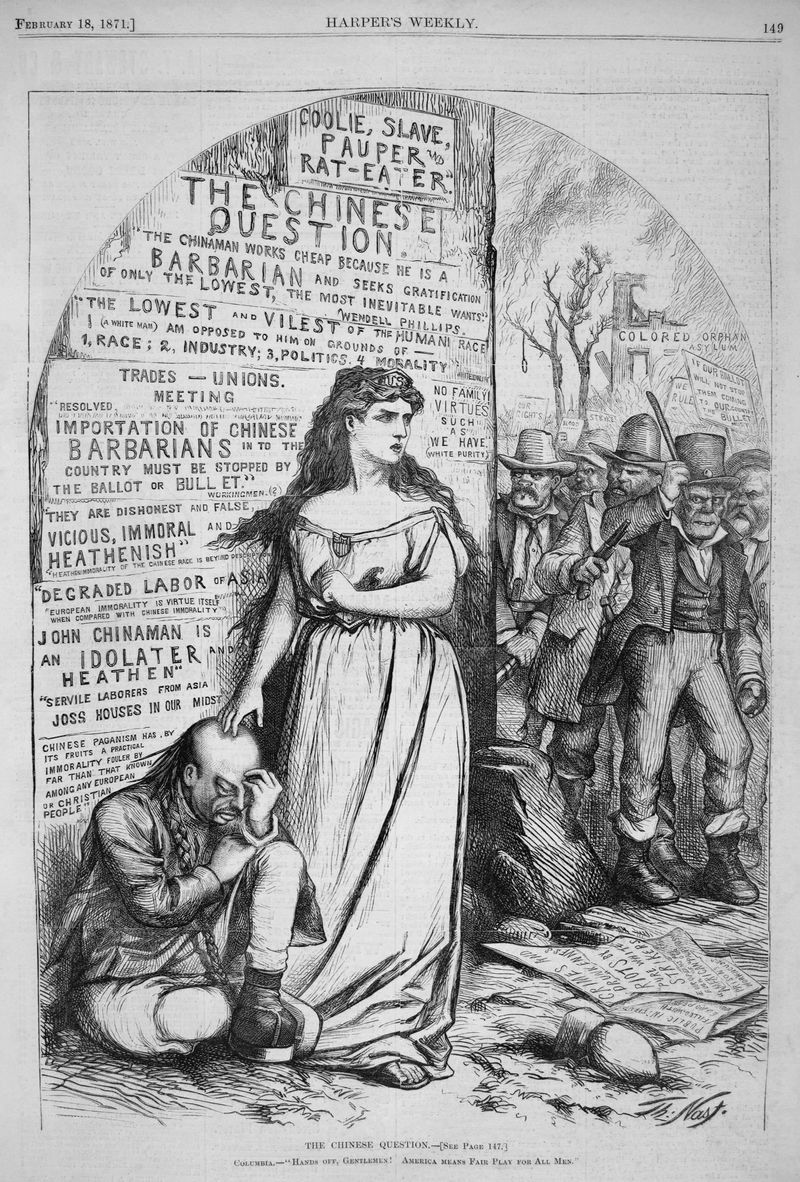
The 1880 census counted 105,465 Chinese people in the entire United States. That was about 2 out of every 1,000 Americans. Congress passed a law anyway, and on May 6, 1882, President Chester A. Arthur signed it. This was the first time the United States had ever banned people from coming here because of their nationality.
What the law said
Here is the actual wording of three parts of the law. Open each one to read what it means.
What it means
Chinese workers could no longer come to the United States. The ban was supposed to last ten years.
It did not end after ten years. Congress renewed it in 1892 and made it permanent in 1902.
What it means
Chinese immigrants who were already here could never become American citizens, no matter how long they lived here.
Without citizenship they could not vote, which meant they had no way to vote out the politicians who passed the law.
What it means
Almost every kind of Chinese worker counted as a laborer. The only groups still allowed in were small ones, like merchants, teachers, students, diplomats and travelers.
Proof on paper
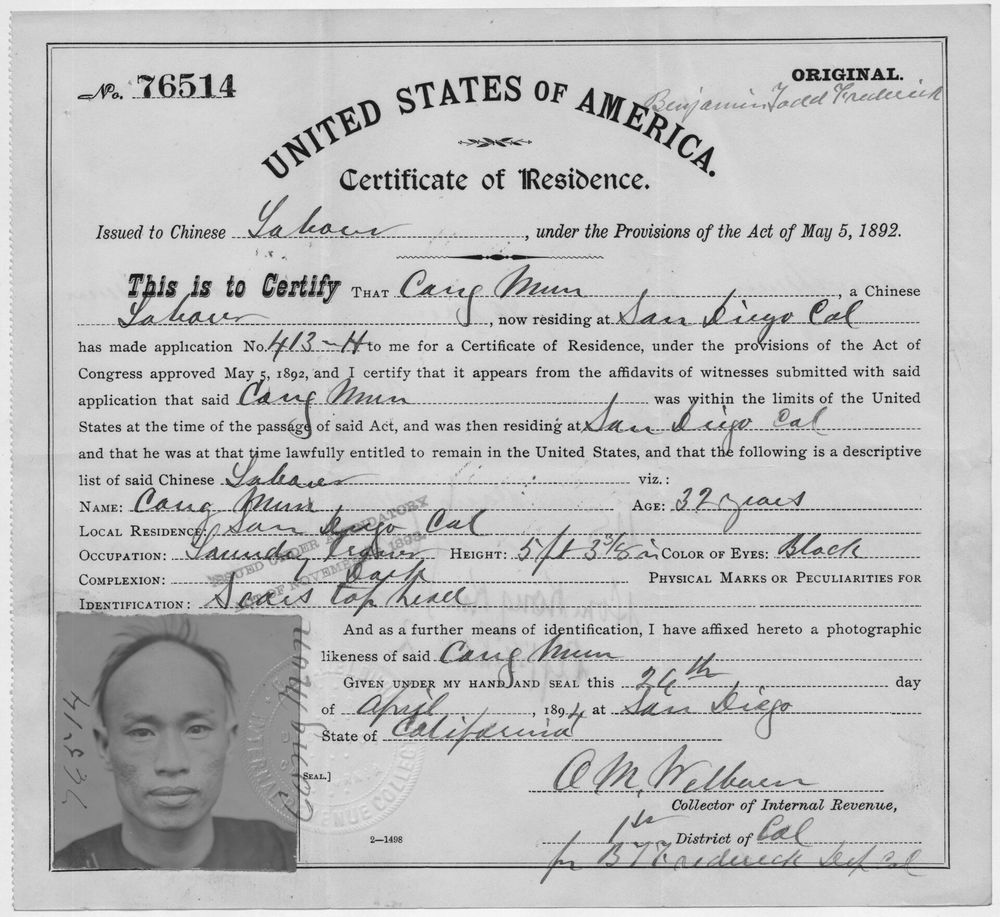
In 1892 the Geary Act went further. Every Chinese laborer living in the United States had to register with the government and carry a certificate of residence with his photograph on it. A man caught without one could be arrested and deported.
| Date | What happened |
|---|---|
| 1865 to 1869 | More than 11,000 Chinese men build the Central Pacific Railroad |
| 1877 | Denis Kearney's rallies in San Francisco: "The Chinese must go!" |
| May 6, 1882 | President Chester A. Arthur signs the Chinese Exclusion Act |
| Sept 2, 1885 | A mob of white miners in Rock Springs, Wyoming, kills 28 Chinese miners |
| Oct 28, 1886 | The Statue of Liberty is dedicated in New York Harbor |
| 1888 | The Scott Act strands about 20,000 Chinese residents who had left to visit China. They are not allowed back in |
| 1892 | The Geary Act renews the ban and requires certificates of residence |
| Mar 28, 1898 | The Supreme Court rules 6 to 2 that Wong Kim Ark, born in San Francisco to Chinese parents, is a U.S. citizen by birth |
| 1902 | Congress makes the ban permanent |
| Dec 17, 1943 | Congress repeals the law during World War II, when China is an American ally. Only 105 Chinese immigrants a year are allowed in |
In 1883, one year after the law passed, the poet Emma Lazarus wrote a poem to raise money for the pedestal of the Statue of Liberty. In 1903 its words were put on a bronze plaque inside that pedestal, the year after Congress made Chinese exclusion permanent.
Give me your tired, your poor,
Emma Lazarus, "The New Colossus," November 2, 1883
Your huddled masses yearning to breathe free